Organic Elderberries Bulk Buying Guide
Elderberries have a way of looking simple until you start buying them in volume. A dark dried berry is easy to romanticize, but once it enters real production, the questions become practical very quickly. Are the berries clean and evenly dried. How much stem material is mixed in. Do they hold good color. Do they brew with depth or mostly just stain the water. Are they suitable for tea, syrup, or broader botanical formulation. That is why a serious organic elderberries bulk search should begin with use case, not just price. For tea brands, syrup makers, formulators, wellness shops, and private label businesses, elderberries need to deliver more than visual appeal. They need to work.
A dependable organic elderberries bulk source should help you maintain consistency in flavor, handling, and presentation. Elderberries are valued because they bring a dark fruit identity, a rich natural color, and a long-standing place in traditional herbal practice. But they also require thoughtful sourcing because dried berries can vary widely in cleanliness, size, aroma, dryness, and overall usable quality. This guide explains how to evaluate dried organic elderberries, how to use them intelligently in teas and preparations, and what commercial buyers should look for before committing to larger quantities.
What Makes Organic Elderberries Bulk Worth Buying
The phrase organic elderberries bulk should mean more than a large bag of dark fruit. In practical terms, it should refer to elderberries that are cleanly dried, visually sound, easy to work with, and consistent enough to support real production. That includes color, aroma, berry integrity, and how well the fruit performs when steeped, simmered, or blended.
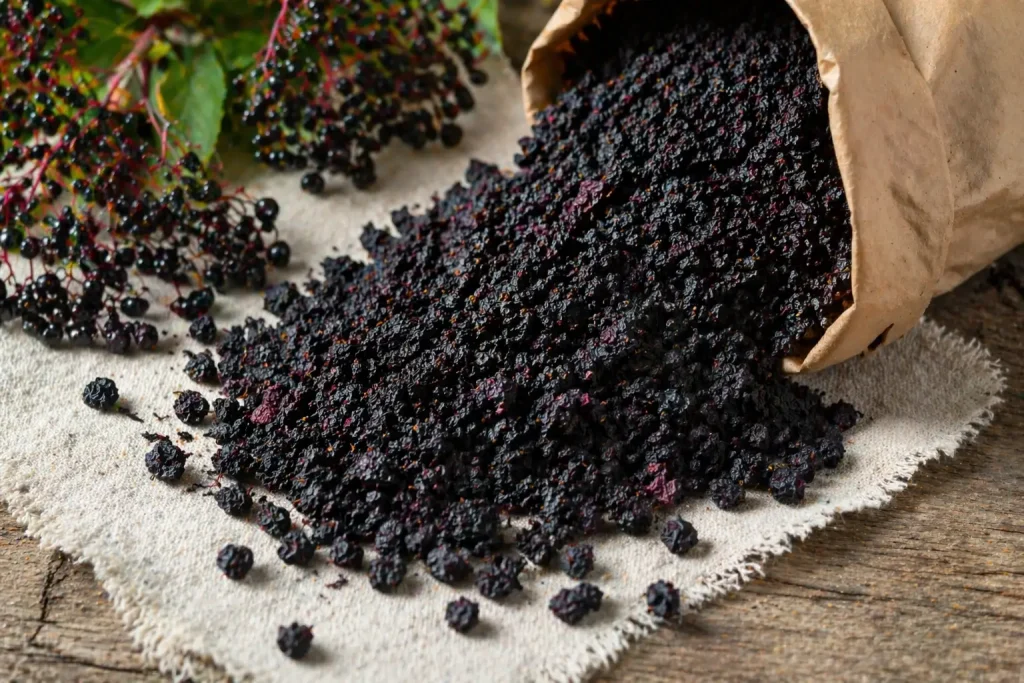
Good elderberries tend to look deep purple-black, feel dry without being dusty, and show a reasonably consistent size across the lot. They should smell fruity, wine-like, earthy, or richly dried, not flat or stale. If the lot is full of debris, excessive stems, or broken material, the value drops quickly for brands that care about presentation and clean handling.
This is why organic elderberries bulk sourcing should always start with the intended product. A tea blend needs different strengths than a syrup base. A visual retail mix may prioritize berry integrity. A beverage formulator may care more about extraction and depth. Once you know the application, the quality conversation becomes much more precise.
For tea makers and syrup developers, dried organic elderberries are usually the most practical entry point because they store well and offer flexible use across multiple formats.
How to Judge Quality Before You Buy
Commercial buyers should learn to evaluate elderberries by eye, nose, and brew test. Visual inspection comes first. Look for strong dark color, minimal dust, and a low amount of stem or foreign material. Excessive breakage is not always a dealbreaker, but it matters if the berries are meant to look attractive in loose retail packaging.
Aroma is one of the quickest clues. Good elderberries usually smell gently fruity, dark, and slightly earthy. Weak aroma can point to age or dull handling. The berries should not smell musty, sour in a spoiled way, or strangely empty. Texture matters too. They should feel dry and stable in storage, not sticky, damp, or soft.
The best way to confirm the lot is with a simple simmer test. Elderberries release best with more time than delicate herbs. If the color comes quickly and the aroma opens into a full dark-fruit profile, the lot is likely workable. If all you get is weak color and little body, the berries may not justify the price.
For layered fruit-forward tea concepts, hibiscus flowers can help reveal whether the elderberries have enough body to stand up in a stronger blend.
How to Use Organic Elderberries in Tea and Herbal Blends
Elderberries are often too dense and too dark to treat like a light floral infusion. They do better with a longer extraction, usually as a simmered tea or a covered steep after brief heating. This is one reason they are favored by tea makers who want body, color, and a deeper fruit impression rather than a delicate top note.
A practical tea ratio is:
- 4 to 6 grams dried elderberries per 12 ounces water
- About 1 to 1.5 tablespoons, depending on berry size
- Simmer gently for 10 to 15 minutes
- Cover and rest another 5 minutes before straining
For blend work, elderberries pair especially well with fruit pieces, warming spices, tart flowers, and select roots. They add depth to the middle of the cup and can help carry a more wintry or robust herbal profile. When blended intelligently, they make a tea feel fuller without requiring artificial flavor.
The smartest use of organic elderberries bulk in tea programs is often as a structural fruit rather than as a solo feature. They give a blend weight. The supporting ingredients shape the edges.
For rounder fruit character and a softer orchard bridge, dried apple pieces can complement elderberries very naturally in both hot tea and simmered blends.
Making Syrups, Decoctions, and Seasonal Preparations
Elderberries are especially well suited to simmered preparations. Their dark skin and dense texture respond well to gentle heat, which helps pull out color and body more effectively than a quick steep. This makes them popular in seasonal syrups, tea concentrates, and stronger herbal decoctions where fruit depth matters.
A useful small-batch syrup base might start with:
- 30 grams dried elderberries
- 2 cups water
- Simmer 20 to 30 minutes until reduced
- Strain well
- Sweeten only after evaluating the fruit strength
From a commercial perspective, this matters because the same organic elderberries bulk lot may behave differently in tea than in syrup. Some berries bloom beautifully in simmered formulas and only modestly in quick tea applications. That is why application testing matters before you scale.
This is also where supporting ingredients earn their place. Spice, peel, and floral notes can turn a dark fruit base into something far more layered and commercially distinctive.
For warmer seasonal blends and syrup-style concepts, cinnamon chips pair well with elderberries and help create a more rounded finish.
Organic Elderberries Bulk for Retail, Tea Brands, and Formulators
Different businesses should evaluate elderberries differently. A loose tea company may care about visual appearance in the dry blend. A syrup maker may care more about extraction strength. A private label brand may need a berry that works reliably across both storytelling and performance. A bath or botanical decor brand may prioritize appearance over steep quality. The point is that one “good” elderberry lot is not automatically right for every use.
This is why organic elderberries bulk sourcing should always be tied to product function. Buyers who skip that step often end up with a decent ingredient in the wrong format. If your brand leans rustic and fruit-heavy, visible whole berries matter more. If your product is a fine-cut tea sachet, berry breakage may matter less as long as extraction remains strong.
A useful supplier conversation includes handling, packaging, typical berry integrity, and what level of natural variation is normal. Strong suppliers understand these questions because they understand that dried fruit is not just decorative. It is a working ingredient.
For tea brands building darker fruit formulas, rose hips are useful for testing how elderberries behave alongside another structured fruit ingredient.
Troubleshooting
Flat flavor usually means the berries are old, the simmer time is too short, or the ratio is too low for the intended product. Elderberries usually need more extraction time than people first expect.
Too tart often happens when elderberries are paired with aggressive acidic ingredients and the blend loses balance. Pull back the sharper ingredients before increasing sweeteners.
Over-carbonation only becomes relevant when elderberries are used in fermented beverages, sodas, or other bottled systems. The fruit itself is not the only issue, but rich fruit bases can contribute to unstable outcomes if handled poorly.
Sediment may come from broken berries, rough milling, or incomplete straining in syrup or decoction work. Finer filtration usually fixes this.
Aroma loss is one of the clearest signs of age or weak storage. If the berries smell more dusty than fruity, the lot is fading.
For darker fruit tea systems where structure and tartness need balancing, orange peel c/s can help brighten the cup without overwhelming the elderberry base.
Storage + Quality
Dried elderberries should be stored airtight, cool, and away from direct light, heat, and humidity. They are more stable than many fresh ingredients, but they still lose value if repeatedly exposed to air or kept in a warm room. Good storage protects both aroma and appearance.
For production teams, smaller working containers help preserve master stock. Open one container for daily use and keep the rest sealed. That reduces exposure and protects the stronger part of the lot for future batching. Watch for clumping, fading, excess dust, and declining aroma over time.
A quality lot should continue to look dark and smell gently rich. If the berries begin to look dull or smell papery, the window of best use is narrowing. That matters whether your product is a tea, syrup, or broader botanical formula.
For stronger winter-style formulations, ginger root c/s is often useful with elderberries when you want warmth, depth, and a more active flavor profile.
Safety
Elderberries have a long place in traditional herbal use, but commercial language still needs to stay grounded. Dried elderberries can be described in terms of flavor, color, aroma, and traditional use in teas and simmered preparations. Finished products should avoid unsupported medical claims. That protects both compliance and credibility.
It is also wise to emphasize proper preparation. Dried berries are often used in simmered or fully prepared forms rather than simply eaten casually as raw garnish. Businesses should keep internal usage guidance clear, especially when writing product directions or training staff.
The best organic elderberries bulk purchase is not just the darkest-looking bag or the lowest quote. It is the lot that gives you clean fruit, strong extraction, reliable handling, and enough consistency that you can build products around it with confidence. When a supplier delivers that repeatedly, elderberries become what they should be in business: a rich, versatile botanical fruit that supports both tradition and practical product development.
FAQ
What does organic elderberries bulk mean?
It refers to purchasing dried elderberries in commercial quantities for tea, syrup, formulation, private label, or resale use.
How can I tell if dried elderberries are good quality?
Look for deep color, low debris, clean fruity aroma, good dryness, and strong performance in a simmer test.
Do elderberries work better in tea or syrup?
They can work in both, but many lots show their best depth in simmered preparations and syrup-style formulas.
How much elderberry should I use for tea?
A practical starting point is 4 to 6 grams per 12 ounces of water, gently simmered for 10 to 15 minutes.
Why do my elderberries taste weak?
The berries may be old, the ratio may be too low, or the extraction time may be too short.
How should I store dried elderberries?
Keep them airtight, cool, dry, and away from light and repeated air exposure.
Can broken elderberries still be useful?
Yes. They may still perform well in tea or syrup, though they may be less attractive in visual retail blends.
Why is organic elderberries bulk sourcing important?
Because berry quality, cleanliness, and consistency directly affect flavor, color, and overall product performance.