Ceylon Cinnamon Powder: How to Use It in Cooking and Baking
Ceylon cinnamon powder is the softer, more delicate side of cinnamon. Many home cooks only know the bold cassia found in most supermarkets. Ceylon, by contrast, tastes sweet, floral and gentle. This guide explains what makes it different and how to use it in your kitchen.
You will also find a simple baking recipe, smart substitution tips and storage advice. So whether you bake every weekend or just love a warm latte, you will get more from every spoonful.
What Is Ceylon Cinnamon Powder?
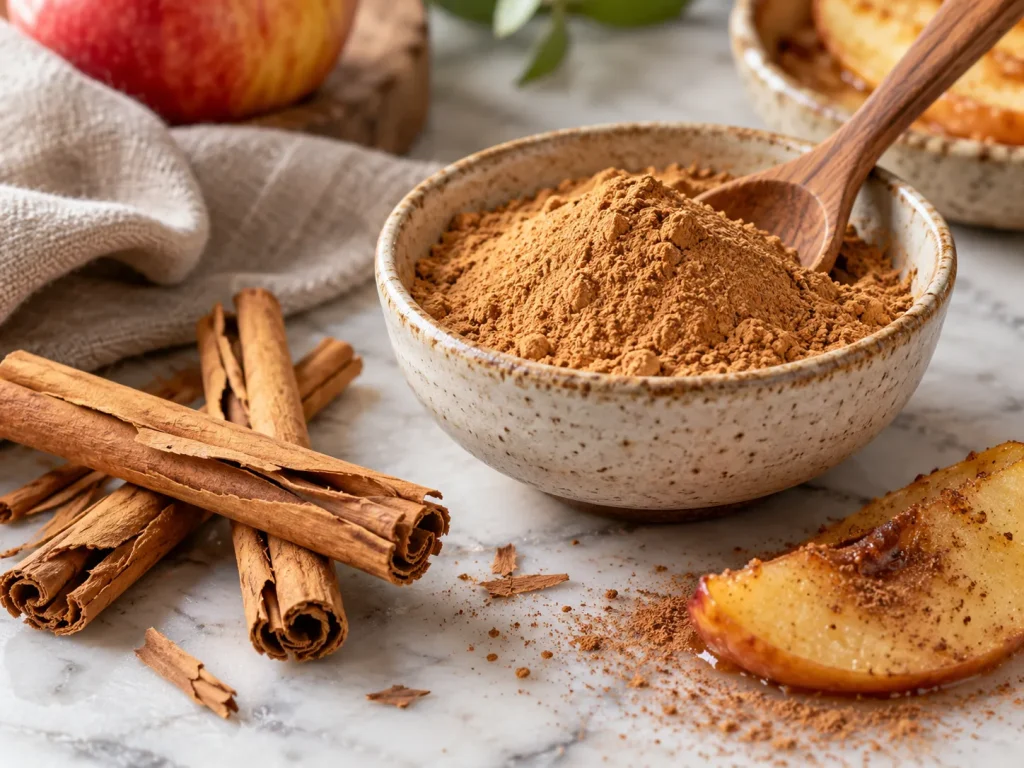
Ceylon cinnamon comes from the inner bark of Cinnamomum verum, a tree native to Sri Lanka. For this reason, people often call it true cinnamon. Workers peel thin layers of bark by hand, then roll them into soft, papery quills. When those quills are ground, the result is a fine, light brown powder.
Our organic true Ceylon cinnamon powder is ground from this bark. For tea and simmering, you can also use organic true Ceylon cinnamon, cut and sifted.
A Short History of True Cinnamon
Cinnamon is one of the oldest traded spices. Ancient Egyptians prized it, and Roman writers described it as worth more than silver. For centuries, Arab traders kept its source a secret. They even told stories of giant birds that built nests from cinnamon sticks.
Medieval European cooks loved it too. They added it to spiced wine, meat pies and rich sauces. In fact, owning cinnamon was a sign of wealth at the time.
In the 1500s, Portuguese traders reached Sri Lanka, then called Ceylon. Later, the Dutch and then the British controlled the trade. Meanwhile, skilled peelers on the island refined the craft of rolling thin quills. That tradition continues today. In fact, Sri Lanka still produces most of the world’s true cinnamon.
Ceylon Cinnamon Powder vs Cassia
Cassia comes from related trees, mainly Cinnamomum cassia. Its bark is thick and hard, and its flavor is strong and spicy. Ceylon is lighter in color and much milder in taste.
There is also a difference in coumarin, a natural compound. Cassia contains much more coumarin than Ceylon. Because of this, many people choose Ceylon when they use cinnamon every day. To learn more, read our comparison of cassia and Ceylon cinnamon or our guide on how to buy Ceylon cinnamon.
| Feature | Ceylon cinnamon | Cassia cinnamon |
|---|---|---|
| Botanical name | Cinnamomum verum | Cinnamomum cassia and related species |
| Main origin | Sri Lanka | China, Indonesia, Vietnam |
| Powder color | Light tan | Dark reddish brown |
| Flavor | Sweet, floral, citrusy | Bold, hot, spicy |
| Coumarin | Very low | Much higher |
| Best for | Custards, drinks, delicate bakes, daily use | Cinnamon rolls, hearty bakes |
What Does Ceylon Cinnamon Taste Like?
Ceylon tastes sweet and warm, with notes of citrus and flowers. It has very little bite. As a result, it blends into recipes instead of dominating them. That makes it ideal for delicate desserts, custards and drinks.
The aroma is also more layered. Some tasters notice hints of clove, honey and even light wood. So if cassia tastes like a red hot candy, Ceylon tastes more like a fragrant pastry shop.
Because the flavor is subtle, it pairs well with other gentle ingredients. For example, it shines next to vanilla, cardamom, nutmeg, orange zest and brown butter. It also complements fruit such as apples, pears, peaches and berries. On the other hand, very bold flavors like dark molasses can hide it. In those recipes, you may want a little extra.
Powder vs Sticks vs Cut Pieces
Ceylon cinnamon comes in several forms, and each one has a job. Here is a quick guide:
- Powder: Best for baking, batters, rubs and sprinkling over drinks. It blends in instantly.
- Sticks or quills: Best for mulled cider, rice pudding and slow simmered sauces. Remove them before serving.
- Cut and sifted pieces: Best for loose tea, chai and infusions. They strain out easily and release flavor steadily.
Many cooks keep both powder and cut pieces on hand. That way, they can bake and brew with the same true cinnamon flavor.
How to Use Ceylon Cinnamon Powder in Baking
Ceylon cinnamon powder works in any recipe that calls for ground cinnamon. However, since it is milder, you may want to use a little more. A good rule is to start with the same amount, then add up to 25 percent more to taste.
- Stir it into muffin, pancake and waffle batter.
- Mix it with sugar for cinnamon toast or snickerdoodles.
- Add it to apple pie, pear crisp or baked fruit.
- Combine it with organic vanilla bean powder for a rich, bakery-style aroma.
Also, add the spice to the dry ingredients and whisk well. This step spreads the flavor evenly and prevents small clumps. For whipped cream or frosting, sift it first.
Recipe: Ceylon Cinnamon Apple Crisp
This easy dessert lets the gentle spice shine. It serves six.
- Heat your oven to 350°F and butter an 8 by 8 inch baking dish.
- Slice 5 medium apples and toss them with 2 tablespoons of sugar, 1 tablespoon of lemon juice and 1 1/2 teaspoons of Ceylon cinnamon powder.
- Spread the apples evenly in the dish.
- In a bowl, mix 3/4 cup of oats, 1/2 cup of flour, 1/2 cup of brown sugar and 1 teaspoon of Ceylon cinnamon powder.
- Rub in 6 tablespoons of cold butter until the mixture looks crumbly.
- Scatter the topping over the apples.
- Bake for 40 to 45 minutes, until golden and bubbling.
- Cool for 10 minutes, then serve with yogurt or vanilla ice cream.
Common Baking Mistakes to Avoid
- Adding it to hot butter: Very hot fat can dull the delicate aroma. Instead, mix the spice with dry ingredients or warm, not sizzling, butter.
- Using too little: Recipes written for cassia may taste flat with Ceylon. So taste the batter and adjust.
- Using an old jar: Faded powder adds color but little flavor. Check the aroma before you bake.
- Dumping it in one spot: Powder can clump in wet batter. Whisk it into the flour first.
Not sure whether powder, sticks or cut pieces suit your recipes best? Take our quick Ceylon cinnamon form quiz.
Drinks and Savory Dishes
Ceylon Cinnamon in Drinks
Ground Ceylon dissolves more easily than cassia, so it is great in beverages. For example, sprinkle a pinch over coffee or hot cocoa. You can also whisk it into a turmeric latte along with organic turmeric powder. In addition, it adds warmth to smoothies, oat milk and golden milk. If you prefer a brewed cup, see our guide to Ceylon cinnamon tea.
A good starting amount is 1/4 teaspoon per mug. Then whisk it into a little warm milk first. That way, it blends smoothly instead of floating on top.
It also works well in breakfast dishes. For instance, stir a pinch into oatmeal, chia pudding or yogurt with honey. You can also add it to coffee grounds before brewing. As a result, the whole pot picks up a soft, sweet aroma without any sugar.
Savory Uses for Ceylon Cinnamon
Cinnamon is not just for sweets. In Sri Lanka, India, Mexico and the Middle East, it seasons many savory dishes. Try a pinch in curries, chili, tagines or rice dishes. It also pairs well with organic clove powder and black pepper powder in spice rubs for meat and roasted vegetables.
For a simple rub, mix 1 teaspoon of Ceylon cinnamon powder with 1/2 teaspoon each of black pepper and salt. Then add a pinch of clove. Rub it over chicken, pork or squash before roasting. Because Ceylon is mild, it adds warmth without tasting like dessert.
How to Choose and Store Ceylon Cinnamon
Look for a clear label that says Cinnamomum verum or true Ceylon cinnamon. The powder should look light tan and smell sweet and floral. If it looks dark red and smells sharp, it is probably cassia. Organic certification adds another layer of confidence.
Ground spices lose aroma faster than whole ones. Therefore, store the powder in an airtight jar, away from the stove and sunlight. For the best flavor, use it within 6 to 12 months. A quick sniff test helps: if the scent is faint, it is time to refresh your supply. Our dried herbs shelf life guide offers more storage tips.
Buying in larger amounts? Keep a small jar in the kitchen for daily use. Then store the rest in a sealed bag inside a dark cabinet. This habit limits air exposure, so the main supply stays fresh longer.
Cinnamon is a common culinary spice. However, if you are pregnant, nursing or taking medication, ask your healthcare provider before using large amounts every day.
Frequently Asked Questions About Ceylon Cinnamon
Can I substitute Ceylon cinnamon powder for regular cinnamon?
Yes. Use it in a one to one ratio, then add a little more if you want a stronger flavor. Ceylon is milder than cassia.
How can I tell if cinnamon powder is Ceylon?
Ceylon powder is usually lighter and more tan in color. It also smells sweeter and less spicy. The most reliable sign, however, is a clear label from a trusted supplier.
Is Ceylon cinnamon powder good for baking?
Yes. Its gentle, sweet flavor works especially well in custards, cakes, cookies and fruit desserts.
Why is Ceylon cinnamon more expensive than cassia?
Workers peel and roll the thin bark by hand, which takes skill and time. In addition, the trees grow in a smaller region. As a result, Ceylon costs more than mass produced cassia.
Can I grind Ceylon cinnamon sticks at home?
Yes. Ceylon quills are soft and brittle, so a spice grinder handles them easily. Grind small batches and use them within a few weeks.
Bring True Cinnamon Into Your Kitchen
Ceylon cinnamon powder adds soft, sweet warmth to cakes, drinks and savory dishes alike. Start by swapping it into your favorite recipes. Then try the apple crisp and a spiced latte.
Ready to taste the difference? Order our organic true Ceylon cinnamon powder and start baking today.