White Pepper Uses: When and Why
White pepper uses are more varied and nuanced than most home cooks realize. White pepper is the same fruit as black pepper — Piper nigrum — but processed differently to produce a cleaner, sharper, more intensely pungent spice with a distinct aromatic profile. Furthermore, understanding when white pepper outperforms black pepper can genuinely transform specific dishes in your cooking repertoire.
This guide explores white pepper uses across global cuisines, explains the key differences between white and black pepper, and provides practical guidance on when to choose one over the other. Additionally, you will find storage tips and answers to the most common questions cooks have about this underappreciated spice.
How White Pepper Is Made
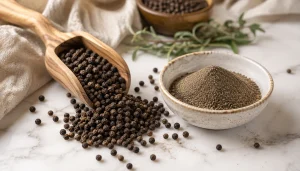
Both white and black pepper come from the berries of the Piper nigrum vine. The difference lies entirely in processing. Black pepper is made from unripe green berries that are dried whole, causing the outer skin to shrivel and darken. The dark, wrinkled exterior of a black peppercorn is the dried outer hull.
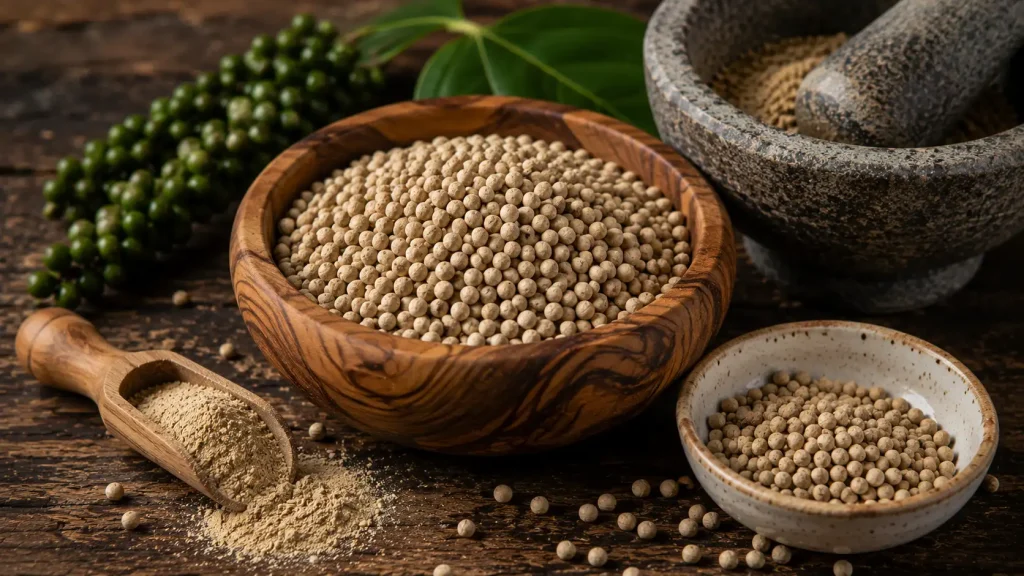
White pepper is made from fully ripe berries. The outer red or yellow hull is removed through a process called retting — the berries are soaked in water until the outer layer ferments and softens, then rubbed away. What remains is the inner seed, which is then dried to produce a smooth, pale, ivory-colored peppercorn.
This difference in processing has a direct effect on flavor. The outer hull of black pepper contains many of its distinctive aromatic compounds, including the terpenes that give black pepper its fruity, floral complexity. Removing this hull creates white pepper’s cleaner, sharper, more one-dimensional heat. As a result, white peppercorns taste notably different from black, not merely lighter in color.
White Pepper vs Black Pepper: Flavor Profile
Black pepper is aromatic, complex, and moderately hot with floral and fruity undertones. It is the spice you reach for when you want a rounded, layered pepper flavor. Moreover, its aroma is assertive and recognizable — the scent that makes you sneeze when you crack open a fresh grinder.
White pepper is sharper, more pungent, and more focused in its heat. It has a distinctly earthy, almost fermented quality from the retting process. In Chinese cooking, this fermented note is actually desirable and characteristic. The heat of white pepper hits differently too — more of a clean, direct burn than the lingering warmth of black pepper.
Black peppercorns remain the more versatile of the two for general cooking. However, white pepper fills specific roles where black pepper simply cannot deliver the same result. Understanding these roles is the key to getting the most from white pepper uses.
When to Use White Pepper Instead of Black
The most widely cited reason to use white pepper is aesthetics — specifically, in light-colored dishes where black pepper specks would be visually jarring. Classic French béchamel, cream sauces, white gravies, potato dishes, and pale soups traditionally use white pepper so the finished dish looks clean and unspeckled.
Beyond appearances, white pepper’s flavor profile genuinely suits certain dishes better. In Chinese and Southeast Asian cooking, white pepper is preferred in hot and sour soup, fried rice, and many stir-fry preparations. The earthy, fermented note from the retting process contributes a specific background character that black pepper does not replicate.
In Swedish and Scandinavian cooking, white pepper is the standard choice in meatballs, gravlax cure, and many traditional sauces. Similarly, in some French regional traditions, white pepper is used in charcuterie and pâté recipes. These established culinary conventions reflect a genuine flavor preference, not just a visual one.
White Pepper Uses in Asian Cooking
Chinese cuisine makes particularly strong use of white pepper. Wonton soup, egg drop soup, and hot and sour soup all call for white pepper rather than black. Its sharp heat cuts through rich broths in a way that complements the flavors without adding the aromatic complexity of black pepper.
In Vietnamese cooking, white pepper seasons pho and many traditional rice dishes. In Thai cooking, white peppercorns appear in traditional curry paste recipes alongside other aromatics. Furthermore, freshly ground white pepper over a finished bowl of noodles or rice is a common table condiment across much of East and Southeast Asia.
The key principle here is that white pepper uses in Asian cooking often call for more generous application than Western recipes suggest. A teaspoon of ground white pepper in a large pot of hot and sour soup is not unusual, whereas the same quantity in a European sauce would feel overwhelming.
White Pepper in French and European Cooking
Classic French mother sauces — béchamel, velouté, and cream sauce — traditionally call for white pepper. In these preparations, the white sauce’s visual purity matters as much as its flavor. White pepper delivers heat without introducing visible specks or the complex aromatic notes of black pepper that would compete with the sauce’s delicate character.
Potato dishes are another strong area for white pepper uses. Mashed potatoes, potato gratin, and potato soup all benefit from white pepper’s clean heat. The earthy note of white pepper actually harmonizes with the starchy earthiness of potatoes in a particularly complementary way.
Additionally, white pepper appears in European sausage and charcuterie traditions, particularly in German bratwurst and French saucisson. Its fermented, earthy note integrates well with cured meat flavor profiles.
How to Grind and Use White Pepper
White peppercorns can be ground in any standard pepper mill or spice grinder. Keep a separate grinder designated for white pepper if you use both types regularly. Mixing them in the same grinder muddles the flavor distinction you are trying to achieve.
Ground white pepper loses its flavor faster than whole peppercorns, just like any ground spice. For the best results, grind only what you need for a session. However, if convenience is a priority, ground pepper kept in an airtight container works well for everyday cooking.
Fresh-ground white pepper over a finished dish delivers a noticeably more aromatic and pungent effect than stale pre-ground powder. Consequently, investing in a small pepper mill for white peppercorns gives you significant flavor return for minimal effort.
Storing White Peppercorns
Store whole white peppercorns in an airtight container away from direct light and heat. Like all whole spices, they last significantly longer than ground powder — typically two to three years for whole peppercorns versus six to twelve months for ground. A cool, dark pantry or spice drawer is ideal.
White pepper has a stronger tendency to absorb surrounding odors than black pepper due to its exposed seed surface. Therefore, keep it sealed when not in use and away from strongly aromatic spices like cumin or star anise. You want its flavor to remain distinctly its own.
Important note: This article is for culinary education purposes. White pepper is a common food spice with a long history of safe use. Individuals with pepper allergy should exercise appropriate caution with all Piper nigrum products.
Frequently Asked Questions
Can I substitute white pepper for black pepper in any recipe?
Yes, in most recipes where pepper is a background seasoning. However, the flavor is noticeably different — sharper and earthier, with less aromatic complexity. In recipes where pepper plays a starring role (steak au poivre, for example), substituting white for black produces a distinct result. For subtle background seasoning, the substitution works well.
Why does white pepper have a slightly funky or earthy smell?
This comes from the retting process used to remove the outer hull. During soaking, the outer layer undergoes mild fermentation before it is removed. Residual fermented compounds contribute to white pepper’s characteristic earthy, slightly musty aroma. This is completely normal and is actually part of what makes white pepper distinctive in Asian cooking traditions.
Is white pepper hotter than black pepper?
White pepper is often described as having a sharper, more focused heat than black pepper. Both contain piperine as the primary heat compound, but white pepper’s heat tends to hit more directly and fade faster. Black pepper’s outer hull contributes additional aromatic compounds that moderate and extend the overall pepper sensation.
What dishes are the best showcase for white pepper uses?
Hot and sour soup, béchamel sauce, mashed potatoes, and Swedish meatballs are classic examples where white pepper is the clear choice. Additionally, try a pinch in cream-based pasta sauces, potato soup, and any dish where you want pepper heat without visible flecks or complex pepper aromatics.
Explore whole white peppercorns at Hatton Naturals and add a new dimension to your spice rack today.