Juniper Berries Uses: From Kitchen to Home Brewing
Juniper berries uses go far beyond gin. These small, dusty blue “berries” add a piney, citrusy flavor to meats, sauerkraut, teas and homemade drinks. Many cooks keep a jar in the spice cabinet for winter dishes. This guide covers the most popular ways to use juniper berries, how to brew them, how to choose and store them, and the mistakes to avoid.
What Are Juniper Berries?
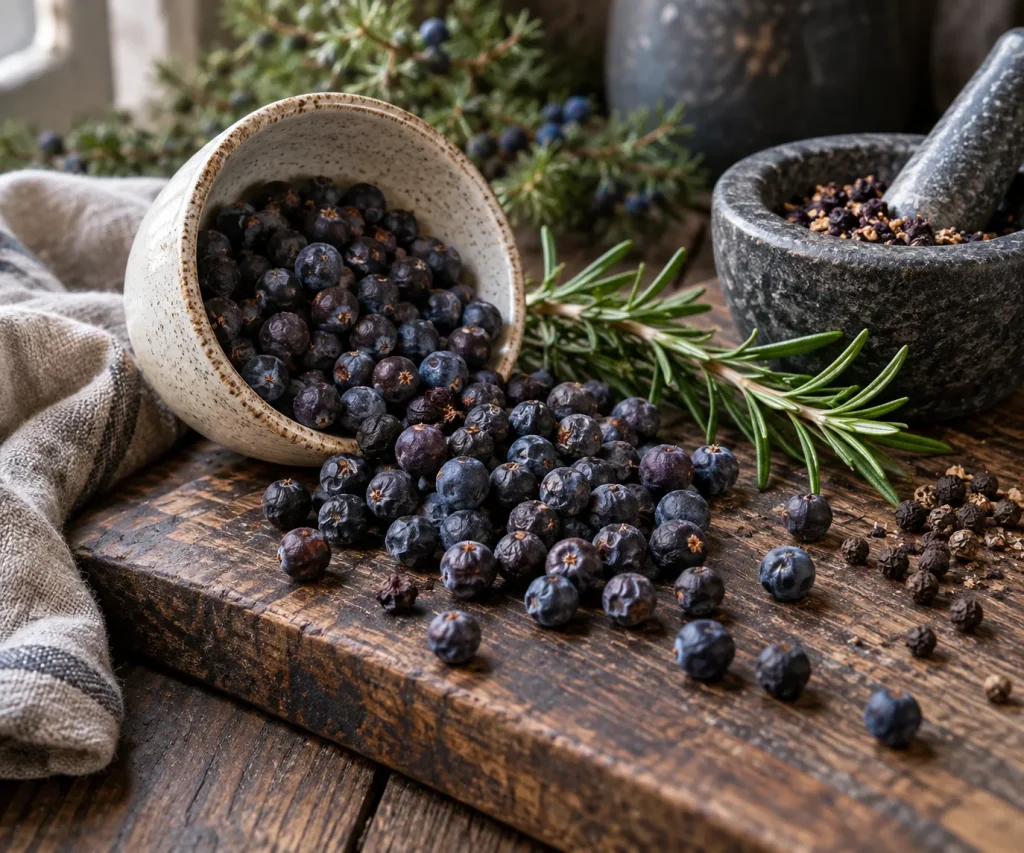
Juniper berries are not true berries. In fact, they are tiny seed cones from the common juniper shrub (Juniperus communis). The scales are fleshy and fused, so they look like berries. They start green and ripen to a deep blue purple over two to three years.
The flavor is fresh and piney, with hints of citrus, pepper and a light sweetness. Because a single shrub carries green and ripe cones at the same time, pickers harvest by hand. They usually shake the branches over a cloth and keep only the dark, ripe cones.
A Short History of Juniper
Juniper grows across the Northern Hemisphere, from Scandinavia to the Alps and North America. As a result, many cultures found their own ways to use it. Ancient Greeks and Romans burned juniper during ceremonies. Later, medieval Europeans hung branches over doors and burned the wood to freshen homes.
In the 1600s, Dutch distillers made a juniper spirit called genever. English soldiers brought it home, and it slowly became gin. Meanwhile, cooks in Germany, Poland and Scandinavia used the berries with game, cabbage and cured meats. That culinary tradition is still strong today.
Each region developed its own signature dishes. For example, Germans add juniper to sauerbraten and red cabbage. Poles use it in bigos, a hearty hunter’s stew. In Scandinavia, cooks rub it on reindeer and elk. Meanwhile, Native American communities used local juniper species as a seasoning for meat and in smoke ceremonies.
Culinary Juniper Berries Uses
Juniper berries are a classic ingredient in Northern and Central European cooking. Here are some of the best ways to use them:
- Game and red meat: crushed berries pair well with venison, duck, lamb and beef.
- Sauerkraut and cabbage: a few berries add depth to fermented cabbage and braised red cabbage.
- Brines and marinades: add them to pork or turkey brines with organic rosemary and black pepper.
- Stews: they work well in slow cooked dishes with thyme.
- Spice rubs: grind them with salt, garlic and pepper.
- Cured fish: add crushed berries to a salt and sugar cure for salmon gravlax.
- Pickles: drop two or three berries into each jar of pickled onions or beets.
Always crush the berries lightly before use. This step releases their aromatic oils. Also, use them sparingly, since 4 to 6 berries usually flavor a whole dish.
How Much Juniper to Use
Juniper is strong, so a small amount goes far. The table below gives simple starting points. First, try these amounts. Then adjust to your taste next time.
| Use | Amount | Tip |
|---|---|---|
| Stew or braise (4 servings) | 4 to 6 berries | Crush and add at the start |
| Sauerkraut (1 quart jar) | 1 teaspoon | Mix in with the salt |
| Turkey or pork brine (1 gallon) | 1 tablespoon | Simmer in the brine base |
| Spice rub (1/4 cup) | 1 teaspoon ground | Grind fresh in a mortar |
| Herbal tea (8 ounces) | 1 teaspoon | Crush right before steeping |
Flavors That Pair With Juniper
Juniper loves strong, earthy partners. In fact, it rarely appears alone in classic recipes. Try it with these ingredients:
- Herbs: rosemary, thyme, bay leaf and sage.
- Spices: black pepper, allspice, cloves and caraway.
- Fruit: orange, lemon, apple, prunes and cranberries.
- Aromatics: garlic, shallots and onions.
- Liquids: red wine, dark beer, apple cider and stock.
For example, a classic German braise combines juniper, bay leaf, cloves and red wine. Similarly, Alsatian choucroute pairs juniper with caraway, white wine and smoked pork.
Recipe: Juniper and Rosemary Spice Rub
This simple rub is a great first project. It works on pork chops, lamb, duck breast and roasted root vegetables. In addition, it keeps for a month in a sealed jar.
- Toast 1 tablespoon of juniper berries in a dry pan for 1 minute, until fragrant.
- Let them cool for a few minutes.
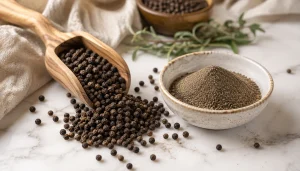
- Add the berries to a mortar with 1 teaspoon of black peppercorns.
- Crush them into a coarse powder.
- Mix in 1 tablespoon of dried rosemary and 1 teaspoon of dried thyme.
- Stir in 2 teaspoons of coarse salt and 1 teaspoon of garlic powder.
- Rub about 1 tablespoon onto each pound of meat, then rest it for 30 minutes before cooking.
Toasting deepens the flavor and softens the sharp pine note. However, keep the heat low, because burnt juniper tastes bitter.
Juniper Berry Tea
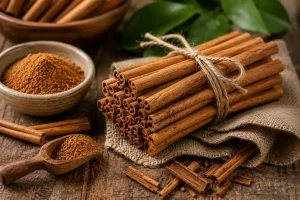
Juniper berries also make a fragrant herbal tea. Crush 1 teaspoon of organic juniper berries and steep them in 8 ounces of hot water for 10 minutes. The tea tastes piney and bright. For a softer cup, add orange peel or a piece of Ceylon cinnamon.
Use water just off the boil, around 200°F. Also, cover the cup while it steeps, so the aromatic oils stay in the tea. A little honey rounds out the resinous edge. For a winter blend, try juniper with orange peel, cinnamon and a slice of fresh ginger.
Not sure which spice should lead in your kitchen? Take our quick organic spice quiz to find your match.
Juniper Berries Uses in Home Brewing
Juniper is the defining botanical in gin. However, home brewers use it in many other drinks too. Traditional Nordic ales such as Finnish sahti use juniper branches and berries. You can also add a few crushed berries to homemade sodas and shrubs. In addition, juniper works well in kombucha second fermentation with citrus. Our kombucha flavoring guide lists other herbs to pair with it.
Simple Juniper Syrup for Drinks
A juniper syrup turns sparkling water into a crisp, gin like soda with no alcohol. First, simmer 1 cup of water, 1 cup of sugar and 2 tablespoons of crushed berries for 5 minutes. Then add a strip of orange peel and let it cool for one hour. Finally, strain it and keep it in the fridge for up to two weeks. Use about 1 ounce of syrup per glass of soda water.
For kombucha, add 3 to 5 crushed berries per 16 ounce bottle during the second ferment. Then let it sit for two to three days. Juniper pairs well with grapefruit, lemon and a little ginger.
Other Ways to Use Juniper Around the Home
Juniper is not only for food and drinks. Its clean, woodsy scent is also popular in simple home projects. For example, try a winter simmer pot. Add a handful of berries, a few orange slices, a cinnamon stick and some cloves to a pot of water. Then keep it on low heat and top up the water as needed.
You can also fill small cotton bags with juniper, dried rosemary and lavender. These sachets add a fresh scent to drawers and closets. In addition, a few berries tucked into a homemade potpourri bowl add color and a forest note. Refresh them every few weeks with a light crush.
Common Mistakes With Juniper
Juniper is easy to use once you know a few rules. Most problems come from using too much or using it the wrong way.
- Using too many berries: more is not better, since the dish can taste like a pine tree.
- Skipping the crush: whole berries release very little flavor in short cooking.
- Grinding too early: ground juniper loses its aroma in a few weeks.
- Leaving berries in the plate: they are hard to chew, so remove whole ones before serving or crush them finely.
- Burning them: toast gently, because scorched berries turn bitter.
Safety Notes
Culinary amounts of juniper are common in food. However, large or long term use is not recommended. Pregnant women and people with kidney conditions should avoid medicinal amounts. Also, only use berries from Juniperus communis, since some other juniper species are not edible. If you take medications or have a health condition, ask your healthcare provider before drinking juniper tea often.
How to Choose and Store Juniper Berries
Good juniper berries look deep blue to purple black. They often have a light, dusty bloom on the surface. When you squeeze one, it should feel slightly soft and smell strongly of pine. On the other hand, hard, brown berries with little aroma are old. Most juniper berries uses call for freshly crushed berries, so buy them whole rather than ground.
Store whole berries in an airtight jar away from heat and light. They keep their flavor for about one to two years. Crush them only right before use. For more tips, read our dried herbs shelf life guide.
Frequently Asked Questions About Juniper Berries Uses
What do juniper berries taste like?
They taste piney and resinous, with citrus and pepper notes. The flavor is similar to gin, because juniper gives gin its taste.
Can you eat juniper berries raw?
You can nibble one or two, but they are bitter and strong. They taste best crushed and cooked into food or steeped in tea.
What can I substitute for juniper berries?
A splash of gin works in sauces. Alternatively, use a mix of rosemary and a little black pepper.
Should I remove juniper berries before serving?
Yes, if you used them whole. Whole berries are tough to chew. Alternatively, crush them finely so they blend into the sauce.
Can I grow my own juniper for cooking?
You can, but make sure it is Juniperus communis. Many ornamental junipers are a different species and are not safe to eat.
Do juniper berries taste the same as gin?
Not exactly. Gin also contains coriander, citrus, angelica and other botanicals. So the berries alone taste more resinous and less rounded than a gin.
Start Cooking With Juniper
These juniper berries uses bring a forest fresh flavor to roasts, cabbage, brines, teas and homemade drinks. Start with a few berries, crush them well and build from there. Then explore more blends with rosemary, thyme and citrus. Order a bag of organic juniper berries today and give your winter cooking a new layer of flavor.