Black Pepper Powder Uses in Cooking
Black pepper powder uses extend far beyond a simple shake over scrambled eggs. It is one of the most traded spices in history, and for good reason — its sharp, pungent heat and aromatic complexity make it indispensable across virtually every cuisine on earth. Understanding how to use it well transforms everyday cooking.
Understanding Black Pepper Powder
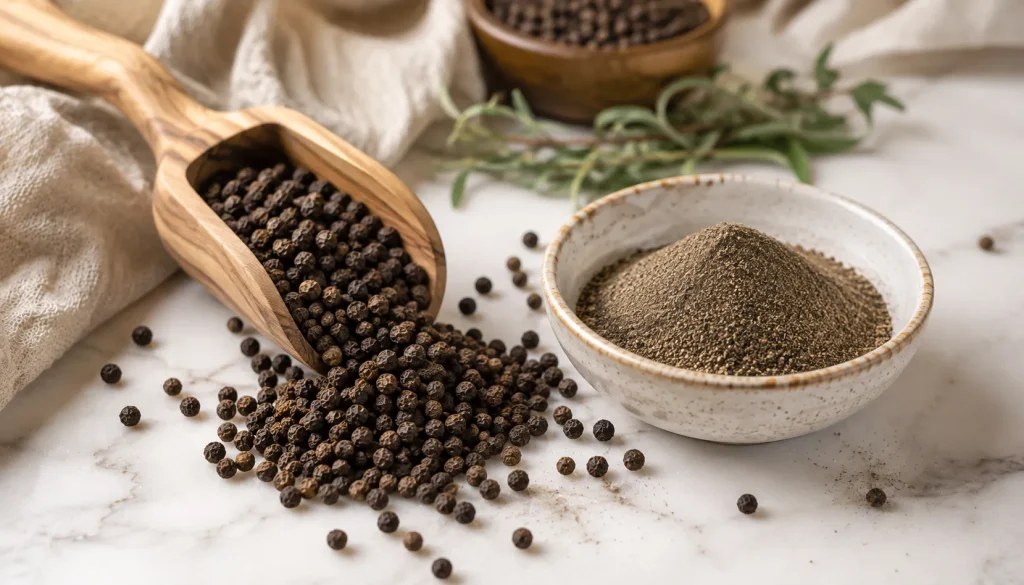
Black pepper comes from the dried berries of Piper nigrum, a climbing vine native to South India. Black pepper is made from berries harvested just before full ripeness, then dried until the outer skin darkens and wrinkles. Grinding produces the familiar powder used in kitchens worldwide.
The heat in black pepper comes primarily from piperine, a compound concentrated in the outer skin of the berry. Additionally, black pepper contains volatile aromatic compounds — terpenes and sesquiterpenes — that give it its distinctive pungent, woody, and slightly floral character. These aromatics are most potent when the pepper is freshly ground.
Our black pepper powder is made from organically grown peppercorns, ground to a consistent fine texture suitable for seasoning, spice blends, and culinary production.
Black Pepper Powder Uses in Everyday Cooking
The most familiar black pepper powder uses are in seasoning. It is a universal finishing spice — a pinch over pasta, grilled meat, roasted vegetables, or soups immediately brightens and deepens flavor. However, black pepper does more than add heat.
In marinades and dry rubs, black pepper penetrates protein fibers and contributes to the crust that forms during high-heat cooking. A classic steak rub of salt, black pepper, and garlic powder relies on the pepper for its assertive bite and aromatic char. Similarly, barbecue rubs, jerk seasoning blends, and blackening spices all feature black pepper as a primary component.
Furthermore, black pepper is essential in brines and pickling liquids. Its aromatics infuse throughout the liquid and into vegetables or proteins over time. Peppercorns — whether whole or cracked — appear in almost every classic brine, court bouillon, and pickling mixture.
Pairing Black Pepper with Other Spices
Black pepper is a team player. It enhances the flavor of other spices and brings them into sharper relief. In many spice blends, it serves as a backbone — providing heat and depth that allows sweeter or more aromatic spices to shine.
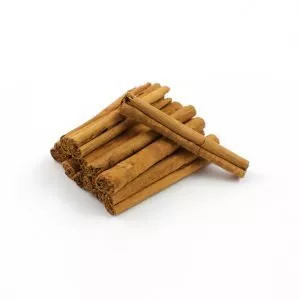
Classic pairings include black pepper with coriander (in sausage seasoning and charcuterie), with cumin and turmeric (in South Asian curries), and with cardamom and cinnamon (in chai and Middle Eastern spice blends). Moreover, black pepper pairs well with citrus — lemon pepper seasoning is a popular blend that pairs the spice’s heat with bright citrus zest.
In desserts, a small amount of black pepper enhances the complexity of chocolate, caramel, and stone fruit. Strawberries with fresh cracked pepper is a classic French preparation that showcases the spice’s ability to heighten sweetness without adding its own sweetness.
Choosing the Right Grind
Black pepper powder covers a range of grind sizes. Fine powder dissolves seamlessly into sauces, soups, and dressings. It is the most common grind for general cooking and production use. Medium grind — sometimes called cracked pepper — adds visible texture and more bite in finished dishes. Coarse grind or cracked pepper is preferred for crusting proteins before searing or grilling.
Our black pepper TBC offers a coarser, table-grind consistency that works well in blends and applications requiring visible pepper flakes. For cooking where you want to grind your own at the moment of use, our whole black peppercorns deliver the freshest possible flavor when ground directly into dishes.
As a result, having both powder and whole peppercorns in the kitchen gives you flexibility across the full range of cooking applications.
Black Pepper in Global Cuisines
Every major culinary tradition uses black pepper powder in some form. In Indian cooking, it is one of the original hot spices — pre-dating chili peppers in the subcontinent’s culinary history. It appears in garam masala, rasam, and Kerala-style curries where whole peppercorns provide both heat and aroma.
In French cooking, black pepper is essential in sauce au poivre, the iconic cream and cognac pepper sauce. It appears in classic herbes de Provence blends and is a cornerstone of French charcuterie traditions. Consequently, its presence in French cooking has influenced chefs worldwide who trained in the French tradition.
In Southeast Asian cuisines, white pepper (the same berry without the outer skin) is often preferred for its earthier, more fermented character. However, black pepper appears in Thai and Vietnamese preparations where a more assertive, aromatic pepper note is desired.
Buying and Storing Black Pepper Powder
Freshness is the most important factor when buying black pepper powder. The volatile aromatics that give it complexity evaporate over time, especially once ground. Buy from suppliers who can provide information on harvest date and processing — this matters more for powder than for whole peppercorns, which retain their volatiles until cracked.
Store black pepper powder in an airtight container away from heat and light. A dark pantry cabinet away from the stove is ideal. Under proper conditions, fine black pepper powder remains flavorful for 1–2 years, though the aroma is at its best within the first 12 months of grinding.
For high-volume users — commercial kitchens, spice blenders, and food manufacturers — buying bulk black pepper powder from a certified organic supplier reduces cost while maintaining quality.
Safety Note
Black pepper is safe for culinary use in standard cooking quantities. Very large amounts can irritate the digestive tract in sensitive individuals. People taking certain medications — particularly piperine is known to affect the absorption of some drugs — should consult a healthcare provider if consuming large, concentrated amounts. This is not a concern for normal culinary use.
Frequently Asked Questions
What is the difference between black pepper powder and white pepper?
Both come from the same plant, but white pepper is made from fully ripe berries with the outer skin removed before drying. White pepper is slightly earthier and more pungent, with less of the aromatic complexity of black pepper. Black pepper powder has a broader, more complex flavor profile. White pepper is often preferred in light-colored sauces where black specks would be visually distracting.
Does black pepper powder lose heat when cooked?
Yes, some of the more volatile aromatic compounds evaporate with prolonged heat exposure. Piperine — the compound responsible for heat — is more heat-stable, so the hot sensation often persists even after long cooking. For maximum aroma, add a portion of the black pepper near the end of cooking. Many recipes call for pepper both during and after cooking for this reason.
How do I know if black pepper powder has gone stale?
Fresh black pepper powder smells sharp, pungent, and aromatic. Stale powder loses its complexity and smells flat, dusty, or barely perceptible. Rub a small amount between your fingers — if the aroma does not bloom immediately, the pepper has likely lost most of its volatile compounds. It is still safe to use but will contribute little flavor.
Can I grind my own black pepper powder from whole peppercorns?
Absolutely — and it produces significantly more flavorful results. A burr grinder or spice mill produces consistent fine powder. Grind in small batches to use within a few weeks. Whole peppercorns seal in the volatile aromatics until grinding, giving you far more fragrant, complex pepper than pre-ground options that may have been sitting in packaging for months.
Stock your kitchen with quality pepper. Shop black pepper powder, black pepper TBC, and whole black peppercorns — available in bulk for home cooks, restaurants, and spice producers.