How to Make Hibiscus Tea: A Simple Hot Brew Guide
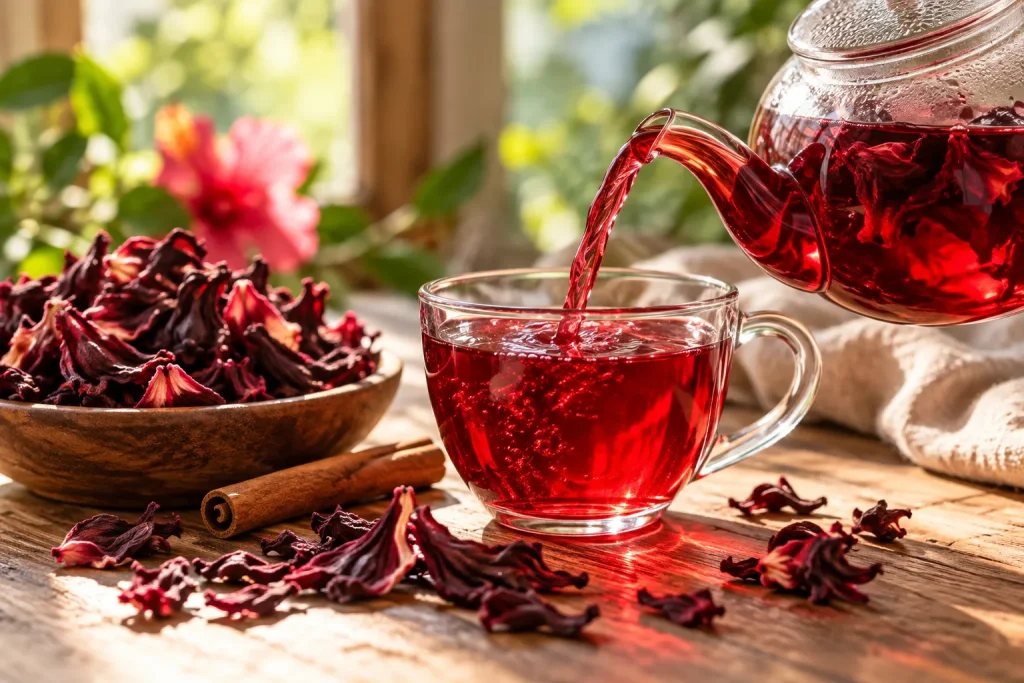
Learning how to make hibiscus tea takes just a few minutes. Dried hibiscus flowers brew into a ruby red cup with a tart, cranberry like flavor. It is naturally caffeine free, so you can enjoy it any time. This guide focuses on the classic hot brew, plus ratios, pairings, recipes, storage tips and common mistakes.
What Is Hibiscus Tea?
Hibiscus tea is made from the dried calyces of Hibiscus sabdariffa, also called roselle. The calyces are the fleshy red cups that surround the flower. People across the world enjoy this tea under different names. In Mexico, it is agua de Jamaica. In West Africa, it is bissap. And in the Caribbean, it is sorrel.
Where Hibiscus Comes From
Roselle likely started in West Africa. From there, traders carried it to Asia, the Caribbean and Central America. Today, large crops grow in Nigeria, Sudan, Egypt, Mexico and Thailand. Farmers harvest the calyces by hand after the flowers fade. Then they dry them in the sun or in low heat dryers.
In Egypt, a chilled drink called karkade was a classic toast at weddings. Meanwhile, Jamaican families brew sorrel with ginger and spices every Christmas. In fact, almost every region that grows hibiscus has its own festive version.
What Does Hibiscus Tea Taste Like?
Hibiscus tea tastes tart, fruity and bright. Many people compare it to cranberry juice or pomegranate. There is also a light floral note and a pleasantly dry finish. Because it is so tangy, most people add a little sweetener. A small amount of honey turns it into a juicy, berry like drink.
Hibiscus Tea Around the World
Each culture prepares hibiscus a little differently. Here are some classic styles worth trying:
- Agua de Jamaica (Mexico): a sweet, chilled drink often served with tacos and street food.
- Bissap (Senegal): brewed strong, sweetened well and often flavored with fresh mint or vanilla.
- Karkade (Egypt and Sudan): served hot in winter and ice cold in summer.
- Sorrel (Jamaica and Trinidad): a spiced holiday drink with ginger, cloves and cinnamon.
- Krajeab (Thailand): a sweet roselle drink sold by street vendors, usually over crushed ice.
What You Need
- 1 to 2 teaspoons of organic hibiscus flowers, cut and sifted per cup
- 8 ounces of fresh water per cup
- Honey, agave or sugar to taste (optional)
- A teapot, infuser or French press
Cut and sifted hibiscus brews faster than whole calyces. So it is the easiest choice for a quick hot cup. Whole calyces, however, look beautiful in a glass teapot and give a slightly rounder flavor.
How to Make Hibiscus Tea Step by Step
- Bring fresh water to a boil, then let it rest for about 30 seconds.
- Place the dried hibiscus in your teapot or infuser.
- Pour the hot water over the flowers.
- Cover and steep for 5 to 7 minutes.
- Strain the tea into a cup.
- Taste it, then add sweetener if you like.
Hibiscus releases color and flavor very quickly. For this reason, a long steep can make the tea too sour. Start with 5 minutes and adjust next time.
Hibiscus Tea Ratios at a Glance
Use this table to scale your brew. Each amount uses water just off the boil, around 205°F.
| Batch | Water | Dried Hibiscus | Steep Time |
|---|---|---|---|
| 1 cup | 8 ounces | 1 to 2 teaspoons | 5 to 7 minutes |
| Teapot | 32 ounces | 2 to 3 tablespoons | 6 to 8 minutes |
| Pitcher | 64 ounces | 1/2 cup | 8 to 10 minutes |
| Strong concentrate | 16 ounces | 1/2 cup | 15 minutes |
A concentrate is handy for parties. First, brew it strong. Then dilute it with equal parts cold water, sparkling water or juice.
How to Make Hibiscus Tea for a Crowd
Planning a party or a family dinner? In that case, a large pitcher saves time. First, bring 8 cups of water to a boil in a big pot. Then turn off the heat and stir in 1/2 cup of dried hibiscus. Cover the pot and steep for 8 to 10 minutes. Next, strain it into a heat safe glass pitcher and sweeten while warm. Finally, chill it for two hours and serve over ice with lime wedges. This method makes about 16 servings of 4 ounces.
Tips for a Balanced Cup
Once you know how to make hibiscus tea, small tweaks make a big difference. First, measure carefully. Too many flowers make the tea sharp and puckering. Second, sweeten while the tea is still warm, so the sweetener dissolves fully. Finally, use filtered water for the cleanest flavor.
If you want a smoother, less tart drink, try cold brewing. Our hibiscus iced tea guide explains that method in detail.
Common Mistakes to Avoid
- Steeping too long: after 10 minutes, the tea turns very sour.
- Using a metal pot for storage: the acidity can react with some metals, so store the tea in glass.
- Adding milk: the acid can curdle dairy, so skip milk and cream.
- Sweetening cold tea: sugar dissolves poorly in cold liquid, so sweeten while warm or use a syrup.
- Brewing with alkaline water: very hard water dulls the color and flavor.
A Short Safety Note
Hibiscus tea is a common drink worldwide. However, it is not for everyone in large amounts. People who are pregnant or breastfeeding should ask a healthcare provider first. The same applies to anyone who takes blood pressure medication, diuretics or other prescriptions. When in doubt, start with one small cup and talk with your provider.
Recipe: Spiced Caribbean Style Sorrel
This festive version is a holiday favorite in Jamaica and Trinidad. It makes about 2 quarts. In addition, it tastes great hot or cold.
- Bring 8 cups of water to a boil in a large pot.
- Add 1 cup of dried hibiscus, 2 tablespoons of chopped ginger, 1 cinnamon stick and 6 whole cloves.
- Turn off the heat and cover the pot.
- Steep for 30 minutes for a hot drink, or overnight in the fridge for a stronger flavor.
- Strain the liquid into a glass pitcher.
- Stir in 1/2 to 3/4 cup of sugar or honey while the tea is still warm.
- Add a strip of orange peel and serve over ice or warm in mugs.
Because the spices take longer than hibiscus to release flavor, this recipe uses a longer steep. As a result, the cup is bolder and warmer than a plain brew.
Spice and Herb Pairings
Hibiscus blends easily with other botanicals. Here are some favorites:
- Cinnamon: a piece of true Ceylon cinnamon adds warmth.
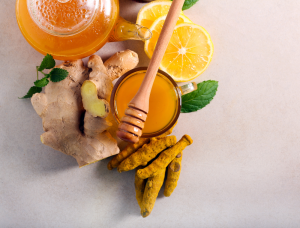
- Ginger: organic ginger root gives a spicy kick, as in Caribbean sorrel.
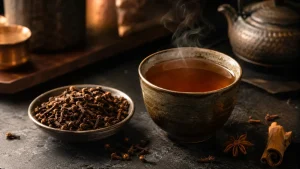
- Cloves: two whole cloves make a festive winter blend.
- Rose hips: organic rose hips add a fruity depth.
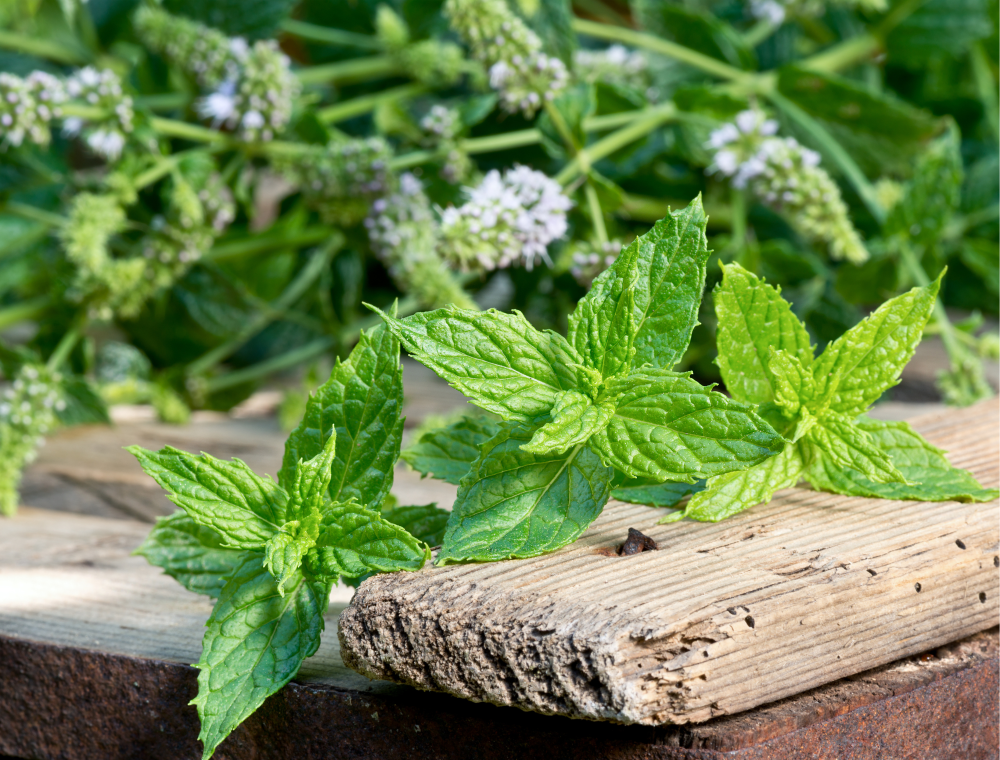
- Mint: organic peppermint keeps the cup fresh.
Hibiscus also colors homemade kombucha a beautiful red. Our hibiscus kombucha recipe shows how.
Sweeteners and Add Ins
The right sweetener changes the whole cup. For example, honey adds floral depth, while agave keeps the flavor clean. Brown sugar gives a warm, caramel note that suits spiced versions. In addition, a squeeze of lime or orange makes the tart notes pop. For a fun twist, top a chilled glass with sparkling water and a few fresh berries.
Not sure which herbal tea fits your day? Take our quick herbal tea mood quiz and get a suggestion in under a minute.
Hot vs Cold Hibiscus Tea
Both methods use the same flowers, yet they give quite different cups. Hot brewing is fast and bold. It pulls out more tart acids and a deeper color in a few minutes. Cold brewing, on the other hand, takes 6 to 12 hours in the fridge. The result is softer, rounder and less sour.
When you learn how to make hibiscus tea both ways, you can match the brew to the season. So choose hot tea for cozy evenings and spiced blends. Then switch to cold brew for summer pitchers and lighter, fruity mixes. You can also brew hot and chill it quickly over ice. In that case, brew it about twice as strong, because the ice dilutes it.
Serving Ideas
Hibiscus tea is more than a simple cup. For example, freeze it in ice cube trays and add the cubes to lemonade. You can also simmer the tea with sugar into a syrup for pancakes, yogurt or cocktails. Finally, a splash of strong hibiscus brightens fruit salads and sorbets.
How to Choose and Store Hibiscus
Good dried hibiscus has a deep crimson to burgundy color. It should feel dry and crisp, never sticky or damp. A fresh bag smells fruity and slightly tart. On the other hand, pale, brownish pieces with little aroma are usually old.
Store hibiscus in an airtight glass jar in a cool, dark cupboard. Keep it away from steam, since the flowers absorb moisture easily. Stored well, it keeps good color and flavor for about one to two years. Brewed tea keeps for three to four days in the fridge.
Frequently Asked Questions About How to Make Hibiscus Tea
How long should hibiscus tea steep?
Steep hibiscus tea for 5 to 7 minutes in hot water. Longer steeping makes the flavor sharper and more sour.
Can I drink hibiscus tea every day?
Many people enjoy it daily in moderate amounts. However, people who take blood pressure medication or who are pregnant should check with a healthcare provider first.
Why did my hibiscus tea turn purple?
Hibiscus reacts to pH. Hard or alkaline water can shift the color toward purple. A squeeze of lemon brings back the bright red.
Can I reuse hibiscus flowers for a second cup?
Yes, you can steep them once more. The second cup will be lighter and less tart. So add a few fresh flowers if you want more flavor.
Does hibiscus tea have caffeine?
No. Pure hibiscus tea is naturally caffeine free. However, some blends add black or green tea, so check the label.
Brew Your First Cup Today
Now you know how to make hibiscus tea that is bright, balanced and easy to adjust. Start with a simple hot cup, then try spiced sorrel or a cold brew pitcher. Also, experiment with cinnamon, ginger and mint to find your favorite blend. Pick up a bag of organic hibiscus flowers and enjoy your first ruby red cup today.