Yerba Mate Side Effects: What to Know
Yerba mate side effects are one of the most searched parts of the conversation around this traditional South American herb, and that makes sense. People often hear about the ritual, the bold grassy taste, and the naturally stimulating character of mate before they hear about what can feel too strong, too bitter, or simply not quite right for their body. Herbalists and tea makers usually approach this with context rather than fear. The leaf itself has a long place in daily use, but how it is prepared, how much is used, how hot the water is, and what it is paired with all shape the experience in a very practical way.
For beverage makers, this matters even more. A rough, over-extracted infusion can feel far more aggressive than a gentler preparation. A thoughtful blend can soften the edges and create a more balanced cup. That is why production-minded tea blending often looks at structure, aroma, body, and drinkability together. Yerba mate can be vivid, toasty, green, and energizing, but it also asks for restraint and good technique. When handled well, it becomes easier to understand what people are really talking about when they mention sensitivity, bitterness, or overstimulation.
What people usually mean when they ask about yerba mate side effects
Most of the time, people are not asking about the leaf in the abstract. They are asking about how they feel after drinking it. In practice, yerba mate side effects usually refer to one or more of these common experiences: feeling overstimulated, getting a jittery or restless sensation, noticing stomach discomfort, tasting excessive bitterness, or feeling that the infusion was simply too strong for their system.
That distinction matters. An herb can have a traditional profile, but the final cup still depends on dose and preparation. A heaping portion brewed too hot and consumed quickly will not behave the same way as a lighter blend sipped over time. Herbalists often notice that the body responds not only to the plant, but also to the ritual around it.
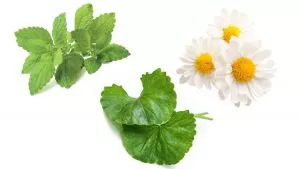
For tea makers, the useful question is not only “Is this herb strong?” but “How strong is the finished beverage, and what balance does it offer?” A blend that includes organic chamomile flowers can round out the sharper edges of yerba mate and bring a softer aromatic profile. Likewise, peppermint leaf can lift the cup and make it feel cleaner rather than heavier.
Why preparation changes the experience so much
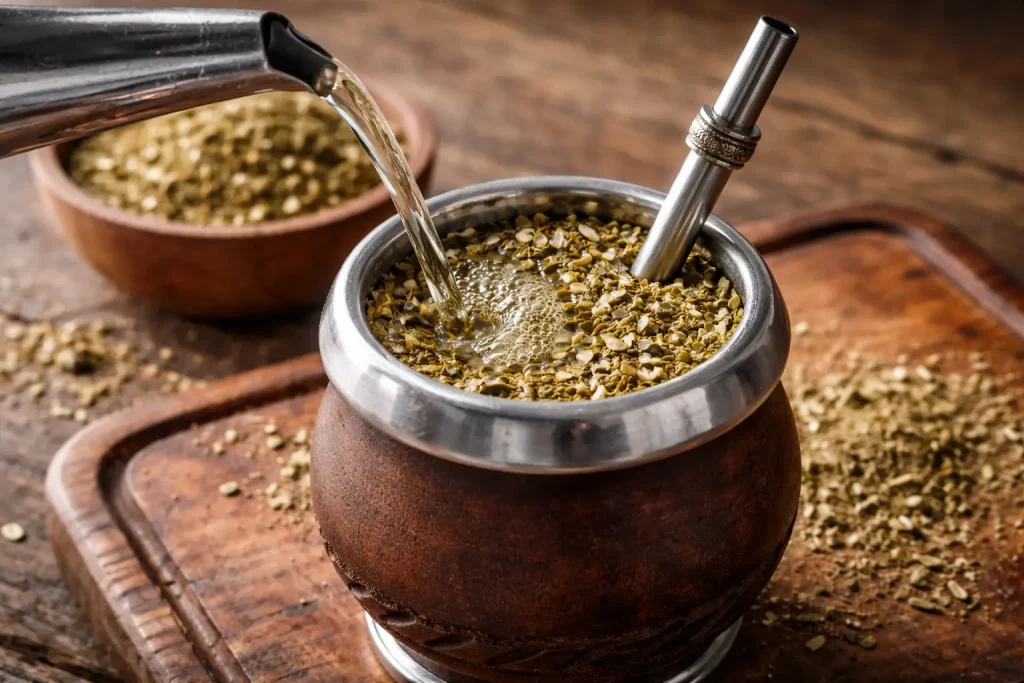
One of the most overlooked drivers behind yerba mate side effects is extraction. Yerba mate is not just about the leaf itself. It is about temperature, steep time, leaf-to-water ratio, and whether the drinker is taking it as a concentrated infusion or as a gentler daily cup.
When water is too hot, the brew can become more abrasive in flavor and more forceful in effect. That often leads people to assume the herb itself is the whole problem, when in reality the preparation was pushing too hard. For a smoother result, many tea makers prefer water in the range of 70 to 80°C (158 to 176°F) instead of boiling water. This helps preserve a cleaner profile and reduces the harshness that can come from over-extraction.
Steeping time matters too. A short 3 to 5 minute infusion often gives a rounder starting point for people exploring yerba mate. Longer contact, especially with fine particles in the cup, can produce more bitterness and a heavier overall impression. If someone is sensitive, that stronger extraction may be exactly what they interpret as yerba mate side effects.
Try building a gentler first cup with yerba mate leaf c/s and organic chamomile flowers before moving to a more assertive formula.
Practical ratios for a smoother cup
If the goal is a balanced infusion, exact ratios make a major difference. This is where beverage formulation becomes more useful than vague advice.
For a standard mug of 350 ml to 400 ml, start with:
- 4 grams yerba mate, about 2 teaspoons
- 1 gram chamomile, about 1 teaspoon
This creates a mild introductory cup with a softer finish.
For a stronger but still balanced mug:
- 6 grams yerba mate, about 3 teaspoons
- 1.5 grams chamomile, about 1½ teaspoons
For a small teapot of 750 ml:
- 10 grams yerba mate, about 5 teaspoons
- 2 grams chamomile, about 2 teaspoons
- Optional 0.5 gram peppermint, about ½ teaspoon
These proportions give beverage makers control. If the cup feels edgy, reduce mate before changing everything else. If it tastes flat, do not automatically add more mate. You may only need a brighter supporting herb or a fresher lot.
A gentle blending route is to combine mate with organic peppermint leaf c/s for freshness or organic ginger root c/s for warmth and structure. For a softer evening-style aromatic direction, a touch of lavender flowers can be used very lightly.
Common sensory issues that people interpret as yerba mate side effects
Many experiences described as yerba mate side effects are really sensory overload problems. A cup that is too bitter, too dry, or too intense can feel physically unpleasant even before the body has a chance to respond to it in any deeper way.
Bitterness is one of the biggest triggers. In a well-made cup, yerba mate can be grassy, robust, earthy, and pleasantly tannic. In a poorly handled cup, it becomes sharp, rough, and tiring. That roughness often leads drinkers to say the herb “doesn’t agree with them,” when the real issue may be extraction or blending.
Another factor is drinking speed. A strong preparation taken quickly on an empty stomach may feel much more abrupt than the same infusion sipped slowly with food. Herbal traditions often involve rhythm and pacing for a reason. The body notices intensity.
This is where thoughtful support herbs can help. Cinnamon chips can add roundness and familiar warmth. holy basil leaf can give an aromatic lift that makes the blend feel more composed. ginger root c/s may add depth in a way that keeps the profile lively without simply pushing bitterness higher.
Troubleshooting
Flat flavor
If the cup tastes dull, check freshness first. Old leaf loses brightness fast. Also review your water temperature. Water that is too cool may under-extract and leave the infusion weak. A touch of peppermint leaf or cinnamon chips can restore lift and aromatic structure.
Too tart
Yerba mate itself is not usually tart, so this often points to an imbalanced supporting blend rather than the mate. If a formula feels too sharp, reduce acidic companions and increase softer herbs like organic chamomile flowers.
Over-carbonation
If you are using yerba mate in a sparkling botanical beverage or fermented tea-style project, too much residual sugar or an overly active second fermentation can create pressure quickly. Chill promptly, test often, and use measured sweetening. Yerba mate works well in modern beverage development, but it should not be treated casually in carbonated formats.
Sediment
Fine particles can continue extracting in the cup and push bitterness upward. Use a better filter, coarser cut material, or allow the infusion to settle briefly before pouring. Excess sediment is one reason people perceive stronger yerba mate side effects than expected.
Aroma loss
If the blend smells tired or dusty, storage is likely the issue. Heat, humidity, and repeated air exposure strip away the pleasant top notes. Adding more herb will not fully solve stale material.
Building balanced blends for tea makers
Tea makers usually get better results when they stop treating yerba mate as a solo powerhouse and start treating it as a base note with structure. It brings body, a green roasted character, and a dry finish. Then the blend can be shaped around that frame.
Chamomile is one of the simplest and best companions because it softens the profile without covering the mate completely. Peppermint brightens the cup and gives a cooling aromatic path. Ginger adds warmth and a more grounded finish. Cinnamon contributes familiarity and a soft sweetness perception even without adding sugar.
For more layered work, small amounts of lavender flowers can create a refined aromatic accent, while holy basil leaf can add herbal complexity. The key is restraint. Yerba mate already has a personality. Good formulation lets it speak without letting it dominate every corner of the cup.
Try a clean daily blend built around yerba mate leaf c/s, organic chamomile flowers, and organic peppermint leaf c/s for a cup that feels vivid but more approachable.
Storage + Quality
Good storage is one of the easiest ways to improve consistency. Yerba mate and supporting herbs should be kept in airtight containers away from humidity, direct light, and fluctuating heat. A dry pantry is better than a warm shelf near a stove. Repeated exposure to air slowly flattens aroma and can leave the material tasting woody or tired.
Color and scent cues help a lot. Fresh yerba mate should still smell alive, with green, roasted, or hay-like notes depending on style. Chamomile should smell sweet, apple-like, and floral rather than dusty. Peppermint should smell cool and bright. Ginger should hold a warm, penetrating spice note. If the aroma is faded, the cup will usually taste lifeless too.
For tea businesses, lot rotation matters. Use older inventory first, protect partial bags carefully, and avoid blending very fragrant botanicals into stale base material in an attempt to hide age. It rarely works well. Better raw material creates a better cup and lowers the chance that customers will describe the result as harsh or disappointing.
Safety
A good safety section for yerba mate side effects should stay practical and calm. Yerba mate is traditionally used as a stimulating herbal beverage, and many people enjoy it comfortably. At the same time, individual tolerance varies. Some people prefer lighter ratios, cooler water, or smaller servings, especially when first exploring the herb.
For product language, keep wording compliant and clear. Avoid medical claims. Avoid promising outcomes. A better approach is to explain that herbalists often use mate for an uplifting cup, while preparation strength and personal sensitivity shape the experience. It is also fair to note that people who are sensitive to stimulating beverages may prefer to start with smaller amounts.
For tea makers and brands, safer communication is usually better communication. State what the blend is, how to prepare it, and how to make it gentler if needed. That kind of honesty builds trust without overreaching.
How to introduce yerba mate to new drinkers
New drinkers often do best with a measured and welcoming format instead of a highly concentrated traditional-style serving right away. This is especially true when concerns about yerba mate side effects are already on their mind.
A practical starting method is a mild infusion after food, using a softer ratio and one calming companion herb. Keep the water below boiling. Steep briefly. Taste the first cup before deciding whether to intensify the next one. This lets the drinker learn the herb rather than wrestle with it.
A useful beginner formula is:
- 4 grams yerba mate
- 1 gram chamomile
- 0.5 gram peppermint
- 375 ml water at 75°C
- Steep 4 minutes
This kind of profile is often more elegant than a forceful cup. It also gives tea makers a foundation for broader product development. Once the base works, seasonal variations become easy. Cinnamon can warm it. Ginger can deepen it. Lavender can add a delicate aromatic top note when used with care.
Conclusion
Yerba mate side effects are often best understood as a combination of herb, method, and personal sensitivity rather than a single fixed story. In real-world tea making, the details matter. Strong ratios, very hot water, long extraction, excess sediment, and rushed drinking can all make mate feel more intense than it needs to be. Balanced blending, on the other hand, can turn a rough experience into a much more enjoyable one.
For herbalists and beverage makers, the practical takeaway is simple. Start with good leaf. Use measured ratios. Keep the water controlled. Build support with herbs that soften, brighten, or round the cup. When that process is respected, yerba mate becomes easier to understand and easier to enjoy.
FAQ
What are yerba mate side effects people most often talk about?
Most people mean feeling overstimulated, tasting too much bitterness, or noticing that the cup feels too strong for them.
Can brewing method affect yerba mate side effects?
Yes. Water that is too hot, long steeping times, and too much leaf can all make the infusion feel harsher.
Is yerba mate better with other herbs?
Often, yes. Organic chamomile flowers and organic peppermint leaf c/s are especially useful for making the cup gentler and more rounded.
How much yerba mate should a beginner use?
A mild starting point is about 4 grams, or 2 teaspoons, per 350 to 400 ml of water.
Why does my yerba mate taste so bitter?
Usually because of over-extraction, excess fine particles, stale material, or water that is too hot.
Can I use yerba mate in sparkling or fermented beverage projects?
Yes, but measure carefully. Watch carbonation, sediment, and sweetness levels closely to maintain balance.
How should I store yerba mate and blend ingredients?
Keep them airtight, dry, and away from light and heat. Fresh aroma is one of the best quality signals.
Is this article giving medical advice?
No. This article is for traditional herbal context and beverage preparation guidance only.