Organic Blue Corn Meal Recipes Guide
Organic blue corn meal brings something rare to the kitchen. It feels rustic and old-world, but it also looks strikingly modern once it hits the bowl, skillet, or baking tin. The color is deep and earthy, somewhere between slate blue and violet-gray, and the flavor has more character than standard yellow corn meal. It tastes a little nuttier, a little toastier, and often a little sweeter in a natural grain-forward way. That makes it especially rewarding for cooks who want simple recipes that still feel distinctive.
What makes it even more useful is range. It can go breakfast-soft in a porridge, tender in muffins, crisp at the edges in skillet cakes, and cozy in a warm drink. It pairs beautifully with chocolate, spice, berries, apples, vanilla, and warm fats. For herbal and botanical pantries, it also opens interesting space for subtle pairings that feel grounded rather than fussy. Once you understand how it behaves with moisture, heat, and sweeteners, it becomes easy to work into everyday baking and stovetop cooking. The seven recipes below are intentionally simple, practical, and built for repeat use, not one-time novelty.
Flavor notes and what to expect from organic blue corn meal
The first thing most people notice is appearance, but the flavor is the real reason to keep organic blue corn meal in the pantry. It tends to taste gently nutty, lightly sweet, and more rounded than many pale corn meals. The texture can range from tender to pleasantly coarse depending on grind. A finer grind leans soft and spoonable. A medium grind gives more bite, which is especially good in cornbread, muffins, and skillet cakes.
Because of that earthy depth, this ingredient welcomes ingredients that either brighten it or deepen it further. Chocolate works beautifully, especially when the sweetness is restrained. Warm spice also fits naturally. Vanilla softens the grain edges. Fruit, especially apple and berry notes, can lift the whole profile.
For a good starting point, build your pantry around organic blue corn meal and cacao nibs. That combination gives you both contrast and harmony, with the corn bringing toast and body while the cacao adds crunch and bittersweet depth.
Easy breakfast recipes with organic blue corn meal
When organic blue corn meal is used in breakfast cooking, its best qualities come forward quickly. It absorbs liquid steadily, takes on creamy textures without becoming bland, and keeps a pleasant grain character even after sweeteners and milk are added.
1) Blue corn breakfast porridge with vanilla
This is the easiest place to start.
Ingredients:
- 60 g organic blue corn meal
- 480 ml milk or plant milk
- 1/4 tsp salt
- 2 tsp maple syrup or honey
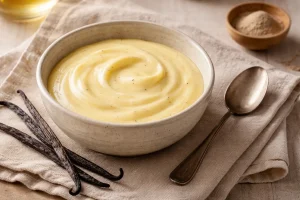
- 1/2 tsp vanilla
- 1 tsp butter or coconut oil
Method:
Bring the liquid to a low simmer. Whisk in the corn meal slowly to prevent clumps. Cook over low heat for 8 to 10 minutes, stirring often, until thick and creamy. Finish with sweetener, vanilla, and butter.
Flavor note:
This tastes warm, mellow, and gently toasted. For a richer aromatic profile, scrape in a little vanilla beans instead of extract.
2) Blue corn skillet pancakes with cacao nibs
Ingredients:
- 120 g organic blue corn meal
- 80 g flour
- 1 tsp baking powder
- 1/4 tsp salt
- 1 tbsp sugar
- 1 egg
- 240 ml milk
- 2 tbsp melted butter
- 2 tbsp cacao nibs
Method:
Whisk the dry ingredients together. Stir in the wet ingredients until just combined. Fold in the cacao nibs. Let the batter rest 10 minutes, then cook in a lightly buttered skillet over medium heat.
Flavor note:
The cacao nibs bring a crackly, bitter-edged contrast that makes the corn taste sweeter.
3) Blue corn apple breakfast bake
Ingredients:
- 100 g organic blue corn meal
- 2 small apples, diced
- 1 egg
- 180 ml milk
- 2 tbsp brown sugar
- 1/2 tsp cinnamon
- 1 tsp butter for the dish
Method:
Mix all ingredients, pour into a buttered small baking dish, and bake at 180°C for 25 to 30 minutes.
Flavor note:
Soft, spoonable, and comforting. For a shortcut pantry version, use apple pieces rehydrated in warm water first.
Baked recipes for everyday use
In baking, organic blue corn meal gives structure and flavor at the same time. It is especially good in recipes that should feel slightly rustic but still tender. A short rest after mixing usually improves texture because the meal hydrates more evenly.
4) Easy blue corn muffins with cacao nibs
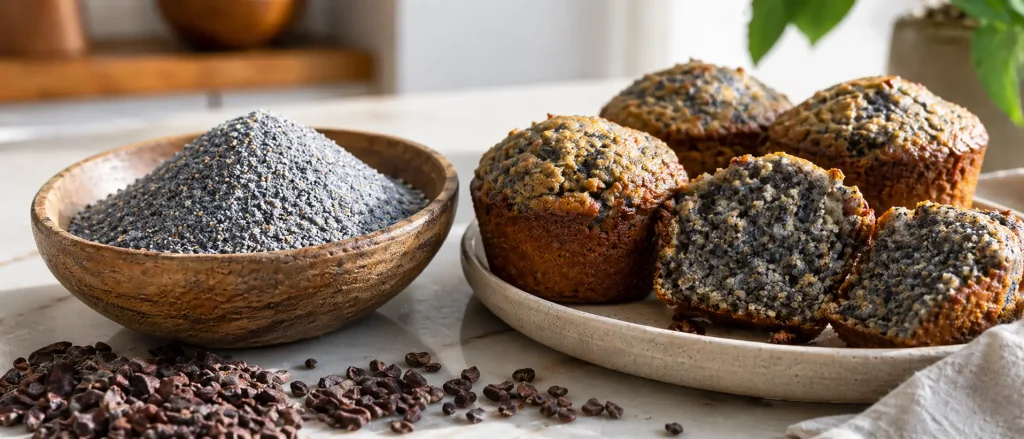
Organic blue corn meal really shines in muffins because the crumb stays tender while the edges get a little bite.
Ingredients:
- 140 g organic blue corn meal
- 100 g flour
- 90 g sugar
- 2 tsp baking powder
- 1/2 tsp salt
- 240 ml buttermilk
- 1 egg
- 60 ml melted butter
- 3 tbsp cacao nibs
Method:
Mix dry ingredients in one bowl and wet ingredients in another. Combine gently. Fold in cacao nibs. Divide into a greased muffin tin and bake at 190°C for 18 to 20 minutes.
Flavor note:
These come out lightly crisp at the top and tender inside, with deep corn flavor and little bursts of dark crunch.
5) Simple blue corn snack cake with cinnamon
Ingredients:
- 150 g organic blue corn meal
- 120 g flour
- 100 g sugar
- 1 1/2 tsp baking powder
- 1/2 tsp salt
- 240 ml milk
- 1 egg
- 70 g melted butter
- 1 tsp ground cinnamon
Method:
Whisk, combine, and bake in a lined square pan at 180°C for 28 to 32 minutes.
Flavor note:
This one leans soft and fragrant. For a more layered pantry flavor, infuse the milk first with a small amount of cinnamon chips, then strain and cool before mixing.
Savory and warm-spoon recipes
Blue corn meal is not only for sweet baking. It also performs beautifully in savory formats, especially where you want warmth, body, and a bit of rustic texture.
6) Creamy blue corn polenta bowl
Ingredients:
- 100 g organic blue corn meal
- 600 ml stock or water
- 1/2 tsp salt
- 1 tbsp butter or olive oil
- grated cheese or sautéed vegetables for serving
Method:
Bring liquid to a simmer. Whisk in the corn meal slowly. Cook on low heat for 15 to 20 minutes, stirring often. Finish with fat and toppings.
Flavor note:
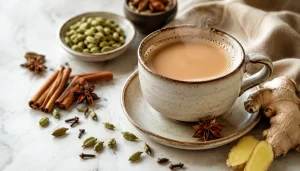
This gives you the earthy, grounding side of blue corn. A little ginger root c/s simmered briefly in the stock, then strained out, can add gentle warmth without making the bowl taste overtly spicy.
7) Blue corn atole-style hot drink
Ingredients:
- 30 g organic blue corn meal
- 360 ml milk or plant milk
- 1 tbsp sugar
- 1/4 tsp cinnamon
- small pinch salt
- 1 tsp cacao powder or a few cacao nibs, finely crushed
Method:
Whisk the corn meal into cold milk first, then heat gently while stirring until thickened and smooth. Add sugar, spice, and chocolate element. Strain only if you prefer a finer texture.
Flavor note:
This is velvety, warming, and deeply comforting. The grain and cocoa play well together, especially on cool mornings.
Pairing ideas that make blue corn meal taste even better
The beauty of this ingredient is that it handles contrast well. Bitter notes, floral softness, orchard fruit, and warm spice can all work when used with restraint. Blue corn has enough personality to stay present, but not so much that it blocks everything else.
For sweeter applications, vanilla, apple, cacao, cinnamon, and berry notes are especially good. For more creative pantry play, elderberries can be cooked into a quick compote to spoon over porridge or snack cake. They bring dark fruit depth that flatters the grain beautifully.
If you want something softer and more aromatic, try a light chamomile milk infusion before making porridge or cake. A little chamomile flowers steeped in warm milk for 5 minutes, then strained, can add a subtle honeyed floral note that feels surprisingly natural beside blue corn.
Troubleshooting
Even easy recipes can go sideways when the grind, heat, or liquid ratio is slightly off. Here are the most common issues.
Flat flavor
Blue corn meal can taste muted if it is old or if the recipe lacks salt and fat. A small increase in salt often wakes it up. Toasting the meal lightly in a dry pan before cooking also deepens flavor.
Too tart
This usually shows up in muffins or cakes made with aggressive yogurt, buttermilk, or fruit. Reduce acidic ingredients slightly and let the corn flavor lead.
Over-carbonation
This only applies if you are experimenting with fermented blue corn batters or drinkable preparations. Fermentation moves quickly in warm conditions, so chill sooner and monitor closely.
Sediment
Sediment is common in hot drinks like atole-style preparations. Whisk the meal into cold liquid first, then heat gently. Straining is optional, but better whisking usually solves most of it.
Aroma loss
If the meal smells dusty instead of sweet and grainy, it is likely old or poorly stored. Fresh corn meal should smell alive, not tired.
Storage + Quality
Organic blue corn meal is sturdier than some delicate flours, but it still deserves careful storage. Because it contains natural oils from the grain, it can lose freshness faster than very refined flours. Keep it airtight, cool, and away from moisture. A pantry is fine for short-term use. For longer storage, refrigeration is often worth it, especially in warm climates.
Color and scent are your best guides. Fresh meal keeps a vivid muted blue-gray tone and a sweet, grain-forward aroma. If the color looks dull and the scent turns flat or stale, baking results will suffer too. Texture also tells you a lot. It should feel dry and loose, not damp or clumped.
When you open a new bag, label it with the date. Small habits like that help you catch quality drift before it reaches the oven or stovetop.
Safety
Blue corn meal is a food ingredient, but a few kitchen basics still matter. Cook it fully in porridges, polenta, and hot drinks so the texture turns pleasant rather than gritty. Store it dry. Keep scoops and jars clean. If you are preparing recipes for others, watch for cross-contact with gluten if your kitchen also uses wheat flour.
For botanical additions, stay practical. Use food-friendly ingredients and clear culinary amounts. This is not a place for exaggerated claims. Blue corn meal is valuable because of its flavor, texture, and visual beauty. That is enough.
Why this ingredient deserves a permanent place in the pantry
Once you cook with organic blue corn meal a few times, it stops feeling like a specialty item and starts feeling like a staple with personality. It can go soft and creamy, crisp and baked, sweet and chocolatey, or savory and spoonable without losing its identity. It also rewards small upgrades. Better vanilla, cleaner spice, thoughtful fruit, and a little bitterness from cacao all make it more interesting without making it harder to use.
That is what makes it so useful for everyday cooks and for small food businesses alike. It is visually memorable, flavor-rich, and flexible enough to move between breakfast, baking, and warm drink formats with very little fuss.
FAQ
What does organic blue corn meal taste like?
It tastes earthy, slightly sweet, and gently nutty, with more character than many standard yellow corn meals.
Is organic blue corn meal good for muffins?
Yes. It gives muffins a tender crumb with a little rustic texture and a deeper grain flavor.
Can I use organic blue corn meal for hot cereal?
Yes. It makes an excellent porridge when cooked slowly with enough liquid and a little salt.
Why is my blue corn drink gritty?
The meal probably was not whisked in well enough at the start, or the drink was not cooked long enough to hydrate the grain.
What pairs best with blue corn meal?
Cacao, vanilla, cinnamon, apples, berries, and warm spices all pair very well.
Can I swap it one-for-one for regular corn meal?
Often yes, but grind and moisture absorption vary, so small liquid adjustments may improve texture.
How should I store it?
Keep it airtight in a cool, dry place. Refrigeration helps extend freshness in warm kitchens.