Bulk Coconut Oil for Business: Wholesale Pricing and Quality Standards
For product makers, a good bulk coconut oil wholesale source is not just a place to buy fat by the pail or drum. It is the foundation for consistency, margin control, and finished product quality. Coconut oil looks simple at first glance. It is pale, clean, familiar, and easy to work with. But once you begin buying for business, the details matter quickly. Refining method, aroma profile, melt behavior, packaging, lot consistency, and storage history all shape how the oil performs in production.
That matters whether you are making body oils, balms, salves, soap, confections, dry mix add-ons, or herb-infused products. A strong lot feels clean in the hand, melts evenly, and carries a pleasant natural profile for its grade. A weak lot may smell stale, feel grainy, arrive poorly packed, or create inconsistency from batch to batch. For herbal businesses, this is especially important because coconut oil is often used as a carrier for botanicals, a base for infused products, or a neutral ingredient that supports more delicate plant notes. If the oil is off, the herbs cannot rescue it. Good sourcing begins by knowing what quality should look like and how pricing really works.
Who buys coconut oil in bulk and why
Bulk coconut oil moves across several business categories. Food manufacturers use it for confectionery, bakery, granola, fillings, and specialty formulations. Wellness and personal care brands use it in balms, scrubs, body butters, salves, and oil infusions. Small herbal companies often use it as a stable carrier for botanicals that need a gentle fat base instead of a water infusion.
The reason businesses buy in volume is simple. Coconut oil is useful, stable when handled properly, and flexible across product lines. One ingredient can support several SKUs. That improves inventory efficiency and gives small brands room to expand without overcomplicating sourcing.
For herbal product development, start with bulk coconut oil as your clean base. Then build outward with ingredients that complement it rather than fight it. For warm aromatic applications, vanilla beans are a natural fit for oil infusions and premium seasonal products.
How Bulk Coconut Oil Wholesale Pricing Usually Works
Pricing in this category is shaped by more than the ingredient itself. Container size, grade, order volume, origin, freight, and market timing all affect the final landed cost. Smaller buyers often begin with pails or cases, while established manufacturers move into drums or tote-level purchasing. As volume rises, the per-pound or per-kilo cost usually improves, but only if freight and warehousing are managed intelligently.
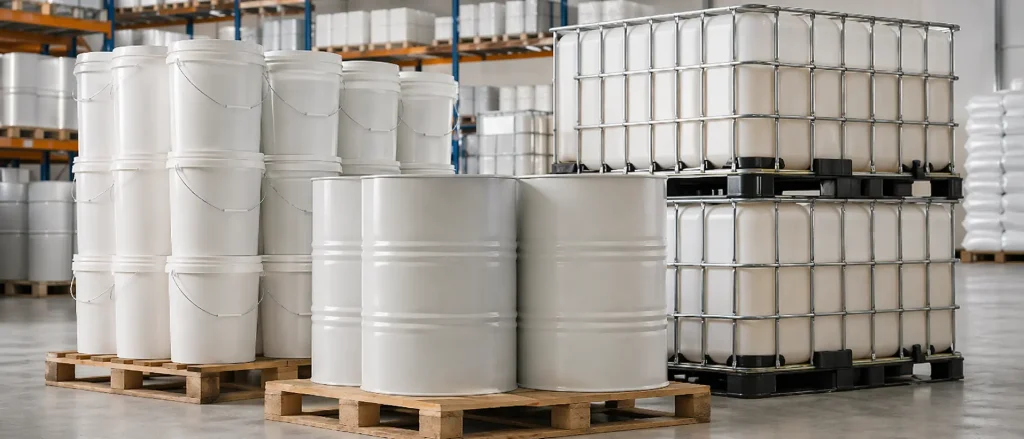
In bulk coconut oil wholesale, the most common packaging formats are 5 gallon pails, 50 to 55 gallon drums, and larger industrial totes for higher-volume operations. Refined oil and virgin oil also price differently. Virgin coconut oil usually costs more because it retains more natural aroma and sees less aggressive processing. Refined grades often cost less and work well when a cleaner, more neutral base is needed.
Ask suppliers how they quote. Some quote by weight, others by unit, and some use tiered pricing with minimum order quantities. If you are comparing offers, compare the same grade, the same packaging format, and the same freight basis. Otherwise the numbers only look comparable on paper.
Quality standards that separate a good lot from a costly mistake
A smart bulk coconut oil wholesale buy starts with specifications, not just price. The first question is grade. Are you buying virgin, refined, or RBD (refined, bleached, deodorized) coconut oil? Each has a different use case. Virgin oil usually carries a soft coconut aroma and is preferred when the ingredient itself is part of the sensory story. Refined or RBD oil is better when you want a cleaner backdrop.
Look at color and appearance. Good coconut oil should look clean and uniform. When melted, it should be clear to pale. When solid, it should appear white to off-white, not dingy or gray. Smell matters too. Virgin oil should smell fresh and softly coconut-like, not sour, waxy, or stale. Refined oil should be neutral and clean, not flat in a tired way.
For businesses, request a specification sheet and a certificate of analysis when relevant. Watch for moisture, free fatty acid levels, peroxide indicators, and any signs of oxidation risk. A botanical product line built on poor oil will always be harder to stabilize. For soothing floral body applications, consider calendula petals as a natural complement in infused oil programs.
Packaging, logistics, and receiving standards
With bulk coconut oil wholesale, packaging is part of quality control. Coconut oil is temperature sensitive in a practical way. It melts around 24 to 26 degrees Celsius (roughly 76 to 78 degrees Fahrenheit), so the same shipment may arrive solid, semi-solid, or fully liquid depending on season and route. That is not automatically a problem. The important question is whether it arrived clean, sealed, and intact.
Pails work well for smaller production spaces because they are easier to handle and recondition after opening. Drums lower packaging cost per unit and make more sense once usage increases. Large totes work for manufacturers with regular throughput and proper transfer systems. Each format has trade-offs in handling, sanitation, and storage footprint.
When a shipment arrives, inspect seals, dents, leaks, pallet integrity, and labeling before signing off. Note lot numbers immediately. If the oil has separated visually, smells off, or shows signs of contamination around the closure, stop and document it. For warm spice profiles in body care or culinary applications, cinnamon chips are often a strong add-on ingredient once the base oil is approved.
How to test a sample lot before committing
Before approving any bulk coconut oil wholesale order, run a small bench test. This is where business buyers save themselves from expensive frustration. First, melt a sample gently in a water bath. Do not overheat it. Watch how it clears and whether any visible sediment remains. Then smell it warm and cool. Warm aroma often reveals faults that a cold sniff hides.
Next, test performance in your intended application. If you make infused oils, run a controlled trial. Use 100 grams of melted coconut oil with 5 grams of chopped botanical material (about 2 teaspoons for light flowers, or about 3 teaspoons for fluffier cuts). For a stronger aromatic trial, use 100 grams of oil with 8 grams of herb (about 1 tablespoon, depending on density). Hold the infusion warm at a gentle low temperature, around 45 to 55 degrees Celsius, for 2 to 4 hours, then strain and evaluate.
This kind of test tells you far more than a brochure does. For aromatic projects, try lavender flowers in a sample infusion. For warming profiles with more earthy depth, ginger root c/s is another useful test ingredient.
Troubleshooting
Even a decent oil can create trouble if the grade, storage, or application does not match the product.
Flat aroma
If the finished product smells dull, the oil may be over-refined, old, or repeatedly heated. Re-test the incoming lot on its own before blaming the botanicals.
Too much coconut aroma
This usually happens when virgin oil is used in products that need a neutral background. Shift to refined or RBD grade if the base note is crowding your formula.
Grainy texture
Coconut oil can crystallize unevenly if it is cooled too slowly or reheated inconsistently. This is a processing issue as often as a sourcing issue. Standardize melt and cooling procedures.
Sediment after infusion
Fine plant material often slips through if the cut size is too small or the filtration is too loose. Use coarser cuts and strain in stages.
Weak botanical carry-through
Some herbs simply need more contact time or a different extraction approach. Rework the ratio before assuming the oil is poor.
Storage + Quality
Even after a strong bulk coconut oil wholesale purchase, quality can slip if storage is careless. Coconut oil should be kept in airtight containers, away from direct light, strong odors, and moisture. While water activity is not a major issue in the oil itself, humidity and careless handling can still introduce contamination around lids, transfer tools, and production surfaces.
Temperature consistency matters. If the oil is repeatedly melted and re-solidified, texture can become less uniform and handling becomes messy. That does not always ruin the oil, but it can create avoidable variability in production. Try to store it in a clean, moderate environment and move only what you need into daily-use containers.
Watch color and scent cues. Clean oil remains visually tidy and smells fresh for its grade. If it develops a paint-like, stale, or sour note, quality is drifting. For golden herbal applications and oil-based body products, turmeric root c/s can be a useful companion, but only when the base oil is still clean and stable.
Safety
Coconut oil is familiar, but business handling still needs discipline. Use clean transfer tools, clean receiving areas, and lot-based tracking. If the oil is intended for body care or food use, avoid improvising with unlabeled containers or mixed storage practices. Keep allergens and fragrance-heavy materials separated where needed.
If you are infusing herbs into oil, dry matter quality matters just as much as oil quality. Botanicals should be properly dried and clean before contact with oil. Water hidden in fresh or poorly dried plant material can shorten shelf life and create product instability. That is one reason many herbal businesses prefer working with reliably dried ingredients and documented batch procedures.
Stay compliant in your product language as well. Talk about aroma, texture, and traditional herbal use where appropriate. Avoid medical claims. A well-made oil product does not need exaggerated promises to be appealing.
How to choose the right supplier for long-term business
The best bulk coconut oil wholesale relationships are calm, predictable, and easy to work with. A good supplier gives you more than a price sheet. They provide grade clarity, lot information, consistent packaging, and realistic communication about lead times. They understand that one late or inconsistent shipment can disrupt a whole production calendar.
Ask practical questions. What are the minimum order quantities? What formats are available? How often do specs change? Can they support samples before larger commitments? How do they handle claims? Do they understand your category, whether that is food, herbal wellness, or personal care?
Then look at the ingredient through your own business lens. If you need a neutral base, do not overpay for a fragrant virgin grade. If aroma matters, do not buy the cheapest refined oil and hope herbs will cover it. Build a sourcing relationship that matches how you actually formulate. For bright cooling products such as scrubs, scalp oils, or seasonal blends, peppermint leaf can round out your development pantry nicely.
In the end, bulk coconut oil wholesale works best when price, grade, and intended use are aligned. Once those three pieces fit, quality control becomes easier and scaling feels much less risky.
FAQ
What should I check before placing a bulk coconut oil wholesale order?
Check grade, packaging format, minimum order quantity, specs, lot consistency, freight terms, and storage expectations.
What is the difference between virgin and refined coconut oil?
Virgin coconut oil keeps more natural coconut aroma. Refined coconut oil is more neutral and often better for products where the base should stay in the background.
Is it normal for coconut oil to arrive solid in one shipment and liquid in another?
Yes. Coconut oil changes state with temperature. That is normal as long as the product remains clean, sealed, and within spec.
Which packaging format is best for a small business?
Pails are usually the easiest starting point. They are simpler to handle, store, and portion in smaller production spaces.
How do I know if coconut oil is going rancid?
Watch for stale, sour, paint-like, or waxy off-notes. A good lot smells clean for its grade and stays visually uniform.
Can I use coconut oil for herbal infusions?
Yes, especially for oil-based body products and certain specialty formulations. Use well-dried herbs and controlled test batches.
Does cheaper coconut oil always save money?
Not necessarily. If a cheaper lot causes inconsistency, waste, or product complaints, it usually becomes more expensive in real business terms.