Sunflower Petal Tea Benefits and Brewing
Sunflower petals bring a kind of brightness that feels almost visual even before the tea is poured. Their color is cheerful, their flavor is gentle, and their presence in a blend often makes the cup feel more open and alive. When people search for sunflower petal tea benefits, they are usually not looking for an aggressive herb with a heavy medicinal profile. They are looking for something softer: a traditional botanical with a light floral character, a pleasant appearance, and a place in the everyday apothecary. That makes sunflower petals especially appealing to tea drinkers who enjoy subtle herbs and to blenders who want to add color without overwhelming the rest of the formula.
In practice, sunflower petals are best approached with a calm hand. They are not here to dominate the cup. They are here to soften it, brighten it, and give it a warm golden garden feeling. They pair naturally with calendula, chamomile, mint, and other herbs that carry either sweetness or lift. Once you understand their role, they become much easier to use well. The key is not to overbuild around them. Let the petals do what they do best: contribute gentle floral notes, visual warmth, and a sense of handcrafted simplicity.
What sunflower petal tea tastes like and where it fits
Sunflower petals have a mild floral profile with a slightly earthy, sometimes faintly green finish. They do not usually hit the palate with the intensity of lavender or the tartness of hibiscus. Instead, they move more quietly. In a plain infusion, the cup often feels soft, light, and bright in color more than bold in aroma. That makes sunflower petals particularly useful in blends where visual beauty matters, but balance matters even more.
They are also one of those herbs that reward expectation setting. If you brew them expecting a powerful standalone tea, you may find them too delicate. If you brew them understanding that they work more like a graceful supporting flower, they become much more satisfying. Their real strength is in how they round out a cup and lend it a sunny, meadow-like feel.
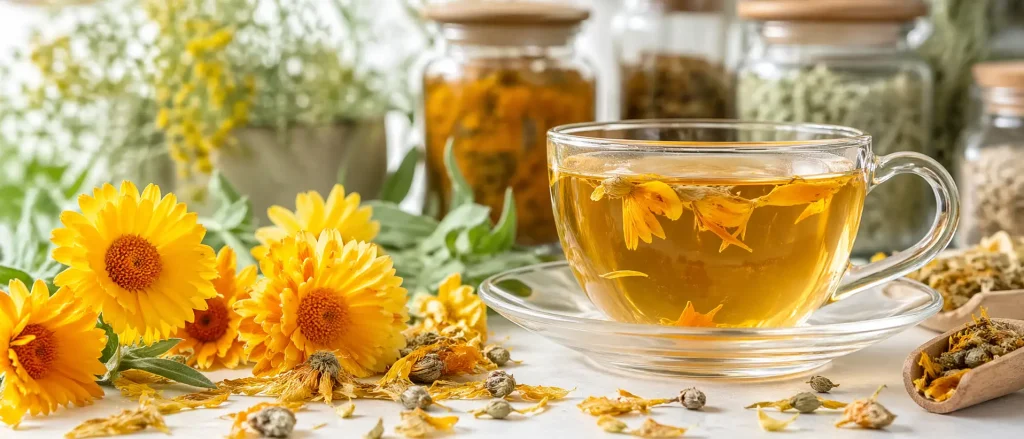
For a bright floral base, start with sunflower petals. For a warmer, more golden blend with a broader cup profile, pair them with organic calendula flowers.
How Herbalists Frame Sunflower Petal Tea Benefits
In traditional herbal practice, sunflower petal tea benefits are usually framed gently. Herbalists often value sunflower petals more for their supportive place in a formula than for dramatic standalone action. They are appreciated in folk-style tea making for their brightness, their floral contribution, and the way they harmonize with softer daily herbs. That matters because not every useful botanical has to arrive with force. Some herbs simply make a tea more inviting, more balanced, and more pleasurable to return to.
This is one reason sunflower petals fit so naturally into a modern herbal pantry. They offer the kind of benefit that lives partly in ritual and partly in sensory experience. A bright yellow tea in a clear cup can change the mood of the moment. A flower that makes a blend more appealing can help people stay consistent with gentle tea habits. That kind of usefulness is easy to overlook, but it is real.
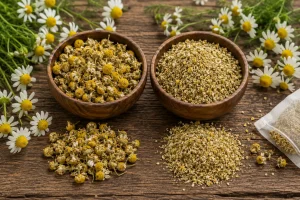
When exploring sunflower petal tea benefits, it is better to think in terms of traditional use, tea beauty, and blend support rather than exaggerated promises. For honey-soft floral support, chamomile flowers make an especially natural companion.
Best brewing methods for a balanced cup
The best sunflower petal tea is brewed with restraint. Too little and the cup feels watery. Too much and the petals can taste flat or a little rough around the edges. The sweet spot is a light but intentional infusion.
For a simple standalone tea, use:
- 2 grams sunflower petals per 240 ml water (about 2 teaspoons)
- Water temperature: 95°C
- Steep time: 5 to 7 minutes
For a fuller blend with calendula:
- 1.5 grams sunflower petals plus 1.5 grams calendula per 240 ml water
- About 1 1/2 teaspoons sunflower petals plus 1 teaspoon calendula
- Steep 5 to 6 minutes
For a larger teapot:
- 6 grams total petals per 750 ml water
- About 5 teaspoons mixed petals
- Steep 6 minutes
Sunflower petal tea benefits are easiest to appreciate when the cup stays clear and bright rather than overworked. Cover the teapot while steeping so the lighter floral notes remain in the infusion. Strain promptly, especially if the blend includes finer flowers or leaf fragments.
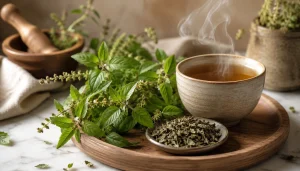
If you want freshness and lift, try adding a small amount of peppermint leaf to the blend. It can sharpen the edges of the cup without burying the petals.
Blend ideas that let sunflower petals shine
Sunflower petals are often best when they are given a role rather than the whole stage. A few simple combinations work especially well.
A sunny daily blend:
- 2 parts sunflower petals
- 2 parts calendula
- 1 part chamomile
This gives a mellow golden cup with floral softness and a relaxed, friendly aroma.
A cool floral blend:
- 2 parts sunflower petals
- 1 part peppermint
- 1 part raspberry leaf
This feels a little greener and more refreshing, while still staying gentle.
A warm evening-style blend:
- 2 parts sunflower petals
- 1 part chamomile
- 1/4 part cinnamon
The cinnamon should stay quiet. Its job is to add warmth, not to turn the tea into spice tea.
Sunflower petal tea benefits often become more obvious in this kind of balanced formulation. The petals bring visual brightness and soft floral structure, while the other herbs give shape to the cup. For a more perfumed floral edge, use a very small amount of lavender flowers. For a steadier herbal body under the flowers, raspberry leaf works beautifully.
Best times to serve it and how to make it taste fuller
This tea works well in the middle of the day, in the late afternoon, or whenever you want something gentle that still feels crafted. It is especially good in a glass teapot or clear cup where the color can do part of the work. That may sound small, but visual pleasure is part of the herbal experience.
To make the cup feel fuller without losing its floral character, use slightly more herb rather than longer steeping. Longer steeping can pull out rougher notes from delicate petals. You can also add one herb with natural softness, such as chamomile or raspberry leaf, instead of pushing the sunflower petals alone.
Sunflower petal tea benefits also show up in cold service when handled carefully. Brew the tea hot at normal strength, cool it, then pour over ice. A touch of honey can help the floral notes feel rounder. If you want a brighter warm-weather version, a little peppermint leaf in the blend makes it feel clean and lively.
Troubleshooting
Sunflower petal tea is simple, but delicate herbs often show problems quickly when the method is off.
Flat flavor
This usually comes from old petals or under-measuring. Use fresher material and check the ratio. A tea that looks beautiful but tastes thin often just needs better-quality petals.
Too tart
Sunflower petals are not naturally very tart, so this problem usually comes from companion herbs or fruit additions. Reduce sharper ingredients and let the petals stay central.
Over-carbonation
If you experiment with sparkling herbal teas or lightly fermented floral drinks, bottle pressure can rise fast. Keep those projects small and chill promptly.
Sediment
Petal fragments can settle in the cup, especially if the cut is fine. Use a finer strainer or a paper filter for a clearer infusion.
Aroma loss
This is often a storage issue. Flowers lose their delicate top notes quickly when exposed to air, light, and heat.
Sunflower petal tea benefits are easiest to appreciate when the petals still smell alive and sunny rather than dusty or tired.
Storage + Quality
Like many flowers, sunflower petals are light, airy, and vulnerable to careless storage. Keep them airtight, away from humidity, away from direct light, and away from strong-smelling ingredients. Flowers absorb nearby odors more easily than people expect, and that can quietly ruin a beautiful batch.
Color is a major quality signal here. Fresh sunflower petals should look bright and cheerful, not brownish or dull. Scent should be light but present. If the petals smell dusty, flat, or stale, the brewed tea will usually follow the same path. Keep jars closed tightly and buy in quantities that make sense for your actual turnover.
For tea makers, quality control is simple but important. Label the opening date. Watch for fading color. Brew a test cup every so often. Sunflower petal tea benefits depend heavily on freshness because delicate flowers do not hide their age well.
Safety
Sunflower petals are generally approached as a gentle tea ingredient, but good herbal habits still matter. Use only clean, properly identified petals intended for tea or food use. Avoid decorative petals of uncertain source. Keep tools and jars clean. If you are blending for others, label ingredients clearly and keep records of your batches.
As always, it is better to keep claims disciplined. Speak about traditional use, flavor, and brewing experience. Say that herbalists often use sunflower petals in mild floral blends. Say that they may support a pleasant tea ritual or a more inviting cup. Do not turn a delicate flower into a miracle story. The tea is most persuasive when it is allowed to be exactly what it is: bright, gentle, and beautifully simple.
Why this flower deserves a place in the apothecary
The charm of sunflower petals is that they offer more than one kind of value at once. They contribute beauty, a soft floral note, and a gentle traditional presence that makes a tea feel handmade rather than generic. They are also easy to understand once you stop expecting them to behave like a dominant herb. Their strength is not force. Their strength is balance.
That is why sunflower petal tea benefits are best understood through use. Brew them well, pair them thoughtfully, and watch how they change the feel of a cup. They can brighten a blend visually, smooth a formula emotionally, and make an everyday tea feel a little more memorable. For many herbalists, that is more than enough reason to keep them close at hand.
FAQ
What are sunflower petal tea benefits in traditional herbal use?
They are usually described gently, focusing on traditional use in mild floral blends, visual brightness, and supportive presence in a daily tea ritual.
What does sunflower petal tea taste like?
It is mild, floral, slightly earthy, and usually more delicate than people expect.
Can I drink sunflower petal tea on its own?
Yes, but it is often even better in blends with calendula, chamomile, or mint.
How much sunflower petal tea should I use per cup?
A good starting point is 2 grams per 240 ml water, which is about 2 teaspoons.
Why does my tea look beautiful but taste weak?
The petals may be old, or the ratio may be too light for the cup size.
Is sunflower petal tea good iced?
Yes. Brew it hot first, chill it, and serve over ice for a bright and gentle floral tea.
What herbs pair best with sunflower petals?
Calendula, chamomile, peppermint, raspberry leaf, and small amounts of lavender all pair very well.