Orange Peel Powder for Skin: Easy Scrub + Mask DIY
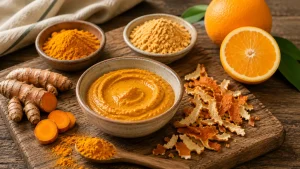
Orange peel powder for skin is one of those pantry-simple ingredients that feels instantly ceremonial. The scent alone can shift a bathroom into a tiny citrus steam room, especially when you pair it with virgin coconut oil and warm water. Herbalists and traditional beauty makers have long leaned on aromatic peels for their brightening feel, their “freshly polished” finish, and their ability to make a basic routine feel like a ritual.
In this guide, you’ll get two core recipes (a small bowl scrub and a simple mask), plus practical adjustments for different skin moods (dry, oily, combo, and “just irritated”). I’m also including production-minded details for tea and apothecary folks who like to batch small jars: how to keep texture consistent, how to avoid moisture clumps, and how to preserve that vivid orange aroma. Nothing fancy, just good ratios, good technique, and a clean spa vibe you can repeat any weeknight.
Why orange peel powder feels so good in simple skincare
Orange peel powder for skin works best when you treat it like a botanical polish rather than a “fix.” Finely milled citrus peel brings gentle physical exfoliation and an uplifting aromatic experience. In traditional home care, peels were often dried, powdered, and blended with oils, clays, or soothing botanicals, then used in short, mindful applications.
The key is contact time and pressure. A light touch and a short rinse-off window can make it feel fresh and bright without pushing your skin into redness. Think: two minutes of massage for a scrub, or eight to ten minutes for a mask, then rinse with lukewarm water and follow with a simple moisturizer.
If you’re formulating for friends or for tiny self-care jars, keep the grind consistent. A uniform powder makes a uniform glide. Mixed grinds can feel scratchy on cheeks and too “slippery” on the forehead, which is the opposite of what you want.
Choosing a good powder and keeping it “spa-soft”
For orange peel powder for skin, your baseline quality cues are aroma, color, and feel. You want a bright citrus scent (not flat), a warm orange-tan color (not grayish), and a fine, flour-like texture with minimal gritty shards.
If your powder smells muted, it may still work as a scrub texture, but the sensory payoff drops. If it smells a bit stale or “cardboardy,” use it in short-contact scrubs only (not masks), and pair it with stronger aromatics like cinnamon or cloves in tea making instead of skin use.
Production tip: sieve it. Even if it looks fine, pass it through a fine mesh sieve. The tiny “chips” that stay behind are what can make a scrub feel too aggressive. Save those coarser bits for simmer pots or bath soaks instead of face scrubs.
Try adding ginger root powder to your tea lineup when you want warmth and citrus-friendly spice notes.
The core pair: Orange peel powder + virgin coconut oil
Orange peel powder for skin pairs beautifully with virgin coconut oil because coconut oil gives slip, slows down friction, and holds aroma. It also makes the mix feel more forgiving, which is helpful for beginners who scrub too hard.
Use room-temperature coconut oil for easy mixing. If your coconut oil is solid, warm the jar with your hands or place it near a warm kettle for a minute so it softens (not melts into liquid). Semi-soft coconut oil whips into a creamy paste and helps the powder hydrate evenly.
This pairing is also practical: it’s stable, easy to store, and quick to portion. If you’re batching, aim for small jars (30–60 g) so you open and close less air and humidity over time.
Try blending turmeric powder into your beverage blends for a golden, earthy backbone (and keep it away from masks unless you’re ready for staining risk).
DIY Citrus Polish Scrub (small bowl method)
This is your quick, clean “small bowl scrub” routine. It’s designed for a smooth glide, low mess, and a rinse that doesn’t leave your skin feeling squeaky.
Ingredients (single use):
2 teaspoons orange peel powder for skin
1 teaspoon virgin coconut oil
Optional: 1/4 teaspoon finely ground oatmeal (for extra softness)
Optional: a few drops of warm water to loosen
Method:
In a small bowl, combine the powder and coconut oil. Stir until it looks like damp sand that holds together.
If it feels stiff, add warm water 2–3 drops at a time until it becomes a creamy paste.
Apply to damp skin. Use feather-light pressure, especially on cheeks and around the nose.
Massage for 45–90 seconds.
Rinse with lukewarm water. Pat dry.
Follow with a simple moisturizer.
Batching note for makers: If you want this as a “jarred scrub” texture, keep it anhydrous (no water). Water invites clumping and shortens shelf life. Let the user add water at the sink if they want a looser glide.
Try using cinnamon powder in chai-style tea blends when you want a cozy aromatic lift.
DIY Glow Mask (calm, bright, short-contact)
 A mask version of orange peel powder for skin should be gentler than the scrub. That means smoother texture, more hydration, and less rubbing. The goal is a softly polished look, not a deep scrub.
Ingredients (single use):
1 teaspoon orange peel powder for skin
1 teaspoon warm water or warm herbal tea (strained)
1/2 teaspoon virgin coconut oil
Optional: 1/2 teaspoon kaolin clay (for an oil-balancing feel)
Method:
In a small bowl, hydrate the powder with warm water first. Let it sit 1 minute to soften.
Stir in coconut oil until creamy.
Apply a thin, even layer. Avoid the eye area and active blemishes.
Leave on 8–10 minutes (do not let it fully crack-dry).
Rinse gently with lukewarm water, using your fingertips like you’re polishing fruit, not scrubbing a pan.
Moisturize.
If you’re a tea maker, consider using a warm infusion instead of plain water. A very light steep of tulsi or ginger can add aroma and ritual. Just keep it strained and simple.
Try adding tulsi leaves to your pantry for calming, aromatic tea blends that feel “spa-like” in a cup.
Exact ratios (grams + teaspoons) for repeatable batches
If you like consistency (or you’re making small jars), weigh it. Teaspoons are helpful, but grams keep batches steady across different powder densities.
Single-use scrub paste:
6 g orange peel powder for skin (about 2 teaspoons)
4.5 g virgin coconut oil (about 1 teaspoon)
Optional: 0.5 g oatmeal powder (about 1/4 teaspoon)
Mini batch (about 6–7 uses), anhydrous jar:
36 g orange peel powder for skin (about 12 teaspoons)
27 g virgin coconut oil (about 6 teaspoons)
How to mix for a uniform jar:
Sieve the powder into a mixing bowl.
Add coconut oil in small increments, stirring each time.
Press and fold rather than whisking (whisking traps air pockets and can separate later).
Pack into a clean, dry jar. Tap the jar to settle. Close immediately.
Try keeping cloves on hand for deep, resinous warmth in tea blends and simmer pots.
Customizing for different skin moods
Orange peel powder for skin can be tuned by changing pressure, contact time, and what you pair with it. Keep the powder amount steady, then adjust the “softeners.”
Dry or tight-feeling skin:
Use more oil (increase coconut oil by 1/2 teaspoon).
Skip clay.
Massage less, rinse sooner.
Oily or shiny T-zone:
Add 1/2 teaspoon kaolin clay to the mask.
Keep oil lower (1/4–1/2 teaspoon).
Use short contact time.
Sensitive or easily red skin:
Use a mask only (no scrub massage).
Hydrate the powder first and apply as a thin layer.
Patch test and keep it to 5–7 minutes.
Body care (elbows, knees, feet):
You can go slightly more textured.
Add a pinch of sea salt for body only (never face).
Rinse thoroughly and moisturize after.
Try using fenugreek seeds in tea blends when you want a toasted, maple-like depth (and keep it out of face masks due to scent intensity).
Troubleshooting (texture, aroma, “too much,” and messy jars)
If you make or use orange peel powder for skin regularly, these are the common issues and the simple fixes.
Flat feel (not much “polish”):
Your powder may be too fine or too oily. Add 1/2 teaspoon more powder to the scrub, or reduce oil slightly.
Increase massage time by 15 seconds, but keep pressure light.
Too tart or stinging sensation:
Rinse immediately. Next time, shorten contact time and increase oil.
Avoid using on freshly shaved skin or after strong actives.
Over “slippery” (won’t stay on the skin):
Hydrate the powder first (mask method) so it gels slightly before oil.
Add a pinch of kaolin clay for grip.
Sediment and separation in the jar:
This usually comes from warm oil poured in or trapped air pockets. Mix at room temp and press/fold the blend.
Store away from heat so coconut oil doesn’t repeatedly melt and resolidify.
Aroma loss:
Oxidation and humidity are the culprits. Use airtight jars, keep the lid closed, and avoid storing near the stove.
Try adding vanilla powder to tea blends for a soft, round aromatic note that pairs well with citrus peels.
Storage + Quality (keep it bright, dry, and aromatic)
For orange peel powder for skin, humidity is the enemy. Powder pulls moisture from the air, and coconut oil can trap that moisture if you introduce wet fingers or a steamy bathroom environment.
Best practices:
Store powder in an airtight container with a tight seal.
Keep the jar in a cool, dry cabinet (not next to the shower).
Use a dry spoon every time.
If you batch a scrub jar, label it and treat it as “dry-use only.” Users should scoop with a clean dry spoon and mix with water in a separate bowl.
Quality cues:
Color: should stay warm orange-tan. If it turns dull or grayish, aroma and freshness are fading.
Scent: should smell clearly citrusy. If it’s faint, use it for body scrubs, not face masks.
Texture: clumps mean moisture exposure. Break clumps and consider moving to a drier storage spot.
Try adding black peppercorn to tea blends for a crisp, warming kick that pairs well with citrus-forward profiles.
Safety (compliant, no medical claims)
Orange peel powder for skin is best used as a gentle cosmetic ritual, not a treatment. Everyone’s skin is different, and botanicals can be surprisingly strong for some people.
Safety basics:
Patch test first (inner arm, 24 hours).
Avoid eyes, broken skin, and active irritation.
Keep contact time short, especially on the face.
If you use fragranced products or essential oils elsewhere, avoid stacking too many scented items in one routine.
If you’re pregnant, nursing, or under dermatologic care, keep routines simple and check with a qualified professional for personalized guidance.
Use language like “traditionally used,” “may support the look and feel of smooth skin,” and “herbalists often use peels for their aromatic, refreshing qualities.” Avoid disease claims and avoid promising outcomes.
A simple weekly routine that stays realistic
If you want orange peel powder for skin to stay enjoyable, schedule it lightly. Overuse is what turns “glow” into “why am I red.”
A practical rhythm:
Face scrub: 1 time per week (or every 10 days if you’re sensitive).
Face mask: 1 time per week, on a different day than the scrub (or replace the scrub entirely).
Body scrub: 1–2 times per week as desired.
Keep your technique consistent: damp skin, light pressure, short time, lukewarm rinse. The ritual matters as much as the ingredient.
Try adding ajwain to your tea spice shelf for bold, savory warmth in small pinches (especially in blends that need a “snap”).
Conclusion: keep it simple, keep it gentle
Orange peel powder for skin shines when you keep the method simple and the touch gentle. A small bowl scrub with virgin coconut oil gives you a smooth, polished feel, while a short-contact mask offers a softer, calmer kind of brightness. Focus on quality cues (fresh scent, fine texture), store it airtight, and treat it like a sensory ritual rather than a promise.
If you’re a maker, weigh your batches, keep them dry, and protect the aroma. If you’re a home herbalist, keep your routine light and consistent. Orange peel powder for skin doesn’t need drama to be effective as a simple, traditional cosmetic polish.
FAQ
How often should I use orange peel powder for skin?
For most people, 1 time per week is plenty. Sensitive skin may prefer every 10–14 days.
Can I mix orange peel powder for skin with virgin coconut oil and store it?
Yes, if you keep it anhydrous (no water) and always scoop with a dry spoon. Store airtight and away from humidity.
Is orange peel powder for skin better as a scrub or a mask?
Masks are usually gentler. Scrubs can be great if your powder is fine and your pressure is light.
Why does my mix feel scratchy?
The powder may be too coarse. Sieve it, or use it for body care instead of face.
What if I feel stinging or “too tart”?
Rinse immediately and reduce contact time next use. Increase coconut oil, and avoid applying after shaving or strong actives.
Can I use brewed tea instead of water in the mask?
Yes, a light, strained infusion can add aroma. Keep it simple and avoid leaving the mask on too long.
How do I keep the aroma from fading?
Store airtight, keep it dry, and avoid heat. Open the jar briefly and close it tightly.
Can orange peel powder for skin be used on elbows and feet?
Yes. Body skin usually tolerates more texture, but moisturize afterward.