Organic Lavender Buds in Bulk: Tea, Skincare & Beyond
Lavender is one of those rare botanicals that bridges the gap between the kitchen, the apothecary, and the cosmetics lab with equal grace. Its floral complexity, shifting between sweet herbaceous and cool camphoraceous notes depending on the variety, makes it indispensable for tea blenders, skincare formulators, soap makers, and culinary artisans. For businesses scaling production, sourcing organic lavender bulk wholesale is the gateway to consistent quality at competitive pricing. Yet lavender is far from a single-note ingredient.
Different grades, harvest timings, and drying methods produce dramatically different aromatic profiles, each suited to specific applications. This guide unpacks the essential knowledge wholesale buyers need: grade distinctions, sensory evaluation, storage best practices, regulatory notes, and strategic pairings with complementary botanicals that elevate lavender from a standalone ingredient to the heart of a finished product line.
Why Organic Lavender Bulk Wholesale Demand Continues to Climb
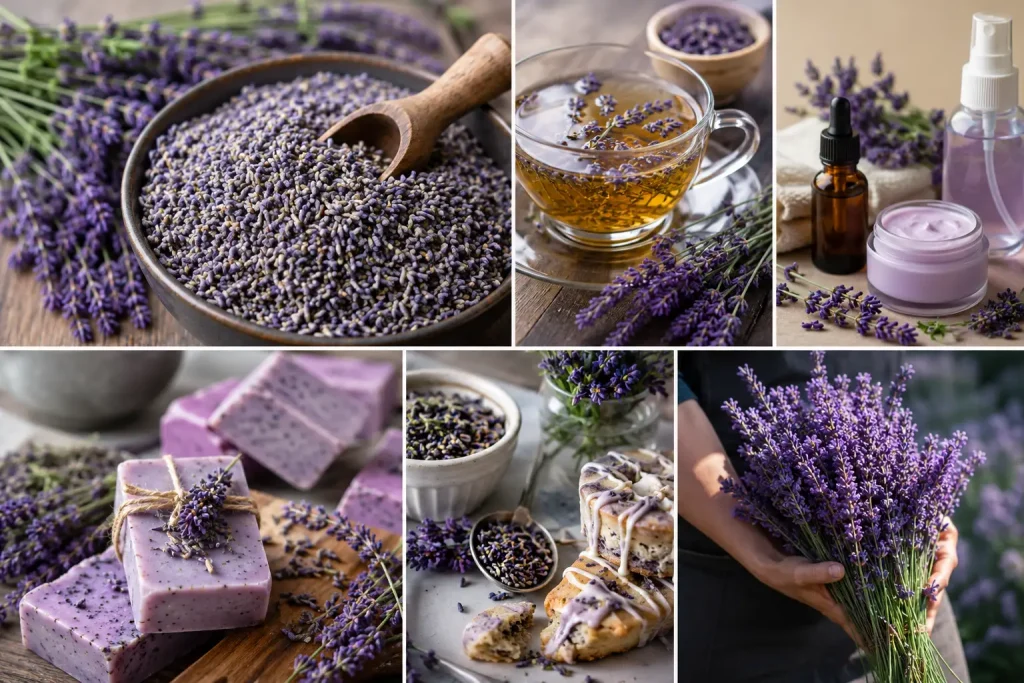
Consumer interest in lavender-based products has surged across multiple sectors simultaneously. In the tea industry, lavender tisanes and lavender-forward blends appear on nearly every specialty tea menu. In skincare, lavender essential oil and lavender hydrosol remain top sellers in the natural beauty segment. Sachets, bath products, candles, and culinary applications (lavender honey, lavender shortbread, lavender lemonade) continue to expand the market. The common thread across all of these categories is a preference for organic, traceable ingredients. Businesses buying organic lavender bulk wholesale secure both the certification their customers expect and the volume pricing that supports healthy margins.
Lavender Grades and Their Distinct Applications
Not all lavender buds serve the same purpose, and understanding the grade hierarchy prevents costly mismatches between ingredient and application. Hatton Naturals offers three distinct grades, each with a specific profile.
Lavender Flower Extra Whole represents a versatile, all-purpose grade. These buds deliver a balanced floral aroma with moderate color intensity, making them suitable for tea blends, potpourri, culinary garnishes, and general-purpose skincare infusions. For most buyers entering the lavender market, this grade offers the best combination of quality and value.
The Lavender Flower Ultra Whole grade steps up in both visual quality and aromatic intensity. Ultra buds are hand-selected for uniform size and deep purple color, producing a more striking visual presence in transparent packaging, loose-leaf tea tins, and bath product displays. The essential oil content tends to be higher, delivering a more pronounced scent in sachets and topical formulations.
For premium applications where appearance and fragrance both matter at the highest level, Lavender Super represents the top tier. These buds are selected from peak-harvest lots with exceptional oil content, vibrant color, and intact bud structure. Luxury bath products, high-end culinary garnishes, and artisanal blends all benefit from this grade.
What Buyers Should Know About Lavender Pricing
Lavender pricing reflects grade, origin, and seasonal availability. French lavender (Lavandula angustifolia from Provence and surrounding regions) commands the highest prices globally, followed by Bulgarian and high-altitude Mediterranean sources. Organic certification adds a premium of roughly 20 to 35 percent over conventional lavender of comparable grade, covering the costs of organic land management, annual audits, and traceability documentation.
When comparing organic lavender bulk wholesale quotes, look beyond the per-kilogram price. Evaluate the bud-to-stem ratio: cheaper lots often contain more stem fragments and broken material, which dilute both flavor and visual appeal. A lot priced 10 percent lower but containing 15 percent more stem material actually costs more per gram of usable bud. Request samples before large commitments and evaluate them against your specific application requirements.
Sourcing and Quality Indicators
Evaluating lavender quality begins with the senses. Open a sample bag and inhale deeply. Premium lavender buds release a complex aroma immediately: sweet floral top notes, herbaceous middle, and a clean, slightly camphorous finish. Stale or poorly dried lavender smells flat, dusty, or hay-like. Visually, look for buds that are intact (not crumbled), uniformly sized, and deeply colored. Purple-blue hues indicate proper harvest timing and gentle drying, while gray or brown discoloration suggests over-drying or prolonged storage.
On the documentation side, confirm USDA Organic certification, and request a certificate of analysis that includes essential oil content (linalool and linalyl acetate percentages for Lavandula angustifolia), moisture level (ideally below 10 percent), and microbial panels. These details tell you more about the lot’s quality than any marketing description can. Hatton Naturals provides searchable COA documentation through their COA page for full transparency.
Tea Blending with Lavender
Lavender is a powerful blending ingredient, but its intensity demands a thoughtful hand. In tea formulations, lavender works best as an accent rather than a base, typically comprising 10 to 20 percent of a blend by weight. Higher percentages can produce a soapy or perfume-like taste that overwhelms other ingredients. Pairing lavender with Organic Chamomile Flowers Whole creates a classic calming tisane where chamomile’s apple-sweet softness balances lavender’s floral intensity. Adding Lemon Balm Leaf introduces a bright citrus note that lifts the blend and prevents heaviness.
For caffeinated options, lavender pairs elegantly with Earl Grey in a “lavender Earl Grey” that has become a coffeehouse staple. The bergamot in Earl Grey harmonizes naturally with lavender’s floral character, creating a sophisticated, aromatic cup. Buyers sourcing organic lavender bulk wholesale for tea production should consider stocking these complementary ingredients from the same supplier to ensure matching organic certification and simplified logistics.
Skincare and Body Care Applications
In the natural skincare sector, lavender buds serve multiple functions. Cold-infused lavender oil (buds steeped in a carrier oil for four to six weeks) produces a fragrant base for balms, salves, and massage oils. Lavender-infused witch hazel or hydrosol works as a gentle facial toner. Whole buds add visual appeal and gentle exfoliation to bath soaks, shower steamers, and sugar scrubs. For soap makers, dried lavender buds scattered on the top of cold-process bars create an artisanal aesthetic that commands premium pricing.
When formulating skincare products, combine lavender with Calendula Petals Whole for a soothing botanical infusion. Calendula’s golden color and gentle properties complement lavender beautifully in balms and facial oils. Organic Rose Buds and Petals add luxury and additional floral complexity to bath products and potpourri blends.
Complementary Botanicals for Lavender Product Lines
Building a cohesive product line around lavender means curating a palette of supporting ingredients. Beyond chamomile and calendula, consider Peppermint Leaf Whole for energizing lavender-mint blends in teas, bath products, and aromatherapy sachets. The cooling menthol of peppermint contrasts beautifully with lavender’s warm floral character. For culinary lines, Organic Rooibos Red provides a caffeine-free base that carries lavender flavor without bitterness, perfect for evening tea blends and iced beverages.
Sourcing this full range from a single organic lavender bulk wholesale supplier reduces vendor management overhead and ensures that every ingredient in your formulations carries consistent organic certification. The Bulk Organic Herbs page provides access to the complete catalog.
Storage, Shelf Life, and Handling
Dried lavender buds retain their aromatic potency best when stored in airtight containers at room temperature, away from direct sunlight and heat sources. Under these conditions, whole buds maintain excellent quality for 12 to 18 months. Clear glass jars look beautiful on retail shelves but allow light exposure that degrades color and essential oil content over time. For storage (as opposed to display), use opaque containers or store glass jars inside closed cabinets.
Humidity control matters significantly. Moisture above 60 percent relative humidity encourages mold development and accelerates the breakdown of linalool, the primary aromatic compound in lavender. If your production environment is naturally humid, run a dehumidifier in the storage area and consider desiccant packets inside bulk containers. Rotate inventory on a first-in, first-out basis to prevent older stock from losing its aromatic edge.
Safety and Regulatory Notes
Lavender is generally recognized as safe for food use and has a long history in topical applications. However, buyers should be aware of several regulatory considerations. For food and tea products labeled USDA Organic, confirm that every ingredient (including lavender) carries valid organic certification from an accredited certifying agent. For cosmetic applications, lavender is not classified as a drug by the FDA, but any product making therapeutic claims crosses into drug territory and triggers additional regulatory requirements.
Linalool, the dominant aromatic compound in lavender, is listed as a fragrance allergen in the European Union, requiring declaration on cosmetic product labels sold in the EU market. Buyers formulating for international distribution should review EU Cosmetics Regulation (EC) No 1223/2009 for current requirements. Standard organic lavender bulk wholesale lot documentation should include allergen information and microbial testing results.
Frequently Asked Questions
What is the difference between culinary lavender and regular dried lavender?
Culinary lavender typically refers to Lavandula angustifolia varieties, which have a sweeter, less camphorous flavor profile suitable for food use. Lavandin (Lavandula x intermedia), a hybrid often grown for essential oil production, has a sharper, more camphorous character that works well in sachets and body care but can taste medicinal in food. Always confirm the species when purchasing organic lavender bulk wholesale for tea or culinary applications.
How much lavender should I use in a tea blend?
Start with 10 to 15 percent lavender by weight and adjust upward cautiously. Lavender’s floral intensity can quickly dominate a blend. In a typical single-serve tea sachet (2 to 3 g total), 0.3 to 0.4 g of lavender buds provides noticeable flavor without overwhelming other ingredients.
Can I use lavender buds directly in cold-process soap?
Yes, but be aware that lavender buds turn brown in cold-process soap due to the high pH environment. Many soap makers sprinkle buds on top of the bar rather than mixing them into the batter, or they use lavender buds purely for decoration on the soap surface where partial browning creates a rustic aesthetic.
What makes Ultra grade lavender different from Extra grade?
Ultra grade buds are selected for superior visual uniformity, deeper purple color, and higher essential oil content. They are ideal for premium products where appearance and fragrance intensity both matter. Extra grade is an excellent all-purpose option that delivers strong quality at a more accessible price point.
How should I store lavender buds for maximum shelf life?
Use airtight, opaque containers stored at room temperature between 60 and 75 degrees Fahrenheit, away from light and heat. Avoid plastic bags, which can trap residual moisture and promote mold. Glass jars with tight-sealing lids work well for both storage and display.
Is lavender safe for use in products for sensitive skin?
Lavender has a long tradition of use in topical applications and is generally well tolerated. However, individuals with fragrance sensitivities or allergies to linalool may experience irritation. Always recommend patch testing for new topical products, and include appropriate labeling for your market.
Can I blend different lavender grades in one product?
Absolutely. Some producers use Extra grade as the base volume ingredient and add a smaller proportion of Super grade buds on top for visual impact. This approach balances cost efficiency with premium presentation.
What is the minimum order for wholesale lavender?
Minimum order quantities vary by supplier and format. Many suppliers, including Hatton Naturals, offer wholesale pricing starting at modest quantities, allowing new buyers to sample quality before scaling up. Check the product pages or contact the sales team directly for current minimums.
Sourcing organic lavender bulk wholesale opens creative possibilities across tea, skincare, culinary, and home fragrance product lines. By choosing the right grade for each application, pairing lavender with complementary botanicals, and storing inventory with care, you build a foundation for products that deliver the consistent floral elegance your customers expect. Explore the full lavender collection and complementary ingredients at Hatton Naturals.