Manjistha Powder: What It Is and How to Use It
Manjistha powder has a way of announcing itself before you even taste it. Open the jar and you get a quiet, earthy-red aroma, like dry roots and clean soil after rain. In the cup, it can feel grounding and structured, especially when you treat it like what it is: a finely milled root powder that behaves differently than a leaf or a petal. This post is a practical, herbalist-minded guide to manjistha powder for tea makers, including how to work with its texture, how to build balanced blends, and how to keep its color and aroma intact in production.
If you’ve ever brewed a gorgeous infusion that turned dull in storage or left gritty sediment in every cup, you’re not alone. Manjistha powder rewards a few small technique shifts: gentle heat, smart steep timing, and pairing choices that bring lift without fighting its rooty base. Below you’ll get clear ratios in grams and teaspoons, production-friendly steps, and a troubleshooting guide for common issues.
What is manjistha powder?
Manjistha powder is made by drying and milling the root of manjistha (Rubia cordifolia), a plant long used in traditional herbal systems. In an herbal pantry, it sits with the roots: sturdy, mineral, and slow to give up its character compared to leafy herbs. As a powder, it extracts quickly on the surface but can also thicken or settle if you agitate it aggressively or use boiling water.
For beverage makers, it helps to think of manjistha powder as “root body.” It brings a deeper base note and a naturally reddish hue that can read as warm and rustic in a clear infusion, or more opaque and cocoa-like if you push the dose. In blends, it often plays best as a supporting root rather than the whole chorus, unless you’re intentionally making a bold, earthy cup.
Flavor, color, and how it behaves in water
The sensory profile of manjistha powder is earthy, woody, slightly astringent, and gently bitter at higher doses. The color can range from amber-rose to brick red depending on dose, steep time, and water chemistry. Hard water can mute brightness, while softer water tends to show clearer color.
Powdered roots behave differently than cut-and-sifted botanicals:
It disperses fast, so the first minute can taste strong even though the deeper extraction is still developing.
It settles, so the last sip can be more intense and gritty if you don’t strain well.
It can hold onto aroma molecules, so pairing with fragrant leaves and spices helps the nose match the color.
For a cleaner cup, strain through a fine mesh (or a paper filter for a “clear tea” style). If you prefer a more rustic, traditional mug, you can accept a little sediment, but dose lower and avoid violent stirring.
How to use manjistha powder in everyday tea (simple methods)
If you want consistent results, treat manjistha powder as a low-and-slow infusion rather than a quick steep. Boiling water can pull harshness and emphasize grit.
Method A: Gentle steep (home + small batch)
Heat water to 85–90°C (185–194°F).
Whisk the manjistha powder into a small splash of warm water first (a slurry), then add the rest of the water.
Steep 10–15 minutes, covered.
Strain through fine mesh. For extra clarity, strain again through a coffee filter.
Method B: Short simmer (production-friendly for roots)
Bring water to a low simmer (not a rolling boil).
Add manjistha powder and keep at a bare simmer for 5–8 minutes.
Turn off heat, cover, and rest 10 minutes.
Strain well.
In both methods, the goal is steady extraction without whipping the powder into a stubborn haze. This is especially important if you’re making concentrates for blending or bottling.
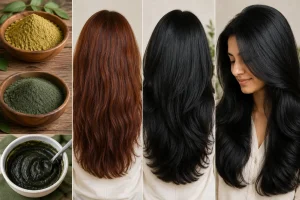
Try pairing a small amount of henna powder in non-beverage uses like botanical packs, while keeping manjistha powder focused on beverage craft.
Exact ratios (grams + teaspoons) for consistent batches
These ratios help you dial in manjistha powder without guessing. Teaspoons vary by grind and humidity, so grams are the reliable standard, but both are listed for practical use.
Single mug (250 ml / ~8.5 oz)
Light, aromatic cup: 1.0 g (about 1/2 tsp) manjistha powder
Medium, root-forward: 1.5 g (about 3/4 tsp) manjistha powder
Bold, rustic: 2.0 g (about 1 tsp) manjistha powder (strain carefully)
1 liter batch (about 4 mugs)
Light: 4 g (about 2 tsp) manjistha powder
Medium: 6 g (about 1 Tbsp) manjistha powder
Bold: 8 g (about 4 tsp) manjistha powder
Concentrate for blending (makes ~500 ml concentrate to dilute later)
10 g (about 5 tsp) manjistha powder + 600 ml water
Simmer 6 minutes, rest 12 minutes, strain very well. Dilute 1:1 with hot water to serve, or 1:2 for a lighter cup.
For a smoother finish, build lift with roots and spices rather than adding more powder. Try adding ginger root to brighten the aroma and reduce the perception of heaviness.
Pairing manjistha powder with other botanicals (tea maker mindset)
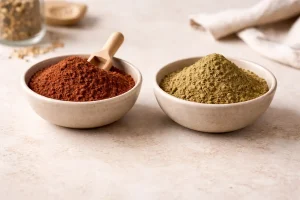 Manjistha powder pairs best with ingredients that do three things: add top notes, soften the edges, and improve perceived sweetness. Since you asked for practical pairing ideas without certain items, here are options that complement its root character while staying blend-friendly.
Aromatic lift (top notes)
Tulsi offers a fragrant, green-spice nose that makes the cup feel brighter. Try adding tulsi leaves to bring a fresh, uplifting aroma over the earthy base.
Cinnamon adds warmth and a bakery-like note that can make root flavors feel “cozy” instead of “muddy.” Try adding true ceylon cinnamon for gentle sweetness and roundness.
Root harmony (body support)
Ginger adds heat and clarity. Try adding ginger root for a clean, warming lift.
Turmeric brings golden depth and a subtle peppery edge. Try adding turmeric powder to create a richer, root-to-root backbone.
Leafy balance (structure without heaviness)
Moringa can add a green, savory note and a fuller mouthfeel. Try adding moringa leaf to give the blend a nourishing, leafy structure without overpowering the root.
Spice clarity (finish + aroma)
Cardamom is excellent for making earthy cups feel elegant and fragrant. Try adding green cardamom pods for a bright, floral-spice finish.
Note on the pairing list: Manjistha Powder + Henna Powder can be marketed side-by-side as botanicals in a pantry, but henna powder is generally used for cosmetic applications rather than beverage making. Keep your beverage guidance centered on manjistha powder and your tea-forward botanicals, and present henna as a complementary “botanical powder” for non-ingestion routines.
A simple blend formula you can scale (tea + latte style)
Here’s a balanced base blend that uses manjistha powder as a supporting root and stays pleasant across a wide audience.
Earth + Spice Root Blend (per 100 g blend)
25 g manjistha powder
25 g turmeric powder
20 g ginger root (powder or fine cut)
20 g moringa leaf
10 g true ceylon cinnamon
Brew guidance (per 250 ml mug)
Use 2.5 g blend (about 1 heaped tsp). Steep at 88–90°C (190–194°F) for 12 minutes. Strain well.
Latte-style option (for a café feel)
Make a concentrate: 10 g blend in 400 ml water. Bare simmer 5 minutes, rest 10 minutes, strain. Serve 1:1 with steamed milk (or oat milk) and a small pinch of cinnamon on top.
Try adding green cardamom pods if you want the aroma to hit first, before the earthy base arrives on the palate.
Manjistha powder in cold infusions and ready-to-drink workflows
Powders are tricky in cold water because they don’t hydrate evenly. If you want a cold beverage workflow, do a hot extraction first, then chill.
Cold beverage method (clean, consistent)
Make a hot concentrate with manjistha powder (see concentrate ratios above).
Cool quickly (ice bath for the container, covered).
Chill overnight for sediment to settle.
Decant the clear portion off the top, leaving the last cloudy centimeter behind.
Bottle and keep refrigerated.
This method gives you better flavor and a cleaner mouthfeel, which matters if you’re selling a ready-to-drink product or serving at events. If you want sparkling, carbonate the decanted portion and expect some natural haze. Avoid shaking.
Try adding tulsi leaves to the hot concentrate stage for an aromatic top note that survives chilling.
Troubleshooting: flat flavor, too tart, over-carbonation, sediment, aroma loss
Flat flavor
Likely cause: under-dosed, too cool, or steeped too briefly.
Fix: Increase steep time to 15 minutes or switch to a short simmer. Add aromatic support (tulsi or cardamom) instead of just adding more manjistha powder.
Too tart
Manjistha powder itself isn’t typically “tart,” so tartness often comes from water chemistry or companion ingredients.
Fix: Use filtered water, reduce acidic ingredients (if any), and add warming spices (cinnamon, ginger) to round the impression.
Over-carbonation (if you’re fermenting or force-carbonating a blend)
Likely cause: too much residual sugar, warm storage, or bottling before fermentation stabilized.
Fix: Chill earlier, reduce sugar, or shorten fermentation time. If force-carbonating, carbonate only the clarified portion and avoid adding fresh powder post-carbonation.
Sediment (grit at the bottom of the cup)
Likely cause: powder not strained finely enough or too much agitation.
Fix: Use a slurry, then strain through fine mesh, then through paper if needed. Let the brew rest 5 minutes before final strain. Lower the dose of manjistha powder if you want a cleaner cup.
Aroma loss (smells dull after storage)
Likely cause: heat exposure, oxygen, or old stock.
Fix: Store airtight, keep away from light and heat, and pair with aroma-forward botanicals like cardamom or tulsi. Brew covered to trap volatiles.
If you want the blend to “wake up” without adding brightness from restricted ingredients, try adding true ceylon cinnamon to improve perceived sweetness and aroma.
Storage + quality: keeping powder potent, fresh, and clean
Manjistha powder is sensitive to humidity and oxygen. The grind gives it a lot of surface area, which is great for extraction but also means it stales faster than chunky roots.
Storage practices
Airtight container, ideally with a tight gasket.
Keep away from heat sources and direct sunlight.
Use a dry spoon. Never scoop with a damp utensil.
For production, consider smaller working jars and keep bulk sealed until needed.
Quality cues (what to look for)
Color: should be a consistent reddish-brown. If it looks faded, grayish, or patchy, it may be old or moisture-exposed.
Scent: should smell earthy and rooty, not musty. Musty notes usually mean moisture contamination.
Texture: should be free-flowing. Clumping suggests humidity.
If you’re blending, mix powders thoroughly before packing. For retail pouches, include a simple “settling is natural” line in your product description and recommend straining for a clear cup.
Try adding moringa leaf as a companion in blends stored for longer periods because it helps keep the overall aroma “green” and lively.
Safety: compliant, practical guidance (no medical claims)
Manjistha powder is traditionally used in herbal systems, and many herbalists include it in broader botanical routines. That said, this post is for general food and beverage education, not medical advice.
Use these common-sense guidelines:
Keep servings modest, especially if you’re new to the ingredient.
If you are pregnant, nursing, taking medications, or managing a health condition, consult a qualified professional before using new herbal ingredients.
Avoid making disease claims on labels or marketing. Use compliant language like “traditionally used” or “herbalists often use.”
From a tea maker’s perspective, your safest path is consistency, transparency, and conservative dosing. Focus on sensory outcomes: flavor, aroma, and a pleasant drinking experience. If you sell blends, provide clear brewing instructions and encourage customers to listen to their own bodies.
Conclusion: making manjistha powder easy, consistent, and enjoyable
Manjistha powder can be a beautiful ingredient when you stop treating it like a leaf tea and start treating it like a root craft material. Keep the heat gentle, strain with intention, and use pairing botanicals to add aroma and lift. With a few reliable ratios and a production-minded workflow, manjistha powder becomes consistent: earthy, warm, and quietly vibrant in color without being harsh or gritty.
If you want a simple starting point, begin with a light dose, brew covered at 88–90°C (190–194°F), and pair it with tulsi, ginger, cinnamon, or cardamom. Then adjust one variable at a time. That’s how you make manjistha powder not just “something you tried once,” but a dependable tool in your tea pantry.
FAQ
What is manjistha powder made from?
Manjistha powder is a finely milled powder made from dried manjistha root (Rubia cordifolia).
How much manjistha powder should I use per cup?
A common starting point is 1.0 g (about 1/2 tsp) manjistha powder per 250 ml cup, strained well.
Does manjistha powder dissolve fully in water?
No. Manjistha powder disperses, then settles. Fine straining or resting and decanting helps reduce sediment.
What does manjistha powder taste like?
Earthy, woody, and slightly astringent, with more bitterness if over-dosed or boiled hard.
Can I use manjistha powder in cold drinks?
Yes, but it works best as a hot concentrate that you chill, let settle, and decant for a cleaner mouthfeel.
Why is my brew gritty when I use manjistha powder?
Powders settle. Use a slurry, avoid aggressive stirring, and strain through fine mesh (or paper for clarity).
What pairs well with manjistha powder in tea blends?
Aromatic and warming botanicals like tulsi, ginger, true ceylon cinnamon, and green cardamom pair well.
Is manjistha powder safe for everyone?
Use modest servings and avoid medical claims. If you are pregnant, nursing, on medications, or have a condition, consult a qualified professional before use.