Ginger Turmeric Tea: A Warming Golden Blend
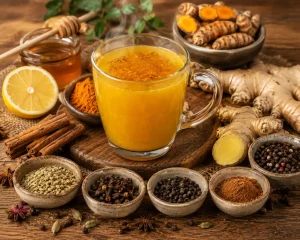
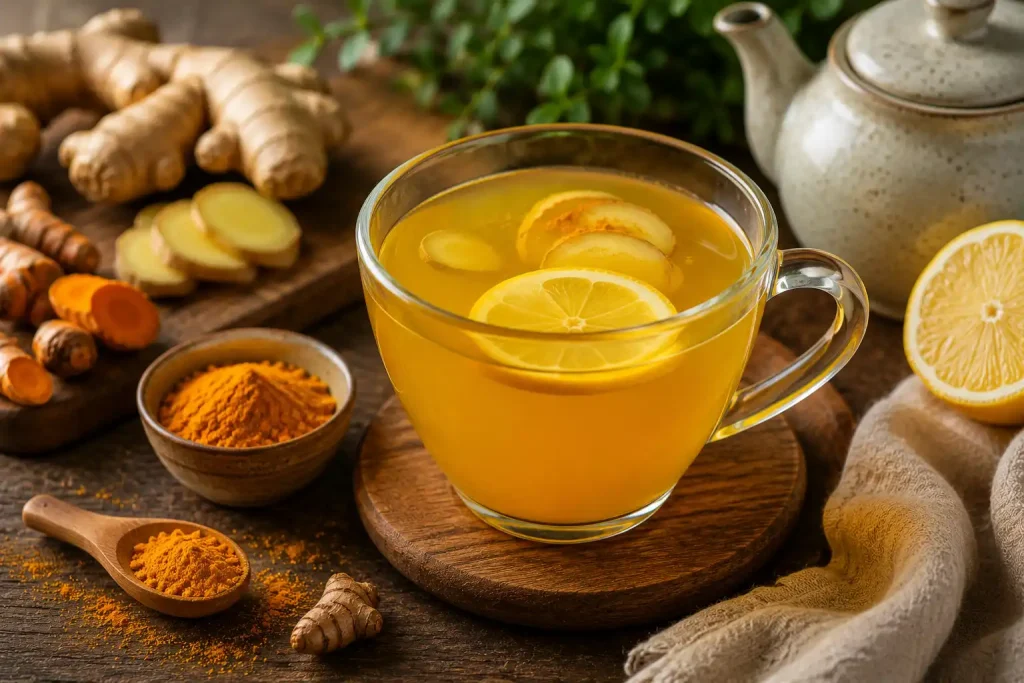
Ginger turmeric tea is one of the most popular warming herbal blends in contemporary herbalism and wellness culture. Both ginger and turmeric are rhizomes — underground root-like stems — with long histories of use in Ayurvedic, Chinese, and South Asian traditional medicine. Together, they create a tea that is bold, warming, slightly spicy, and deeply golden in color. In fact, the combination of these two roots produces a cup that is as visually striking as it is flavorful.
Furthermore, ginger turmeric tea has become widely known as a “golden milk tea” or “golden tea” in its milk-based form, though the base blend works equally well brewed with water alone. This guide covers everything you need to know to make it at home, adjust the flavor, and choose the best ingredients.
Understanding the Key Ingredients
Before brewing, it helps to understand what each ingredient brings to the cup:
- Ginger (Zingiber officinale): Warming, pungent, and spicy. Ginger cut and sifted releases its characteristic heat and bright, citrusy warmth into hot water quickly. Dried ginger is more concentrated than fresh — its flavor is deeper and spicier than the more fresh, zesty quality of raw ginger root.
- Turmeric (Curcuma longa): Earthy, slightly bitter, and intensely golden. Turmeric cut and sifted provides a rich, warm, slightly pepper-like flavor. It is the compound curcumin in turmeric that gives it its vivid color and the majority of its traditional reputation in Ayurvedic practice.
- Black pepper: Traditional Ayurvedic preparations that include turmeric almost always add a pinch of black pepper. This is because piperine, the active compound in pepper, significantly enhances the bioavailability of curcumin. Even a small pinch makes a meaningful difference.
- Cinnamon: Optional but highly recommended. Ceylon cinnamon cut and sifted adds a gentle sweetness and warm, woody depth that rounds out the spiciness of ginger and the earthiness of turmeric beautifully.
Basic Ginger Turmeric Tea Recipe
Here is a simple, balanced recipe that produces an excellent cup:
- Measure your spices. For one 8 oz cup: 1 teaspoon ginger (cut and sifted or ground), 1/2 teaspoon turmeric (cut and sifted or ground), a small pinch of black pepper, and optionally 1/4 teaspoon of cinnamon.
- Combine and simmer. Place the spices in a small saucepan with 10 oz of water (slightly more than your cup capacity to account for absorption). Bring to a gentle simmer over medium heat. Reduce heat and simmer gently for 8–10 minutes. Simmering rather than steeping is important for ginger and turmeric — the hard, dense root material releases its compounds more fully with sustained heat.
- Strain and pour. Pour through a fine-mesh strainer into your cup. The liquid should be a beautiful golden-orange color.
- Adjust and sweeten. Taste the tea. Add a drizzle of honey or a squeeze of lemon if desired. Raw honey adds a lovely complementary sweetness that balances the spice.
Additionally, adding a small splash of coconut milk or oat milk creates a richer, creamier version — closer to the traditional golden milk preparation popular in Ayurvedic tradition.
Adjusting the Flavor of Your Ginger Turmeric Tea
One of the pleasures of making ginger turmeric tea at home is that you can adjust each element to suit your own palate. Here are some practical adjustments:
- More ginger, less turmeric: For a spicier, brighter cup with less earthy depth. This is a good starting point if you are new to turmeric and find its flavor too assertive.
- More turmeric, less ginger: For a deeper, more golden, earthier cup. Many people who brew ginger turmeric tea for its Ayurvedic traditional properties prefer a higher turmeric ratio.
- Add cardamom: A pinch of ground cardamom adds a fragrant, exotic note that pairs beautifully with both ginger and turmeric.
- Add vanilla: A drop of pure vanilla extract or a small piece of vanilla bean adds a sweet, mellow quality that softens the sharpness of the ginger.
- Add orange peel: Fresh or dried orange peel brings a citrus brightness that pairs especially well with ginger and cinnamon.
Ginger Turmeric Tea with Milk: Golden Milk
The milk-based version of ginger turmeric tea is often called golden milk or turmeric latte. It has gained enormous popularity in café culture and wellness circles. To make it:
- Follow the basic recipe above but substitute 8 oz of your preferred milk for the water (oat milk, coconut milk, and full-fat dairy all work well).
- Heat milk gently — do not boil — and add all spices directly to the milk. Whisk continuously while heating to prevent the turmeric from settling.
- Strain before serving and sweeten with honey or maple syrup.
The result is a thick, creamy, warming drink with a rich golden color that has become one of the most popular non-caffeinated hot drinks in specialty cafés worldwide.
Iced Ginger Turmeric Tea
This blend also works well cold. Brew a batch using the stovetop simmering method, then allow it to cool completely. Pour over ice and add a splash of cold oat milk and a squeeze of lemon. The flavor is somewhat different cold — the warmth of the ginger is less prominent, while the earthy turmeric and sweet cinnamon come forward. Moreover, adding mango juice to an iced ginger turmeric tea base produces a vibrant, tropical-style drink.
Sourcing Quality Ginger and Turmeric
The quality of your base ingredients determines the quality of your ginger turmeric tea. For dried ginger, look for a strong, pungent aroma — not dusty or flat. The flavor should be spicy and bright, not muted. For turmeric, the color should be a vivid, deep orange-yellow. Pale or brownish turmeric has lost most of its potency.
Choose organic versions of both whenever possible. Ginger and turmeric are often produced in regions where pesticide regulations differ from U.S. standards. Organic certification provides assurance of cleaner cultivation practices.
Safety and Usage Notes
Ginger and turmeric are both considered safe food-level herbs when consumed as a tea in normal amounts. However, ginger may increase the risk of bleeding when combined with blood-thinning medications. Turmeric in very large supplemental doses may affect liver function or interact with certain medications. If you are on prescription medications, pregnant, or have a diagnosed health condition, consult your healthcare provider before making ginger turmeric tea a daily practice. This content is educational and does not constitute medical advice.
Frequently Asked Questions
Do I need to add black pepper to ginger turmeric tea?
Technically no, but from a traditional Ayurvedic perspective, it is strongly recommended. Even a very small pinch — 1/8 teaspoon per cup — is sufficient. The piperine in black pepper dramatically improves the absorption of curcumin from turmeric. If you dislike pepper, try white pepper as a subtler alternative.
Can I use fresh ginger and turmeric instead of dried?
Yes. Fresh roots work well for this recipe. Use about 1-inch pieces of each root, peeled and thinly sliced. Fresh roots produce a slightly brighter, less concentrated flavor than dried. You may need a slightly longer simmer time with fresh roots to fully extract their flavor.
Why is my ginger turmeric tea bitter?
Turmeric can become bitter if over-steeped or if too much is used. Keep turmeric to 1/2 teaspoon or less per cup and limit simmer time to 10 minutes. Adding honey, cinnamon, or a splash of milk all help balance any bitterness from over-extraction.
How should I store unused dried ginger and turmeric?
Store in airtight glass jars away from heat, light, and moisture. Both spices are best used within 12–18 months of purchase for maximum potency and flavor. Label your jars with the purchase date so you can track freshness.
Ready to brew? Shop our organic ginger and organic turmeric to build your perfect ginger turmeric tea blend today.