Lavender Tea Recipe for a Relaxing Cup
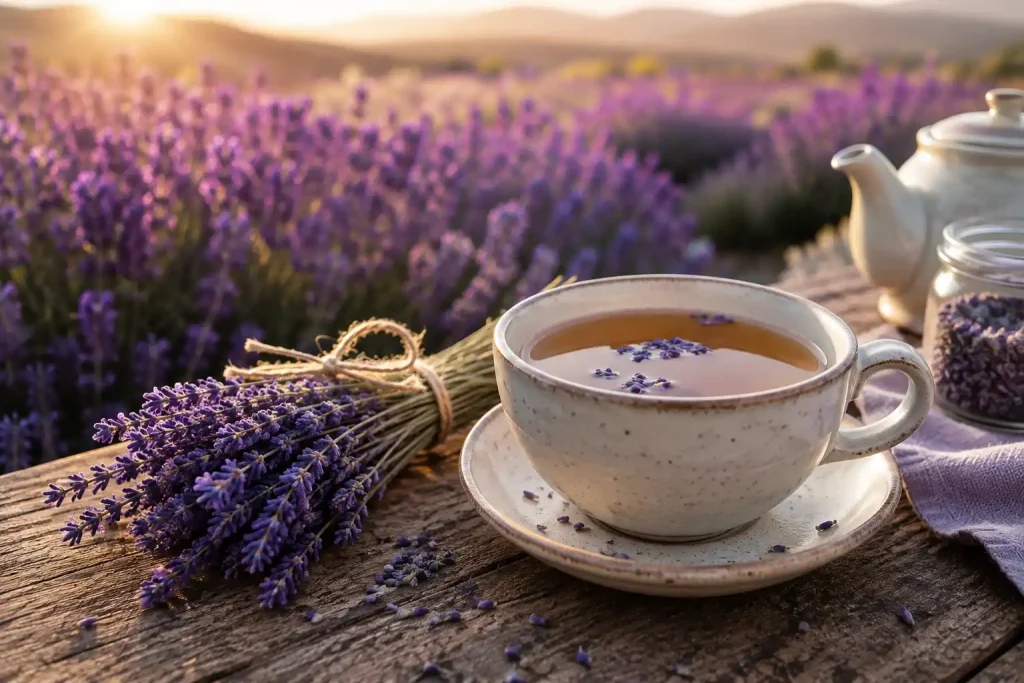
Lavender tea recipe guides are plentiful, but many overlook the most important step: choosing the right lavender. Not all culinary lavender is the same, and using ornamental or garden lavender that has been treated with pesticides can produce a tea that tastes bitter or chemical. Culinary-grade, organically grown lavender flowers are the only kind you should use in a tea you plan to drink. Once you have the right ingredient, this lavender tea recipe is simple, rewarding, and genuinely relaxing to prepare.
Lavender has been cultivated for thousands of years across the Mediterranean region, where it was used for bathing, perfumery, cooking, and traditional medicine. The Romans used it to scent their baths — the word lavender itself is thought to derive from the Latin lavare, meaning to wash. In folk herbalism, lavender has long been traditionally valued as a calming, aromatic herb.
Choosing the Right Lavender for Tea
There are many varieties of lavender, but only a few are well-suited for culinary use and tea making. Lavandula angustifolia (English lavender) and Lavandula x intermedia (lavandin) are the most common culinary types. English lavender is considered the gold standard for flavor — sweeter, more floral, and less camphor-forward than lavandin varieties.
When selecting dried lavender for this lavender tea recipe, look for compact, aromatic flower buds with good color. Organic whole lavender flowers provide the most aromatic and visually appealing brew. For a more intensely fragrant and highly concentrated cup, ultra whole organic lavender features large, premium flower heads with exceptional essential oil content.
Basic Lavender Tea Recipe: Step-by-Step
Here is the foundational lavender tea recipe — simple, fragrant, and easy to customize:
- Measure the lavender. Use 1 teaspoon of dried lavender flowers per 8 oz of water. Start conservatively — lavender is potent, and too much can make the tea taste soapy or medicinal. You can always increase slightly once you know your preferred strength.
- Heat the water. Bring water to about 200°F (93°C), just below a full boil. Lavender’s essential oils are volatile and can dissipate with excessively hot water or extended exposure to air.
- Pour and cover. Pour the hot water directly over the lavender in your infuser or strainer. Cover the cup immediately with a small saucer to trap the aromatic steam. Steep for 5–6 minutes.
- Strain and taste. Remove the lavender and smell the tea before tasting — the aroma is half the experience. Taste and assess the strength. The flavor should be floral, sweet, and gently herbal, not overpowering or soapy.
- Optional additions. A drizzle of honey (especially lavender honey, if available) or a thin slice of lemon enhances the flavor beautifully. Avoid adding milk, which can clash with lavender’s delicate floral character.
Lavender Honey Latte Recipe
For something more indulgent, this lavender tea recipe can be transformed into a cozy lavender honey latte:
- Brew a double-strength lavender infusion using 2 teaspoons of lavender in 4 oz of water, steeped for 7 minutes.
- Strain into a mug and stir in 1 teaspoon of honey.
- Steam or heat 6 oz of your preferred milk (oat milk works beautifully) and pour it gently over the lavender concentrate.
- Dust lightly with culinary dried lavender or a tiny pinch of cinnamon.
Additionally, this lavender latte can be served iced — simply cool the concentrate, combine with cold milk over ice, and sweeten to taste.
Lavender Tea Blends: Flavor Pairings That Work
Lavender pairs exceptionally well with other calming or floral herbs. Here are some classic combinations for your lavender tea recipe:
- Lavender and chamomile: The most popular lavender tea pairing. Chamomile flowers add a soft, apple-like sweetness that harmonizes perfectly with lavender’s floral intensity. Use two parts chamomile to one part lavender.
- Lavender and lemon balm: Lemon balm leaf adds a citrusy brightness that lifts lavender’s sweetness. Use three parts lemon balm to one part lavender for a balanced blend.
- Lavender and rose petals: Deeply floral and very elegant. Excellent served as an iced tea with honey in summer.
- Lavender and mint: The cool freshness of peppermint or spearmint provides an interesting contrast to lavender’s warm floral notes.
- Lavender and vanilla: Add a small piece of dried vanilla bean or a drop of pure vanilla extract to a brewed cup for a dessert-like, deeply relaxing tea.
Iced Lavender Tea
Lavender tea is exceptional served over ice, especially during warm months. Brew a double-strength batch using 2 teaspoons per 8 oz of water. Allow it to cool to room temperature, then refrigerate until cold. Pour over ice and garnish with a fresh sprig of mint and a thin lemon wheel. The visual presentation is stunning — pale purple-gold liquid with bright green mint — and the flavor is clean, floral, and refreshing.
Moreover, iced lavender tea makes an elegant non-alcoholic option for brunches and gatherings. Add sparkling water and a generous squeeze of lemon for a lavender spritzer that looks and tastes like something from a high-end café.
Culinary Uses for Lavender Beyond Tea
The lavender flowers you buy for this lavender tea recipe have many other uses. Culinary dried lavender can be used in:
- Shortbread cookies and scones
- Lavender simple syrup for cocktails or lemonade
- Dry rubs for lamb or chicken
- Herbes de Provence seasoning blends
- Lavender salt (blended with sea salt for finishing dishes)
Consequently, buying a larger quantity of organic lavender flowers makes excellent economic sense — it serves both your tea ritual and your kitchen.
Safety and Usage Notes
Culinary lavender tea is safe for most healthy adults when consumed in normal amounts. However, you should use lavender in moderation — the same essential oils that make it so aromatic can cause nausea or headaches in very large quantities. Lavender is also not recommended in medicinal amounts during pregnancy, as it has been traditionally classified as a uterine stimulant in herbal reference texts. If you are pregnant, nursing, or taking medications that affect the central nervous system, consult your healthcare provider before regular use. This content is educational only and does not constitute medical advice.
Frequently Asked Questions
How much lavender should I use per cup of tea?
Start with 1 teaspoon of dried lavender flowers per 8 oz of water. This produces a pleasant, aromatic cup that is clearly lavender without being overpowering. Adjust upward slightly if you prefer a stronger infusion, but be cautious — lavender can become soapy or medicinal if over-brewed or over-measured.
Does lavender tea taste like soap?
Lavender tea can taste soapy if you use too much of the herb, steep it too long, or use a variety that is high in camphor (such as lavandin or Spanish lavender). Using the right amount of Lavandula angustifolia flowers with a moderate steep time produces a tea that is floral and sweet, not soapy.
Can I use fresh lavender flowers for tea?
Yes. Fresh lavender flowers work well, but the flavor is more intense and slightly more bitter than dried. Use about twice the volume of fresh flowers compared to dried, and steep for a shorter time (3–4 minutes) to avoid over-extraction.
Is lavender tea safe to drink every day?
For most healthy adults, a cup of lavender tea daily is a normal amount in folk herbalism tradition. However, very large amounts or highly concentrated infusions are not recommended for extended daily use. As with any herb, variety and moderation are good practices.
Start your lavender tea journey today with our organic whole lavender flowers — the perfect foundation for every lavender tea recipe you want to try.