Anti-Inflammatory Tea Recipe Using Turmeric and Ginger
This anti inflammatory tea recipe has become a daily ritual for countless people who want a simple, warming drink that may support their body’s natural balance. An anti inflammatory tea recipe built around turmeric and ginger takes advantage of two of the most studied and traditionally valued roots in herbal practice. Turmeric, with its vivid golden color and earthy depth, has been central to Ayurvedic and traditional Asian medicine for thousands of years. Ginger has been similarly prized across cultures from South Asia to the Caribbean.
When you pair them with black pepper, cinnamon, and a few complementary spices, you get a drink that is satisfying, complex, and grounded in centuries of traditional use. In this guide you will find the complete recipe with exact measurements, the reasoning behind each ingredient, step-by-step brewing instructions, flavor customization tips, storage guidance, and a thorough FAQ section. No experience with herbal tea is required to make this recipe work on your first attempt.
Why Turmeric and Ginger Work So Well Together
Turmeric and ginger are botanical relatives, both members of the Zingiberaceae family, and their flavor profiles are designed by nature to complement each other. Turmeric is earthy, slightly bitter, and deeply savory. Ginger is bright, spicy, and aromatic. Together they create a base that is complex but not overwhelming. From a traditional use standpoint, herbalists and Ayurvedic practitioners have long paired these two roots in formulations intended to support digestion, circulation, and overall warmth. The addition of black pepper is not merely about flavor: it has been traditionally combined with turmeric in Ayurvedic practice specifically because piperine, the active compound in black pepper, is understood to dramatically improve the bioavailability of curcumin, the primary compound in turmeric.
Ingredients and Their Traditional Roles
- Turmeric Powder: The anchor of the recipe. Herbalists across Ayurvedic and Traditional Chinese Medicine traditions have used turmeric to support healthy inflammatory response and digestive comfort.
- Ginger: Warming, circulatory, and digestively supportive in traditional frameworks. Available in the Hatton Naturals shop.
- Black Pepper (TBC): A small pinch dramatically improves the traditional effectiveness of turmeric preparations. Do not skip this ingredient.
- Cinnamon: Traditionally used to support healthy blood sugar balance and add warmth.
- Cardamom: An aromatic spice traditionally used in Ayurvedic formulas to support digestion.
- Lemon Peel: Citrus peel adds brightness and may support compound absorption.
- Peppermint: Traditionally used to support digestion and adds a cooling contrast.
The Complete Recipe
This recipe yields two generous cups and takes approximately 15 minutes.
- 1 teaspoon turmeric powder
- 1 teaspoon fresh ginger, grated (or 0.5 teaspoon dried ginger)
- 0.25 teaspoon black pepper, TBC
- One cinnamon stick (or 0.5 teaspoon cassia chips)
- 0.5 teaspoon cardamom, cut and sifted
- 1 teaspoon dried lemon peel
- 1 teaspoon dried peppermint (optional)
- 2.5 cups filtered water
- Raw honey or maple syrup to taste
Instructions:
- Combine water, ginger, cinnamon stick, cardamom, and lemon peel in a small saucepan.
- Bring to a gentle boil over medium heat, then reduce to a low simmer.
- Simmer for eight to ten minutes with the lid partially on.
- Remove from heat. Add turmeric powder, black pepper, and peppermint.
- Stir well, cover and steep for five minutes.
- Strain through a fine mesh strainer. Pour into mugs, sweeten if desired.
Flavor Customization and Variations
Creamier version: Add 0.25 cup of full-fat coconut milk or oat milk to each cup after straining. Turmeric is fat-soluble, so adding a fat source is consistent with traditional preparations like golden milk.
Stronger ginger version: Double the fresh ginger to 2 teaspoons. Combine with a small pinch of cayenne pepper for a deeply warming cup.
Citrus-forward version: Increase lemon or orange peel to 2 teaspoons and add a squeeze of fresh lemon juice to the finished cup.
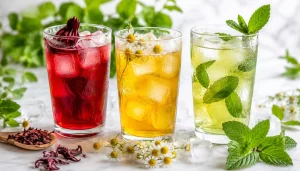
Iced version: Brew double strength, strain, cool to room temperature, and refrigerate. Serve over ice with fresh mint.
Making a Dry Blend for Convenience
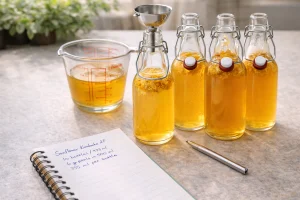
If you brew this anti inflammatory tea recipe regularly, pre-mixing a dry spice blend saves time. Combine in a small glass jar:
- 4 tablespoons turmeric powder
- 2 tablespoons dried ginger, cut
- 1 teaspoon black pepper, TBC
- 1 tablespoon cardamom, cut and sifted
- 2 tablespoons dried lemon or orange peel
- 2 tablespoons peppermint, cut and sifted
Use 2 rounded teaspoons of the dry blend per 1.25 cups of water. Simmer for eight minutes, steep covered for five minutes, then strain.
Safety
Turmeric is widely consumed as a food spice and is generally well tolerated at culinary amounts. At higher doses it may interact with blood-thinning medications and is not recommended in large amounts during pregnancy. Black pepper in the quantities listed here is safe for nearly everyone. Ginger has a long safety record; at high doses it may have mild blood-thinning effects. Peppermint may aggravate acid reflux in some individuals. This tea is not intended to diagnose, treat, cure, or prevent any disease. Consult a qualified healthcare provider if you have specific health concerns or take prescription medications.
Troubleshooting
The tea is gritty: Turmeric powder does not fully dissolve. Double-straining through a cloth or coffee filter eliminates grittiness. Whisking vigorously also helps.
The color is dull: Fresh, high-quality turmeric produces vivid golden-orange. Older turmeric produces a paler result. Store turmeric in an airtight container away from light.
The tea is too bitter: Reduce simmer time to six minutes and cut black pepper to a very small pinch. Adding coconut milk or honey balances bitterness.
The tea is too spicy: Fresh ginger is more potent than dried. Switch to 0.5 teaspoon dried ginger and reduce black pepper.
Peppermint overwhelms: Reduce to 0.5 teaspoon and add only after removing from heat.
Storage and Quality
Brewed tea should be consumed within 24 hours. Larger batches can be refrigerated for up to three days. Reheat gently on the stovetop. For the dry blend, store in a sealed glass jar away from heat and sunlight. Properly stored, the blend holds quality for up to 12 months, though best flavor is within six months. Quality matters with turmeric. Bulk turmeric from Hatton Naturals provides the vibrant color and aroma that make this anti inflammatory tea recipe worth making repeatedly.
FAQ
How often can I drink this anti inflammatory tea recipe?
Most people drink one to two cups per day on an ongoing basis without issues. Turmeric and ginger are culinary spices consumed regularly in South and Southeast Asian diets at similar amounts.
Can I use turmeric root instead of powder?
Yes. Fresh turmeric root (a 1-inch piece, grated) can substitute. Simmer with the other roots for the full ten minutes. Increase to a 1.5-inch piece to compensate for lower concentration.
Is this the same as golden milk?
They are closely related. Golden milk uses a milk base rather than water. This anti inflammatory tea recipe uses water with optional milk, making it lighter and more suitable as a daytime drink.
Can I drink this tea cold or iced?
Absolutely. Brew as a concentrate and serve over ice. The spices remain flavorful when chilled, and peppermint shines in the cold version.
Does the tea stain cups?
Turmeric is a potent natural dye and will stain white ceramic and plastic. Use glass or dark-colored mugs and rinse immediately after use.
Can I add this blend to smoothies?
The dry spice mix works very well in smoothies. Add 0.5 to 1 teaspoon to any fruit-based smoothie with banana, mango, or pineapple.
What is the difference between this recipe and a turmeric supplement?
Supplement capsules deliver standardized curcumin at much higher doses. This recipe operates at culinary, food-level amounts with the full spectrum of compounds in whole turmeric. Neither is universally superior; they serve different purposes.
Can children drink this tea?
In small amounts and diluted form, turmeric and ginger have long histories as culinary spices safe for older children. The amounts in this recipe may be too strong for young children. Consult your child’s pediatrician.
This anti inflammatory tea recipe is one of the most practical additions to a daily wellness routine. With quality ingredients from Hatton Naturals, a saucepan, and 15 minutes, you will have a vivid, warming, traditionally inspired cup that supports your body’s natural balance every single time.