Fenugreek Seed Uses: Kitchen to Wellness
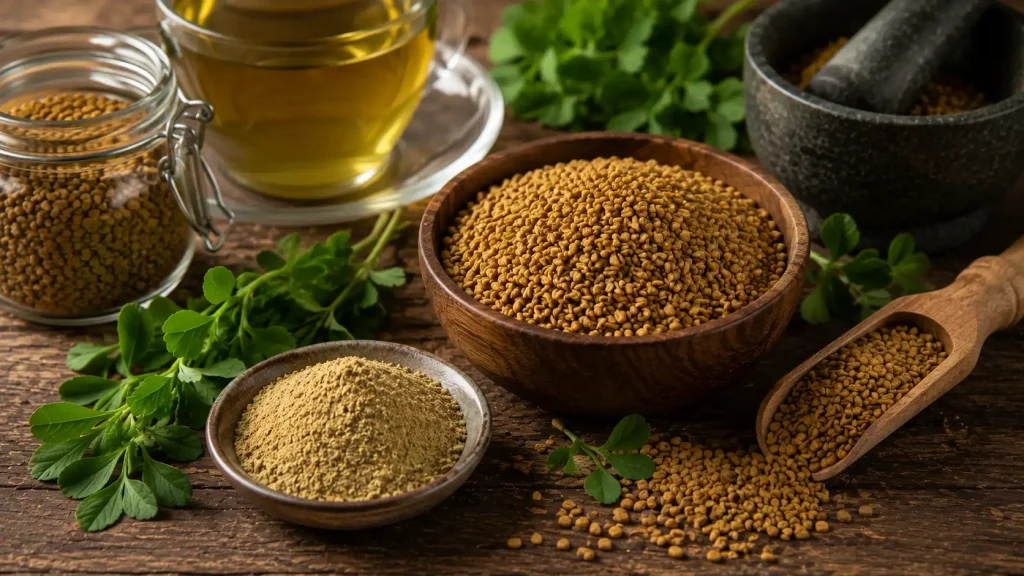
Fenugreek seed uses span an impressive range, from the spice rack to traditional herbal preparations that have been valued across cultures for thousands of years. Fenugreek (Trigonella foenum-graecum) is a legume native to the Mediterranean region and South Asia, and its small, hard, amber-colored seeds have a distinctly bitter, slightly sweet flavor. Furthermore, the aroma of toasted fenugreek is complex — earthy, nutty, and reminiscent of maple syrup.
This guide explores fenugreek seed uses in the kitchen and in traditional wellness practices, along with practical guidance on preparation methods, flavor pairings, and storage. Additionally, you will learn how to work with fenugreek as a whole seed, ground powder, and brewed tea.
The Flavor Profile of Fenugreek Seeds
Raw fenugreek seeds taste intensely bitter and are rarely used without preparation. Toasting or cooking the seeds transforms their flavor dramatically, mellowing the bitterness and drawing out a deep, rich warmth. The seeds contain a compound called sotolone, which is also found in maple syrup — this is why fenugreek is sometimes used in artificial maple flavoring.
The distinctive fenugreek flavor occupies an unusual space in the spice world. It is bitter, sweet, and savory all at once. Moreover, its flavor bridges South Asian, Middle Eastern, and Ethiopian culinary traditions with remarkable ease. This versatility is one reason fenugreek seed uses are so widespread across global cuisines.
Whole fenugreek seeds have a much longer shelf life than ground powder, making them practical for home cooks who use them occasionally. Toasting and grinding fresh batches as needed preserves the full aromatic complexity.
Fenugreek in the Kitchen: Cooking Methods
Toasting is the most common preparation step for whole fenugreek seeds. Place dry seeds in a skillet over medium heat and toast for two to three minutes, stirring constantly, until they turn golden and fragrant. Be careful not to let them burn — dark brown seeds become excessively bitter.
Tempering, or tadka, is a cornerstone of South Asian cooking that often includes fenugreek seeds. The seeds are added to hot oil at the beginning of cooking, before other ingredients. As a result, they infuse the cooking fat with their flavor, which then coats every element of the dish.
Fenugreek seeds pair particularly well with cumin seeds and coriander seeds in blended spice preparations. These three seeds appear together frequently in South Asian spice blends, including panch phoron (Bengali five-spice) and various curry masalas.
Grinding Fenugreek Seeds Into Powder
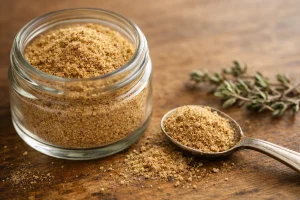
Ground fenugreek is a common ingredient in spice blends. You can grind toasted whole seeds in a spice grinder or coffee grinder dedicated to spices. Freshly ground fenugreek is significantly more aromatic and flavorful than pre-ground powder that has been sitting in a container for months.
Ground fenugreek is a component of many commercial curry powder blends, though in small amounts. It contributes depth and subtle bitterness that rounds out the overall spice profile. Additionally, it appears in sambar powder, Ethiopian berbere, and Middle Eastern spice mixes.
Fenugreek powder is convenient when you need to add the spice quickly to sauces and marinades without whole seeds. However, many experienced cooks prefer to start with whole seeds and grind them to order for the best flavor results.
Traditional Wellness Uses of Fenugreek Seeds
Fenugreek seed uses in traditional wellness extend across Ayurvedic, Unani, and folk herbal traditions. In Ayurveda, fenugreek is classified as a warming herb with a bitter and pungent taste. It has been used traditionally to prepare herbal teas, seed soaks, and spice-based preparations.
In folk herbalism, fenugreek seeds were traditionally steeped in warm water and consumed as a morning tonic in certain South Asian households. The soaked seeds were also eaten directly after soaking overnight to soften their texture and reduce bitterness. Furthermore, soaked fenugreek is much gentler on digestion than raw seeds.
To brew fenugreek seed tea, lightly crush one teaspoon of seeds with a mortar and pestle to crack them open. Steep in eight ounces of boiling water for five to seven minutes. Strain and drink plain, or with a small amount of honey. The flavor is warming and earthy, not unlike roasted grain tea.
Fenugreek Seed Uses in Traditional Food Cultures
In Ethiopian cooking, fenugreek appears in berbere spice blend and is used in injera bread preparations. In Egyptian cuisine, whole fenugreek seeds are sprouted and eaten as a vegetable. On the other hand, in India, fresh fenugreek leaves (methi) are used as a leafy green, while the seeds go into pickles, chutneys, and spice blends.
Middle Eastern cooks use fenugreek in traditional breads and pastries. The seeds also appear in Yemeni coffee spice blends (hawaij) alongside cardamom and ginger. Similarly, fenugreek is used in Greek and Roman culinary history, which is reflected in its scientific name, Trigonella foenum-graecum — literally “Greek hay.”
This global spread of fenugreek seed uses reflects just how deeply embedded this spice is in human culinary history. Consequently, learning to cook with fenugreek opens a door to a wide range of world cuisines.
How to Store Fenugreek Seeds Properly
Whole fenugreek seeds are among the most durable spices in your pantry. Their hard, dense structure protects the volatile aromatic compounds from degradation far better than leafy dried herbs. Stored in an airtight container away from light and heat, whole seeds remain potent for two to three years.
Ground fenugreek powder loses its aromatic intensity more quickly, typically within six to twelve months of grinding. For this reason, buying seeds and grinding in small batches produces significantly better culinary results. Store ground powder in a dark, tightly sealed container.
Avoid storing fenugreek near the stove or other heat sources. Temperature fluctuations accelerate the oxidation of aromatic oils. A cool, dark spice drawer or pantry cabinet is ideal for long-term storage of all your whole spices.
Important note: This article discusses fenugreek seed uses in culinary and traditional wellness contexts for educational purposes only. Fenugreek is not intended to diagnose, treat, cure, or prevent any disease. If you have a medical condition or are pregnant, consult your healthcare provider before consuming fenugreek in medicinal amounts.
Frequently Asked Questions
How bitter are fenugreek seeds raw versus toasted?
Raw fenugreek seeds are intensely bitter and are rarely eaten plain. Toasting for two to three minutes in a dry pan mellows the bitterness significantly and develops a warm, nutty, maple-like aroma. The transformation is dramatic and essential for most culinary applications. Over-toasting, however, increases bitterness again, so watch the seeds carefully.
What dishes are best for showcasing fenugreek seed uses?
Fenugreek shines in South Asian dals, vegetable curries, pickles, and tadka. It also works well in Ethiopian-style stews and spice-rubbed meats. Start with a small amount — half a teaspoon in a dish for four servings — since fenugreek’s flavor is potent and builds in dishes that cook for a long time.
Can I sprout fenugreek seeds?
Yes. Fenugreek seeds sprout easily in two to three days when soaked overnight and then rinsed twice daily. The sprouts have a milder, slightly bitter flavor and are eaten as a fresh vegetable in some cuisines. Furthermore, sprouting reduces the bitterness of the raw seeds and increases their nutritional accessibility.
Are fenugreek seeds and fenugreek powder interchangeable in recipes?
Not directly. Whole seeds are used in tempering (frying in oil at the start of cooking) while powder is added to sauces and ground spice blends. If substituting one for the other, use roughly half a teaspoon of ground fenugreek for every one teaspoon of whole seeds. The flavor intensity and timing of addition will differ.
Explore whole fenugreek seeds and our full spice collection at Hatton Naturals and bring authentic flavor to your kitchen today.