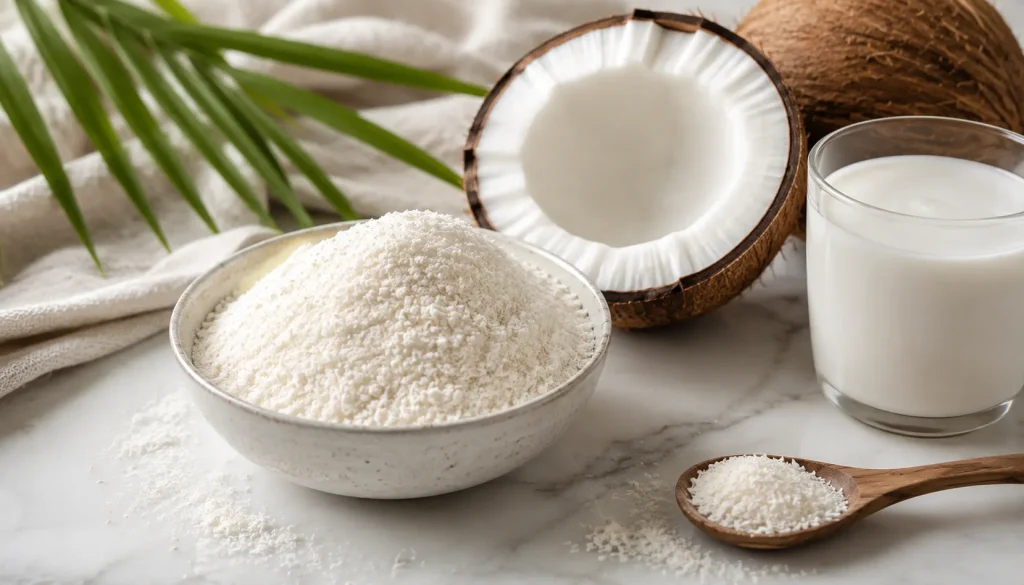
Coconut Milk Powder Uses: Kitchen to Lattes
Coconut milk powder uses go far beyond what most people expect from a shelf-stable pantry ingredient. This versatile powder dissolves into a rich, creamy liquid that performs like fresh coconut milk in almost every recipe. Whether you are making a golden morning latte or a slow-cooked Thai curry, coconut milk powder delivers consistent results without the hassle of canned milk.
Understanding how to use it well opens up a wide range of culinary possibilities. This guide covers everything from basic reconstitution to creative applications, storage tips, and product selection advice.
What Is Coconut Milk Powder?
Coconut milk powder is made by spray-drying fresh coconut milk into a fine, shelf-stable powder. The process removes moisture while preserving the natural fat content and coconut flavor. Quality products contain coconut milk as the primary ingredient, sometimes with a small amount of tapioca starch or maltodextrin to prevent clumping.
The fat content varies by product. Full-fat versions produce a thick, rich milk ideal for cooking. Lower-fat options work better in beverages where you want a lighter body. Always check the label to understand what you are buying, since fat content directly affects texture and richness.
Compared to canned coconut milk, the powder offers a distinct advantage: no waste. Canned milk often goes bad if you only need a small amount for a recipe. The powder lets you measure exactly what you need and seal the rest for later.
How to Reconstitute Coconut Milk Powder
Reconstituting coconut milk powder is straightforward. The standard ratio is two to four tablespoons of powder per one cup of warm water. Use warm water rather than cold — it helps the powder dissolve more completely and evenly.
Whisk vigorously for about thirty seconds, or use a small blender for a silkier result. If any lumps remain, let the mixture sit for a minute and whisk again. The final liquid should be smooth and opaque, similar to canned coconut milk.
You can adjust the ratio to control richness. More powder produces a thicker, creamier liquid. Less powder gives you a thinner coconut milk similar to the lite canned versions. Experiment with ratios to find what works best for your recipe.
Coconut Milk Powder Uses in Beverages
One of the most popular coconut milk powder uses is in hot drinks. It dissolves quickly into hot coffee, matcha, or herbal tea, creating a creamy, dairy-free alternative to regular milk or creamer. The coconut flavor is mild enough that it complements most drinks without overpowering them.
For a simple coconut latte, stir two tablespoons of powder directly into eight ounces of hot coffee. Add a pinch of cinnamon or cardamom for extra warmth. The result is a smooth, frothy drink with a subtle tropical undertone.
Golden milk is another excellent application. Combine coconut milk powder with turmeric, black pepper, ginger, and a touch of honey. Whisk with hot water for a soothing, warming beverage. Smoothies also benefit from a tablespoon or two of powder for creaminess without added liquid.
You can find premium organic coconut milk powder at Hatton Naturals, available in bulk for everyday use.
Cooking with Coconut Milk Powder
In cooking, coconut milk powder performs exceptionally well in curries, soups, and sauces. You can add it two ways: mix it with water first to create liquid coconut milk, or stir the dry powder directly into the dish and let it dissolve during cooking.
The direct addition method works especially well in dry rubs, spice blends, and baked goods. A tablespoon of coconut milk powder in a curry spice rub adds richness to meats before they hit the pan. In soups, stir it in during the last five minutes of cooking so it does not scorch.
Thai green curry, Indian korma, and Caribbean rice all call for coconut milk as a base. Coconut milk powder delivers the same creamy, slightly sweet backdrop that makes these dishes distinctive. Use the reconstituted version just as you would canned milk — the results are nearly identical.
For desserts, coconut milk powder shines in panna cotta, ice cream, and puddings. It adds a clean coconut flavor without additional liquid, which helps maintain the right consistency in custards and mousse.
Baking and Cooking Applications
Bakers have discovered that coconut milk powder integrates beautifully into dry mixes. Add it to pancake mix, cake flour, or muffin batter for a subtle tropical flavor and added moisture. Unlike liquid coconut milk, the powder does not change the wet-to-dry ratio in your recipe.
For homemade coconut flour pancakes, blend two tablespoons of coconut milk powder into the dry ingredients. When you add water or eggs, the powder rehydrates and creates a tender, flavorful batter. The result is noticeably richer than pancakes made without it.
Coconut rice is a simple weeknight staple that benefits from the powder. Replace a portion of the cooking water with reconstituted coconut milk, or simply stir a tablespoon of powder directly into the pot. The rice absorbs the coconut flavor as it cooks, producing a fragrant side dish that pairs well with grilled meats and vegetables.
For an even richer result in desserts and sauces, try organic coconut cream powder, which has a higher fat content and delivers a thicker, more indulgent texture.
Coconut Milk Powder in DIY and Personal Care
Beyond the kitchen, coconut milk powder finds a role in DIY personal care. Many people use it in homemade bath soaks, where it dissolves in warm water to create a moisturizing soak. The natural fats in coconut milk can leave skin feeling soft after bathing.
Hair masks are another creative use. Mix coconut milk powder with water and a few drops of essential oil to create a conditioning treatment. Apply to dry hair, leave on for twenty minutes, then rinse thoroughly. The result is a simple, customizable hair treatment made from a pantry staple.
Face masks that combine coconut milk powder with honey and oatmeal are popular in natural skincare communities. These are entirely personal care applications — the coconut powder simply provides a convenient, shelf-stable base.
Storage and Shelf Life
Proper storage extends the life of coconut milk powder significantly. Keep it in an airtight container away from heat, moisture, and direct sunlight. A cool, dark pantry is ideal. Under these conditions, quality powder will stay fresh for twelve to twenty-four months.
Moisture is the main enemy. Even brief exposure to steam or humidity can cause clumping or spoilage. Always use a dry spoon when measuring, and reseal the package immediately after use.
Refrigeration is not necessary for unopened powder, but it can extend freshness once the package is opened. If you live in a humid climate, consider transferring the powder to a glass jar with a tight-fitting lid for better protection.
Note: This post covers culinary and general uses of coconut milk powder. It is not intended as medical or nutritional advice. Consult a qualified healthcare provider for dietary guidance specific to your needs.
Frequently Asked Questions
Can you use coconut milk powder in coffee directly without mixing with water first?
Yes, you can stir coconut milk powder directly into hot coffee. Use two to three tablespoons per cup and stir vigorously. Hot liquid dissolves the powder quickly. For an even smoother result, use a milk frother or small blender to emulsify the powder completely.
How much coconut milk powder equals one can of coconut milk?
Most cans of coconut milk contain about thirteen to fourteen ounces. To replace one can, use approximately four to five tablespoons of coconut milk powder dissolved in one and a half to two cups of warm water. Adjust based on your preferred richness.
Is coconut milk powder the same as coconut cream powder?
They are similar but not identical. Coconut cream powder has a higher fat content, typically twenty percent or more. It produces a thicker, richer liquid. Coconut milk powder is slightly lighter. Both work in cooking, but coconut cream powder delivers more richness in desserts and sauces.
Does coconut milk powder work in cold drinks?
It can work in cold drinks, but it dissolves better in warm liquids. For cold beverages like smoothies or iced coffee, blend the powder with a small amount of warm water first to dissolve it completely, then add cold ingredients. This prevents gritty texture in the final drink.
Ready to stock your pantry? Shop organic coconut milk powder and coconut cream powder at Hatton Naturals — available in bulk with free shipping over $50.