Yerba Mate Health Benefits for Tea Makers
Yerba mate health benefits are one reason this South American herb continues to attract tea drinkers, herbalists, and beverage makers around the world. Long valued in traditional use, yerba mate offers a distinctive balance of grassy depth, gentle bitterness, roasted notes, and an energizing character that feels different from ordinary black tea or coffee. For many people, the appeal is not only about stimulation. It is also about ritual, flavor, and the way mate can anchor a daily beverage routine with a strong botanical identity.
From an herbalist perspective, yerba mate is interesting because it sits at the meeting point of tradition and function. It has a long history of use in shared drinking culture, but it also works beautifully in modern loose-leaf blending, tea sachets, sparkling tea concepts, and ready-to-drink formulations. Tea makers often appreciate that it brings body, a lasting finish, and a naturally full profile without needing heavy flavoring. When paired well, it can feel bright, grounding, clean, or warming. That flexibility explains why conversations around yerba mate health benefits keep growing among people who care about both botanical character and practical beverage design.
What Yerba Mate Is and Why Herbalists Keep Returning to It
Yerba mate comes from Ilex paraguariensis, a South American tree whose leaves and stems are dried and cut for infusion. Traditional preparations vary by region, but the core sensory idea remains consistent: a green, toasty, robust infusion with a lingering herbal bitterness and satisfying texture on the palate.
Part of the interest in yerba mate health benefits comes from the herb’s natural composition. It contains caffeine and a broad range of plant compounds that make it appealing to people seeking a more ritualized, herb-forward alternative to coffee. Herbalists often describe mate as stimulating yet rooted. It tends to feel more botanical than sharp, especially when brewed with restraint.
For tea makers, this matters because yerba mate is not a delicate background herb. It can carry a blend. It can also support citrus, spice, mint, and floral notes without disappearing. A strong place to begin is with Yerba Mate Leaf C/S when building energizing tea blends, sparkling herb bases, or morning sachet formulas.
Yerba Mate Health Benefits in Traditional Herbal Practice
When people search for yerba mate health benefits, they are often looking for a clean explanation of why this herb has remained popular for so long. In traditional herbal practice, yerba mate is commonly used as a stimulating beverage herb. It is often chosen for alertness, focus, and a sense of daily readiness, especially in place of heavier caffeinated drinks.
Herbalists also tend to value the way mate participates in a routine. It is frequently used not as a one-time novelty but as a repeated daily infusion with strong cultural meaning. That alone tells you something important. Herbs that stay in use across generations usually offer a combination of pleasant ritual, reliable preparation, and desirable sensory effect.
From a formulation standpoint, yerba mate may support the feeling of structure in a beverage line. It gives a blend purpose. Its bitterness can sharpen sweeter ingredients, and its grassy backbone can make citrus peels and cooling leaves feel more intentional. For a bright traditional pairing, try Organic Lemon Peel C/S to lift mate with a clean, aromatic citrus edge.
Flavor Profile and Why It Works So Well in Tea Blends
A lot of the fascination around yerba mate health benefits starts with function, but people stay with mate because of flavor. Good yerba mate has depth. Depending on cut and processing style, it can show notes of hay, green wood, toast, tobacco-like dryness, or even soft cocoa-like warmth. That gives tea makers room to build in multiple directions.
If you want a brighter cup, pair mate with citrus peel and mint. If you want a more grounding profile, build around roots and spice. If you want a smoother daily blend, add flowers or aromatic leaves that soften the edges without erasing the mate character.
For example, Organic Peppermint Leaf C/S can bring lift and cooling contrast to heavier mate lots. Cinnamon Chips C/S can make the finish feel rounder and more familiar, especially in cooler-weather blends. Tulsi Leaf C/S is another useful choice when you want an aromatic herbal layer that feels clear and balanced rather than sweet.
The best blends do not hide yerba mate. They frame it.
Brewing Ratios for Loose Tea, Concentrates, and Blend Trials
A practical discussion of yerba mate health benefits should include brew math, because extraction shapes the final experience as much as the herb itself. Overbrewed mate can become rough and dusty. Underbrewed mate can taste thin and flat.
For a daily loose infusion:
Use 6 to 8 grams of yerba mate per 350 ml of water. That is about 2 to 2 1/2 teaspoons, depending on cut density. Steep at 75 to 85°C for 4 to 6 minutes.
For a stronger tea-house style service:
Use 10 grams per 400 ml. That is about 3 teaspoons. Steep at 80°C for 5 minutes, then strain well.
For a blend trial with citrus:
Use 7 grams yerba mate plus 1 gram lemon peel per 350 ml. In volume terms, that is about 2 teaspoons mate plus 1/2 teaspoon peel. This creates a brighter profile without letting the peel dominate.
For a concentrate intended to dilute over ice or sparkling water:
Use 20 grams total herbs per 500 ml water. A reliable starting point is 16 grams yerba mate plus 4 grams supporting herbs. Steep at 80°C for 8 minutes, then dilute 1:1 when serving.
If you want the cup to feel warmer and rounder, try Ginger Root C/S in small percentages. Even 0.5 to 1 gram per serving can noticeably change the finish.
How Tea Makers Can Build Better Yerba Mate Blends
Tea makers interested in yerba mate health benefits usually do well when they stop thinking only in terms of “benefits” and start thinking in terms of beverage architecture. What role should mate play? Backbone, top note carrier, or dominant herb?
For a morning blend, mate works well as 60 to 75 percent of the formula, with the rest made up of aromatic support. For a smoother afternoon blend, dropping mate to 40 to 55 percent often gives a more relaxed flavor balance while still keeping its character.
A few reliable directions:
Bright and clean
Yerba mate + lemon peel + peppermint. This is crisp, aromatic, and especially useful for iced tea concepts. Try adding Organic Peppermint Leaf C/S for a cooler finish that keeps the blend lively.
Warm and spiced
Yerba mate + ginger + cinnamon. This leans toward comfort and structure. Use Cinnamon Chips C/S when you want a fuller aroma without powdered sediment.
Soft and rounded
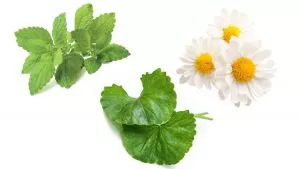
Yerba mate + chamomile + tulsi. This creates a more layered herb profile and softens the harder edge of mate. Try Chamomile Flowers Whole where a calmer floral note is needed in a daily blend. Add Tulsi Leaf C/S for aromatic lift and a more complex herbal finish.
Troubleshooting Yerba Mate Blends and Finished Drinks
Even a strong herb can perform poorly if the process is off. This is where many tea makers refine their understanding of yerba mate health benefits, because the drink has to be pleasant to be used consistently.
Flat flavor
Usually caused by too little herb, water that is too cool, or stale stock. Increase the mate slightly before extending steep time too far.
Too tart
This often comes from overusing citrus peel or adding acidic ingredients to a concentrate. Reduce peel percentage and check dilution. Mate itself is bitter, not tart.
Over-carbonation
If you are using mate in sparkling tea or naturally carbonated beverage trials, keep sugars controlled and fermentation monitored. Mate can pair well with sparkling formats, but pressure can rise quickly if the base is sweetened and packaged too early.
Sediment
Fine particles are common with cut herbs. Use a tighter filter, a longer settling period, or a secondary strain. Avoid crushing the blend during handling.
Aroma loss
Heat, light, and repeated air exposure strip the brighter aromatic notes first. Small-batch packing and airtight storage make a visible difference.
A simple way to refresh a dull mate profile is to add a modest amount of Organic Lemon Peel C/S or Tulsi Leaf C/S rather than forcing a longer extraction.
Storage + Quality
If you want consistent results from yerba mate, storage discipline matters. Keep it airtight, protected from humidity, and away from direct light. Even when the herb still looks acceptable, aroma can fade before appearance does.
A good lot of mate should smell active and clean. Depending on style, expect grassy, toasted, woody, or slightly sweet dry notes. If the scent feels dusty, weak, or lifeless, the brewed cup will probably follow. Color also offers clues. A healthy-looking cut should retain natural green-to-olive tones with a fresh dried-herb appearance, not a faded gray cast.
Supporting herbs need the same care. Citrus peels should remain aromatic. Mint should still smell cool and bright. Flowers should not smell flat or papery. For blend makers, the best practice is to store components separately and blend closer to packing time whenever possible.
For smoother shelf performance in custom blends, Chamomile Flowers Whole and Cinnamon Chips C/S often hold their identity well when stored correctly.
Safety
Any article about yerba mate health benefits should be careful with language. Yerba mate is an herb used traditionally as a beverage, not a medicine claim vehicle. It may support alertness and ritual well-being in the context of normal beverage use, but it should not be described as treating or curing conditions.
Because mate naturally contains caffeine, sensitivity varies from person to person. Start with moderate serving sizes if you are new to it or formulating for a broad audience. Herbalists and tea makers should also remember that hotter, stronger, and more concentrated preparations create a more intense experience.
The most compliant way to talk about mate is simple: it is traditionally used as an energizing herbal beverage, valued for its bold flavor, daily ritual, and botanical complexity.
Why Interest in Yerba Mate Keeps Growing
The ongoing curiosity around yerba mate health benefits makes sense once you taste the herb in context. It is strong without being crude, traditional without feeling old-fashioned, and adaptable enough for both classic infusion and modern beverage design. For herbalists, it carries history. For tea makers, it offers structure, aroma, and flexibility.
That combination is rare. A good yerba mate can stand on its own, but it also welcomes citrus, mint, spice, and soft floral support. When brewed with care and stored properly, it becomes more than a caffeine source. It becomes a daily plant ritual with real sensory presence.
If you are building blends for morning use, iced service, or modern herbal tea offerings, yerba mate health benefits will continue to draw attention, but the real staying power comes from flavor, preparation, and thoughtful formulation.
FAQ
What are yerba mate health benefits traditionally associated with?
Yerba mate health benefits are traditionally associated with alertness, daily ritual use, and a stimulating herbal character that many people enjoy instead of coffee.
Does yerba mate contain caffeine?
Yes. Yerba mate naturally contains caffeine, which is one reason it is often used in morning or daytime blends.
What does yerba mate taste like?
It usually tastes grassy, herbal, slightly bitter, and sometimes gently toasted or woody depending on the cut and processing style.
How much yerba mate should I use per cup?
A practical starting point is 6 to 8 grams per 350 ml of water, or about 2 to 2 1/2 teaspoons.
What herbs pair well with yerba mate?
Lemon peel, peppermint, ginger, chamomile, tulsi, and cinnamon all pair well when used in balanced proportions.
Can yerba mate be used for iced tea?
Yes. It works especially well as a concentrate diluted over ice, and it also performs nicely in sparkling tea concepts.
How should yerba mate be stored?
Keep it in an airtight container away from humidity, heat, and direct light to preserve aroma and flavor.
Is it appropriate to make medical claims about yerba mate health benefits?
No. It is better to describe traditional use, flavor, and general beverage qualities in compliant herbal language.