Minimum Order Quantities: Why Small Buyers Deserve Better
If you have ever tried to source quality herbs for a small business, you know the frustration. You find a supplier with exactly what you need, fill out an inquiry form, and then receive a response that your order is too small. Minimum order quantities of 50, 100, or even 500 pounds shut out small tea brands, independent herbalists, startup supplement companies, and boutique skincare makers from accessing the same quality ingredients that large corporations use. The search for wholesale herbs no minimum order restrictions leads many small buyers through a maze of brokers, middlemen, and compromises on quality. It does not have to be this way. Small buyers deserve access to premium, certified organic botanicals without being forced to commit capital they do not have or warehouse space they cannot spare.
This article examines why the traditional MOQ model exists, how it fails small businesses, and where to find suppliers like Hatton Naturals that offer flexible purchasing options. Whether you are launching a new product line, testing a recipe, or running a business that simply does not need 200 pounds of lavender at once, understanding the wholesale herbs no minimum order landscape will help you source smarter and grow your business on your own terms.
Why Most Suppliers Set Minimum Order Quantities
Before addressing solutions, it helps to understand why MOQs exist in the first place. Suppliers set minimum order requirements primarily to manage logistics costs and operational efficiency.
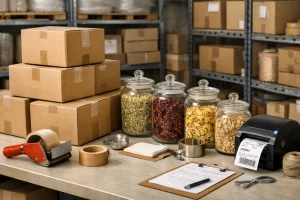
Processing a small order requires many of the same steps as processing a large one. The warehouse team must locate the product, weigh it, package it, label it, generate documentation, and arrange shipping. Whether the order is two pounds or 200 pounds, the administrative time is similar. For suppliers operating on thin margins, small orders can be unprofitable when the handling cost exceeds the revenue generated.
Shipping economics also favor larger orders. Freight costs per pound decrease as shipment size increases, making per-unit shipping for small orders disproportionately high.
However, none of these factors mean small buyers should be excluded entirely. Smart suppliers have found ways to serve small buyers profitably while maintaining quality.
The Real Cost of High MOQs for Small Businesses
High minimum order requirements create several problems for small and growing businesses that go beyond the obvious financial burden.
Capital lock-up: Committing thousands of dollars to a single herb ties up capital that could fund marketing, equipment, or other inventory. A startup tea company buying 100 pounds of eight herbs has invested heavily before selling a single unit.
Storage burden: Most small businesses operate from modest facilities. Storing large quantities requires space, climate control, and inventory systems that add overhead.
Quality risk: A small business that takes 18 months to sell through a large order may find the last batches have lost potency or aroma. This leads to waste.
Formula limitations: High MOQs discourage experimentation. Innovation suffers when buyers cannot source wholesale herbs no minimum order commitments for trial quantities.
What Buyers Should Know About Flexible Sourcing
The wholesale herb market is evolving, and not every supplier operates on the old high-MOQ model. Here is what to look for when searching for flexible sourcing options.
Hatton Naturals offers bulk organic herbs with purchasing flexibility that accommodates businesses of all sizes. Their online shop allows buyers to order the quantities they actually need rather than the quantities a supplier dictates. This model works because the company has optimized its fulfillment processes for variable order sizes.
When evaluating any supplier offering wholesale herbs no minimum order restrictions, verify the following. First, confirm that product quality is the same regardless of order size. Some suppliers reserve premium inventory for large buyers and fulfill small orders with older or lower-grade stock. Second, check that pricing is transparent. Per-unit prices may be higher for smaller quantities, and that is fair, but the pricing should be clearly published. Third, ensure that certificates of analysis and organic certifications apply to the specific lot you receive.
How Small Buyers Can Maximize Value
Even without mandatory minimums, there are strategies that help small buyers get the best value from their herb purchases.
Consolidate orders: Rather than placing many small orders throughout the month, plan ahead and combine your needs into fewer, larger shipments. This reduces per-order shipping costs and often qualifies you for better pricing tiers.
Start with bestsellers: Focus your initial inventory on proven products. Chamomile flowers, peppermint leaf, lavender flowers, and ginger root are staples that sell consistently across tea, wellness, and culinary markets.
Use the catalog strategically: Review the full product catalog to plan seasonal offerings. Order smaller test quantities of specialty items like lemon myrtle or schisandra berry before committing to larger runs.
Track turnover: Monitor how quickly each herb sells and adjust your order quantities accordingly. Data-driven purchasing prevents both stockouts and overstock situations.
Sourcing and Quality Indicators for Small Orders
One concern small buyers sometimes have is whether they receive the same quality as larger accounts. With a reputable supplier, the answer should always be yes. Here is how to verify.
Every product should come with a lot number that traces back to a specific production batch. Request the certificate of analysis for your lot number. This document should include identity testing, moisture content, microbial counts, and heavy metals results. Hatton Naturals provides COA access so buyers can verify quality independently.
Inspect your order upon arrival. Open each container and check for consistent color, strong aroma, proper texture, and absence of foreign material. Turmeric powder should be deep golden-orange. Hibiscus cut and sifted should show deep crimson calyces. If anything falls short, contact the supplier immediately.
The ability to order small quantities actually serves quality assurance. You can test a new supplier or a new product with a modest order before scaling up. This reduces risk compared to committing to large volumes sight unseen.
Popular Products for Small Business Buyers
Certain herbs consistently appear in small business orders because they serve multiple markets and move quickly. If you are building or expanding your inventory, consider these versatile products.
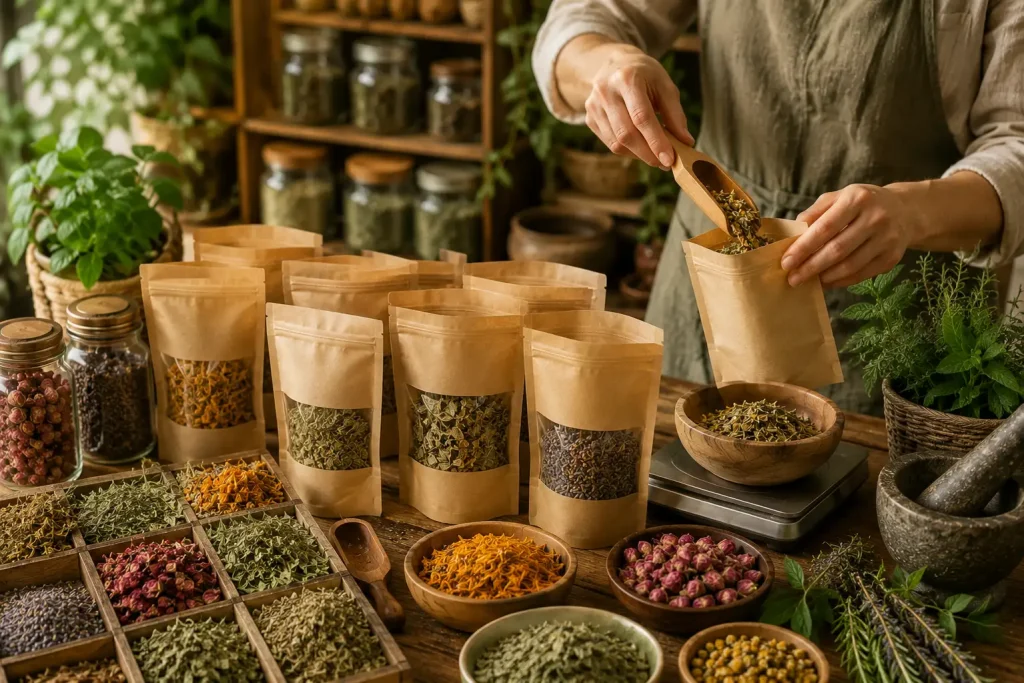
Chamomile flowers whole are essential for any tea business. They also serve the wellness, bath and body, and natural skincare markets. Their universal appeal makes them a low-risk inventory item.
Peppermint leaf is another foundational product. It blends with almost any other herb, works as a standalone tea, and has applications in personal care products. Lavender flowers serve tea, aromatherapy, sachets, skincare, and culinary markets.
For businesses focused on wellness, ashwagandha powder and moringa powder are in high demand. The wholesale herbal tea category also provides blending staples like rooibos red and hibiscus that small tea companies can use to build their lines.
Building a Relationship with Your Supplier
Finding a supplier that offers wholesale herbs no minimum order barriers is the first step. Building a productive long-term relationship is what sustains your business growth.
Communicate your needs clearly. If you are a seasonal business with predictable demand spikes, let your supplier know in advance. If you are testing new products, explain your timeline so the supplier can advise on shelf life and order quantities.
Provide feedback. If something falls short, report it promptly. Good suppliers value feedback from all accounts, regardless of size.
As your business grows, your order sizes will naturally increase. A supplier that supported you when you were small will be a strong partner as you scale.
Safety Considerations for Herb Purchasing
Regardless of order size, safety and compliance should never be compromised. Small businesses face the same regulatory requirements as large ones when it comes to the products they sell.
If you sell herbal products to consumers, you are responsible for safety. Source from suppliers who provide proper documentation and test their products to industry standards. Never purchase from suppliers who cannot provide basic quality documentation simply because prices are lower.
Allergen management is important if you handle multiple products in a small facility. Maintain clean equipment, dedicated containers, and proper labeling for all ingredients.
Store all herbs according to best practices regardless of quantity. Even a few pounds deserve proper temperature control, sealed packaging, and protection from light.
Frequently Asked Questions
Can I really buy wholesale herbs no minimum order?
Yes. Suppliers like Hatton Naturals offer bulk organic herbs without mandatory minimum order quantities. You can purchase the amount you need, from small test quantities to large production runs.
Will I pay more per pound for smaller orders?
Typically yes. Per-unit pricing often decreases as order volume increases. This reflects the fixed costs of order processing and shipping. However, the overall investment is lower, which is often more important for small businesses managing cash flow.
How do I know the quality is the same for small orders?
Request the certificate of analysis for your specific lot number. The COA should be identical regardless of whether the order is five pounds or 500 pounds because it reflects the batch quality, not the order size. Visit the COA search page to verify.
What is the best way to start if I am a new buyer?
Begin with a small order of three to five core products that you know you will use. Evaluate the quality, packaging, and service. Then expand your range gradually. Browse the shop to see what is available and start with proven sellers like chamomile, peppermint, and lavender.
Do suppliers offering no minimum orders also offer wholesale pricing?
Many do. Wholesale pricing is typically available at specific volume thresholds. Even without a mandatory minimum, you can access better per-unit pricing by ordering larger quantities voluntarily. Ask your supplier about their pricing tiers.
Can I mix different products in a single order to reduce shipping costs?
Absolutely. Combining multiple products into a single shipment is one of the best strategies for small buyers. It maximizes the value of each shipping charge and allows you to stock a diverse inventory without placing multiple separate orders.
What if I need a product that is out of stock in small quantities?
Contact the supplier directly. Many suppliers can accommodate special requests or provide estimated restock dates. Building a relationship with your supplier gives you better visibility into inventory availability and upcoming shipments.
Are there advantages to buying wholesale herbs no minimum order versus retail?
Yes. Even small wholesale orders offer better per-unit pricing than retail. You also get bulk packaging, certificates of analysis, lot traceability, and direct supplier relationships that retail channels cannot provide.
Conclusion
The traditional wholesale model that shuts out small buyers with rigid minimum order quantities is giving way to more flexible approaches. Finding wholesale herbs no minimum order restrictions means you can test products, manage cash flow, and grow at your own pace without sacrificing quality. Explore bulk organic herbs and wholesale herbal tea options to start building your inventory with a supplier that values businesses of every size.