Cumin Tea: How to Make Jeera Water at Home
Cumin tea is a simple, savory drink made by steeping cumin seeds in hot water. In India, people call it jeera water, and many families drink it after meals. The flavor is warm, earthy and slightly smoky. This guide shows you three easy ways to make it, plus blends, common mistakes and storage tips.
You only need whole seeds, water and a few minutes. Because the method is so simple, small details make a big difference. So let’s look at ratios, timing and the little tricks that turn a plain cup into a daily ritual.
What Is Cumin Tea?
Cumin (Cuminum cyminum) is a small plant in the parsley family. Its seeds are one of the most widely used spices on earth. They flavor curries, chili, tacos and spice blends across many cuisines.
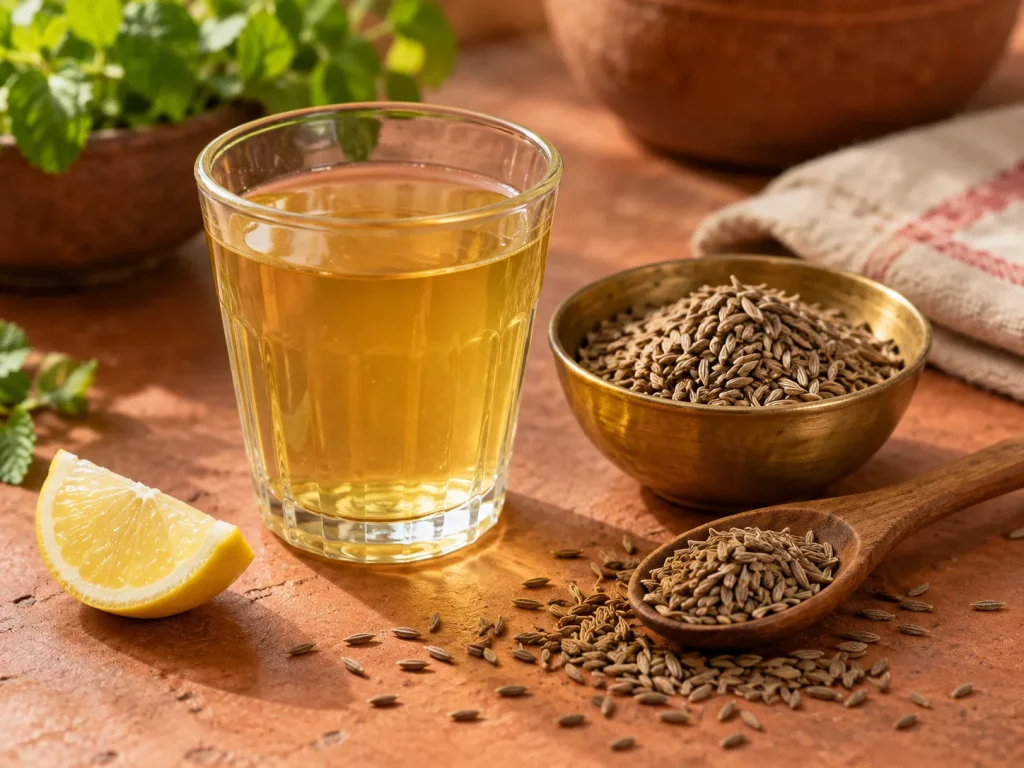
When you steep the seeds, their aromatic oils move into the water. The result is a light golden drink with a familiar, comforting aroma. Our organic cumin seeds are whole and work perfectly for this tea.
Cumin shares its plant family with fennel, coriander, caraway and dill. In fact, many people confuse cumin with caraway because the seeds look alike. However, cumin seeds are slightly longer and lighter in color. They also smell much more pungent. That bold aroma comes from natural compounds such as cuminaldehyde.
Jeera Water in Tradition and History
Cumin is one of the oldest spices people still use. Archaeologists have found cumin seeds at ancient sites in Syria and Egypt. Ancient Egyptians cooked with it, and Greek and Roman cooks kept it on the table. In fact, they used it much like we use black pepper today.
From the Mediterranean, the spice traveled along trade routes to Persia and India. Today, India grows and uses more cumin than any other country. As a result, jeera water became part of everyday home life there. Many grandmothers still keep a pot of it warm after a big family lunch.
How Cumin Tea Is Traditionally Used
In Ayurvedic and home kitchen traditions, cumin tea is often sipped after a heavy meal. People also drink it warm in the morning. It is a common part of the daily routine in many Indian and Middle Eastern households.
Some families also serve it during festive seasons, when meals are rich and long. Others simply prefer it to plain hot water because it has more flavor. Meanwhile, in Iran and parts of North Africa, cumin often joins other warm spices in homemade infusions.
These are cultural and traditional uses. If you have a digestive concern, it is best to speak with your healthcare provider.
How to Make Cumin Tea at Home
There are three common methods. The boiled method gives the strongest cup. The overnight method is the mildest. Meanwhile, the quick steep sits in between and needs only a kettle.
For all three, start with a basic ratio. Use 1 teaspoon of whole cumin seeds for every 1 to 1 1/2 cups of water. Then adjust to taste. If you like a bolder cup, use up to 2 teaspoons.
Boiled Method
- Add 1 teaspoon of cumin seeds to a small pot.
- Pour in 1 1/2 cups of water.
- Bring to a boil, then lower the heat.
- Simmer for 5 to 7 minutes, until the water turns light gold.
- Strain and let it cool slightly before drinking.
Some water evaporates while it simmers. So you end up with about one full cup. If the flavor feels too strong, simply add a splash of hot water.
Overnight Method
This version is milder and very easy. First, soak 1 teaspoon of seeds in a glass of water overnight. In the morning, warm the water and seeds for a few minutes. Then strain and drink. Some people simply drink the soaked water without heating it.
Quick Steep Method
- Lightly crush 1 teaspoon of seeds in a mortar and pestle.
- Place the crushed seeds in a mug or tea infuser.
- Pour 1 cup of water just off the boil, about 200°F, over the seeds.
- Cover the mug and steep for 8 to 10 minutes.
- Strain, taste and add lemon or honey if you like.
Crushing opens the seeds, so the oils release faster. Also, the lid keeps the aroma in your cup instead of in the air. This method is handy at the office or when you travel.
Flavor Tips and Spice Blends
For a deeper, nuttier taste, toast the seeds first. Simply heat them in a dry pan for 1 to 2 minutes until fragrant. Be careful, though, because cumin burns quickly.
In addition, cumin tea pairs well with other kitchen spices:
- Organic fennel seeds add sweetness.
- Organic ginger root adds a spicy warmth.
- Organic green cardamom gives a floral note.
- Organic true Ceylon cinnamon brings gentle sweetness.
A classic Indian trio combines cumin, coriander and fennel. Finally, a squeeze of lemon and a little honey brighten any version. The table below gives simple starting ratios for one cup.
| Blend | Add to 1 tsp cumin | Flavor |
|---|---|---|
| Cumin, coriander and fennel | 1/2 tsp coriander seeds and 1/2 tsp fennel seeds | Balanced and lightly sweet |
| Cumin and ginger | 1/2 tsp dried ginger root or 3 thin fresh slices | Warm and spicy |
| Cumin and cardamom | 2 lightly crushed green pods | Floral and aromatic |
| Cumin and cinnamon | 1/2 tsp Ceylon cinnamon pieces | Soft and sweet |
| Cumin and mint | 4 or 5 fresh mint leaves after straining | Cool and fresh |
| Cumin and lemon | Juice of 1/4 lemon after straining | Bright and tangy |
Start with one extra spice at a time. That way, you learn how each one changes the cup. Then build your own house blend once you find a favorite.
Serving Ideas
Cumin tea is not only a hot drink. For example, many cooks use the strained liquid as a light base for soups and lentils. It also works well for cooking rice, because it adds a subtle savory note. In addition, you can mix chilled jeera water with lemon, a pinch of salt and fresh mint for a summer cooler.
Some people also blend it into buttermilk, a popular drink in India called chaas. Simply whisk half a cup of cooled cumin tea with half a cup of plain buttermilk. Then add a pinch of roasted ground cumin on top. The result is tangy, savory and very refreshing on a hot afternoon.
Common Mistakes to Avoid
Cumin tea is forgiving, but a few habits can spoil the flavor. Here are the most common ones:
- Burning the seeds: Toasted cumin turns bitter in seconds. So stay at the stove and remove the pan as soon as you smell it.
- Using old seeds: Seeds that smell faint give a flat, dusty cup. For this reason, rub a few between your fingers before you brew.
- Boiling too long: Simmering for more than 10 minutes can pull out harsh notes. Keep it between 5 and 7 minutes.
- Skipping the strainer: Loose seeds sink and keep steeping. As a result, the last sips taste much stronger than the first.
- Too much sweetener: Cumin has a savory character. A little honey helps, but a lot hides the spice.
Cooking With Cumin vs Drinking It
Cumin tea is a gentle way to enjoy the spice. Cooking, on the other hand, usually uses toasted or ground cumin to build bold flavor. For example, Indian cooks often fry whole seeds in hot oil at the start of a dish. This technique, called tadka, releases the aroma into the whole meal.
The good news is that one jar of whole seeds covers both uses. You can brew a cup in the morning and season dinner at night. If you want to use the seeds in your meals as well, read our guide to cumin seed cooking. You may also like our post on coriander vs cilantro.
Not sure which spice to stock next to your cumin? Take our quick curry spice quiz to find your match.
How to Choose and Store Cumin Seeds
Good cumin seeds look olive brown and fairly uniform. They should be whole, with few stems or broken pieces. In addition, they should release a strong, warm smell when you crush one. If the aroma is weak, the seeds are likely old or poorly stored.
Keep whole cumin seeds in a sealed jar away from heat and light. Whole seeds stay fresh far longer than ground cumin. In general, they keep good flavor for about two to three years. Ground cumin, by contrast, fades within six months to a year.
Precautions
Cumin is a common food spice, but large medicinal amounts are a different matter. If you are pregnant, nursing or taking medication, check with your doctor before drinking cumin tea every day. Also, people with allergies to plants in the parsley family should be careful.
Frequently Asked Questions About Cumin Tea
Is cumin tea the same as jeera water?
Yes. Jeera is the Hindi word for cumin. Jeera water and cumin tea both refer to cumin seeds steeped or boiled in water.
Can I use ground cumin for cumin tea?
You can, but it makes a cloudy, gritty drink. Whole seeds give a cleaner cup and are easier to strain.
What does cumin tea taste like?
It tastes warm, earthy and slightly bitter, with a nutty aroma. Toasting the seeds makes it smoother and richer.
Can I drink cumin tea cold?
Yes. Brew it with the boiled method, then chill it in the fridge. Serve it over ice with lemon and a few mint leaves. It keeps well for two days in a closed jar.
Can I reuse the seeds for a second cup?
You can, although the second cup will be lighter. Simmer the used seeds a little longer, about 8 minutes. After that, add them to rice or soup instead of throwing them away.
Start Brewing Your Own Jeera Water
Cumin tea takes only a few minutes, yet it brings centuries of tradition to your kitchen. Start with the basic ratio, then explore toasting and blends. Soon you will find the version that suits your taste.
Ready to try it? Pick up a bag of our organic cumin seeds and brew your first cup today.