Bulk Organic Herbs Online Buying Guide
Buying bulk organic herbs online can feel efficient and modern right up until the box arrives and the herbs tell a different story than the listing did. A flower that looked vivid on the product page may arrive faded. A mint that sounded fresh may smell tired. A root that was supposed to be cut and sifted may show up dusty, uneven, or overbroken. That disconnect is where confidence is lost, margins get thinner, and product development becomes harder than it needs to be. For tea makers, herbal brands, formulators, and small shops, the goal is not only to find inventory. It is to buy with enough clarity that the herbs work as expected once they are in your hands.
The good news is that sourcing does not have to stay mysterious. Most of the guesswork disappears when you know what to check before ordering, what to test when the herbs arrive, and how to compare one supplier against another in a practical way. Good sourcing is partly sensory, partly operational, and partly administrative. You look at cut size, color, and aroma. You check packaging, documentation, and consistency. You ask better questions. When all of that comes together, buying herbs online becomes much less risky and much more repeatable.
Why buying bulk organic herbs online can work so well
There is a reason so many businesses prefer bulk organic herbs online rather than relying only on local distribution. Online sourcing gives broader selection, easier comparison, and access to ingredients that smaller local channels do not always carry in useful cuts or commercial volumes. For a tea maker or herbal product company, that reach matters. It lets you compare leaf grades, flower appearance, root cuts, and pack sizes without wasting weeks chasing samples through limited channels.
It also helps businesses scale more rationally. You can start with smaller case quantities, evaluate performance, and move up to larger volumes once the herbs prove themselves. That creates better cash control. It also prevents a common sourcing mistake, which is overcommitting before you understand how a specific lot behaves in the blend room or in finished products.
If you want a starting point for browsing broader assortments, look through bulk organic herbs online when building or refreshing your ingredient list. If your business spans both tea and culinary applications, wholesale herbs and spices can help widen the sourcing lens and reveal which suppliers really understand commercial buyers.
What to check before you place an order
A clean product page is not the same thing as a clean herb. Before buying, check the details that actually predict performance. Start with herb form. Is it whole, cut and sifted, powdered, or tea bag cut? That matters because the same plant behaves differently in different formats. A coarse chamomile works well in loose tea. A fine peppermint may be harder to strain in some applications. A root that is too broken can create dust and muddy infusions.
Next, check whether the listing tells you enough about organic status, origin, and handling. A serious supplier should make it easy to understand what the herb is, how it is offered, and whether there is certification or documentation behind it. You do not need ornate language. You need useful clarity.
Also look for volume options, lot consistency, and packaging descriptions. If the herbs are packed carelessly, quality often drifts before the product even reaches the shelf. For tea blending and daily herbal work, keep staple ingredients like chamomile flowers and peppermint leaf on your watch list because they reveal a supplier’s standards very quickly. These are common herbs, but they still separate careful sellers from careless ones.
How to read quality from photos, descriptions, and specs
When you cannot smell the herb before buying, you need to learn how to read clues from what the supplier gives you. Photos matter, but only when you read them critically. Look for realistic color, visible texture, and a view that actually shows the herb clearly. If every image is stylized so heavily that cut size and real appearance are unclear, treat that as a small warning sign.
Descriptions should tell you something operational. A useful listing mentions whether a flower is whole, whether a root is cut and sifted, whether a leaf is fine or coarse, and sometimes even what the expected appearance or aroma profile is. Good descriptions do not need to be long. They just need to reduce uncertainty.
Specifications help even more, especially for commercial buyers. If you are regularly purchasing bulk organic herbs online, ask whether the supplier can support specification sheets, certificates when needed, or lot-level information for repeat purchases. That matters if you formulate for sale or need consistency from batch to batch. For visual tea blends, calendula petals are a good benchmark because color loss and handling quality show up quickly. For warming pantry applications and spice-forward formulas, ginger root c/s is another useful test ingredient because it reveals freshness, cut quality, and aroma integrity very clearly.
How to compare suppliers without wasting time
Most buyers waste time comparing the wrong things. They compare only price, or only website presentation, or only shipping speed. A better method is to compare suppliers using the same practical checklist every time.
Start with these questions:
- Is the herb offered in the cut or format you actually need?
- Is the organic status clear?
- Are sample sizes or smaller trial quantities available?
- Is the packaging likely to protect the herb?
- Does the supplier understand commercial use cases?
- Are common staple herbs presented well enough to build confidence?
- Can you buy consistently over time, not just once?
When you buy bulk organic herbs online, a supplier is not only selling plant material. They are also selling predictability. Predictability saves labor, reduces reformulation, and protects your customer experience. That is why one cheap order can be more expensive in reality if the herbs arrive weak, dusty, or inconsistent.
To make comparisons practical, pick 3 to 5 benchmark herbs and test them across suppliers. Chamomile, peppermint, ginger, and calendula work well. If your formulas use sweeter spice notes, cinnamon chips are another strong benchmark because stale lots reveal themselves fast.
Sample testing: the fastest way to remove guesswork
Sampling is where online sourcing stops being theoretical. A good sample order should answer a few simple but important questions. Does the herb look clean? Does it smell alive? Does the cut fit the intended use? Does the infusion or formula behave the way you expected?
For tea herbs, a small infusion trial tells you a lot. Use controlled ratios:
- Leaf herbs: 2 grams per 240 ml water (about 2 teaspoons), steep 5 to 7 minutes
- Flower herbs: 2.5 to 3 grams per 240 ml water (about 2 teaspoons), steep 5 minutes
- Root herbs: 3 to 4 grams per 240 ml water (about 2 teaspoons), steep 7 to 10 minutes or decoct lightly
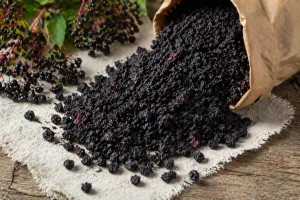
Run side-by-side tests if possible. The differences are usually obvious once the cup is in front of you. Color, body, clarity, and finish reveal much more than a sales page can. If you are testing for broader pantry and seasonal blending potential, elderberries can be a useful sample because they reveal how well the supplier handles dense, dark fruit ingredients that need both good storage and good turnover.
Pricing, shipping, and order strategy
Online buying only feels simple until freight and pack size start distorting the numbers. This is where many buyers misread value. A lower list price does not always mean a lower real cost. Shipping, minimum order quantities, pack size, breakage risk, and packaging standards all change the true landed cost.
A sensible buying strategy usually starts with smaller evaluation orders, then moves to larger buys once the herb has passed both sensory and operational testing. This approach protects cash flow and avoids overstocking a material that looked good online but does not perform well in use.
When comparing costs, ask yourself:
- What is the real delivered price per pound or kilo?
- Will the cut cause waste?
- Is the packaging good enough to reduce loss?
- Will the herb store well through my turnover cycle?
- Is a slightly higher price worth it if consistency improves?
Businesses that buy bulk organic herbs online successfully usually think beyond the first invoice. They think about reordering stability, customer satisfaction, and labor saved in sorting, straining, or reformulating weak material.
Troubleshooting
Even with a careful process, online herb buying can still create surprises. Here are the most common ones and how to respond.
Flat flavor
This often points to old stock, weak turnover, or poor storage before shipment. Re-test with a controlled infusion. If the herb is still dull, move on rather than trying to compensate in your formula.
Too tart
This is more about ingredient selection than herb quality alone. Some suppliers may offer cuts or companion ingredients that push a blend sharper than expected. Rebuild the balance instead of forcing it with sweeteners.
Over-carbonation
If you use herbs in ferments or sparkling beverages, online-sourced herbs can still change how active a batch becomes. Test small. Document lot behavior. Do not scale blindly.
Sediment
This usually comes from overly fine cut, breakage in transit, or powder-heavy lots. Ask for coarser cuts when clarity matters.
Aroma loss
If a fresh shipment smells faint and tired on opening, storage and handling probably failed somewhere in the chain. Poor sealing and slow inventory movement are common causes.
Storage + Quality
The supplier’s job does not replace yours. Once the herbs arrive, quality becomes your responsibility. Store herbs airtight, dry, and away from direct light. Separate intensely aromatic materials from delicate flowers and leaves unless everything is well sealed. Watch humidity closely. Flowers fade fast in poor conditions. Leaves flatten. Roots absorb ambient odors more than many people expect.
Use simple cues every week. Check color. Check aroma. Check texture. Herbs should still feel botanically alive. A peppermint that smells flat or a calendula that has gone pale is already telling you something. Label all containers with arrival date and lot reference. Rotate stock properly. These habits matter even more when you buy in volume.
For gentle tea-building and colorful retail blends, calendula petals deserve especially careful storage because visual quality is part of their value. For warm pantry products and infusion work, cinnamon chips also benefit from good rotation because spice aromatics can drift quietly over time.
Safety
Buying online should never weaken your safety standards. Use correctly identified herbs from sellers that are transparent about what they offer. If you are making retail products, maintain lot records, ingredient traceability, and clear labels. Reject any lot that smells moldy, looks damp, or appears contaminated.
Keep your product language disciplined too. Good herbs do not need exaggerated claims. Focus on flavor, aroma, cut, brewing behavior, traditional use where appropriate, and overall sensory quality. That is especially important for commercial herbal brands. Trust comes from clarity, not hype.
For small businesses, safe practice also includes process discipline. Clean scoops, clean transfer containers, and controlled storage conditions prevent a lot of problems that are too often blamed on the supplier alone.
Choosing a supplier you can reorder from confidently
The best outcome is not simply one good order. It is a repeatable sourcing relationship. A strong supplier helps you buy with less friction because the herbs arrive looking, smelling, and performing the way you expected. Communication is clear. The lot holds up. Reorders feel familiar rather than risky.
That is the real goal behind buying bulk organic herbs online. Not speed for its own sake, and not the lowest number on the page. The goal is to build a system where the herbs you choose remain useful, beautiful, and commercially practical from one order to the next. Once you source that way, guesswork starts disappearing. You spend less time fixing problems and more time blending, brewing, packing, and selling with confidence.
FAQ
What should I check first when buying bulk organic herbs online?
Start with herb form, organic status, packaging details, and whether the listing clearly explains what you are actually buying.
Is the cheapest supplier usually the best option?
Not always. Freight, cut quality, waste, and consistency often matter more than the lowest posted price.
How can I tell if an herb will be good quality before ordering?
Read the listing for cut details, study realistic photos, and order samples whenever possible.
What herbs are best for supplier testing?
Chamomile, peppermint, calendula, ginger, and cinnamon are useful benchmark herbs because quality differences show up quickly.
Why do my herbs sometimes arrive with too much dust?
That usually points to fine cut, rough handling, weak packaging, or an herb that was already overly broken before shipping.
How should I store bulk herbs after delivery?
Keep them airtight, dry, away from light, and labeled with arrival date and lot reference.
Is bulk organic herbs online a good option for small businesses?
Yes. It often gives better selection, better scalability, and easier comparison than relying on limited local channels alone.