Best Organic Herbs for Kombucha Brewing (2026 Guide)
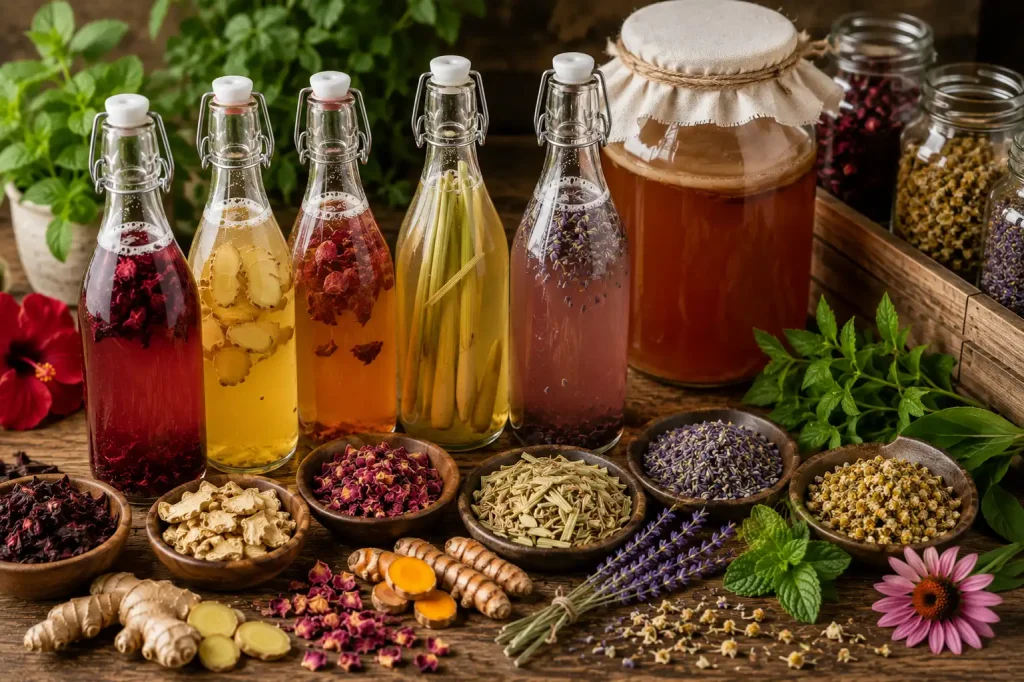
Kombucha brewers have long relied on tea leaves as their fermentation base, but organic herbs for kombucha open a world of flavor, color, and complexity that plain tea simply cannot match. Whether you brew at home for personal enjoyment or produce small commercial batches, incorporating dried botanicals into your second fermentation or even your primary brew transforms each bottle into something genuinely unique. Hibiscus flowers deliver vivid ruby tones and a tart berry punch. Ginger root brings warming spice and effervescence. Lavender adds floral calm, while lemongrass offers bright citrus notes without actual citrus fruit. The beauty of botanical kombucha lies in creative blending, and the quality of your ingredients determines the quality of your final product.
In this guide, we walk through eight outstanding botanicals that pair perfectly with fermented tea. You will learn what each herb contributes to flavor, aroma, and appearance, along with practical tips on quantities, timing, and storage. By the end, you will have everything you need to brew exceptional kombucha with confidence, using certified organic herbs sourced for purity and potency.
Why Organic Herbs for Kombucha Matter
Kombucha is a living beverage. The SCOBY culture that drives fermentation is sensitive to pesticide residues, artificial additives, and other chemical contaminants that can inhibit microbial activity. Choosing organic herbs for kombucha protects your culture and ensures a clean fermentation environment. Certified organic botanicals are grown without synthetic pesticides or herbicides, which means fewer unwanted compounds end up in your brew. Beyond safety, organic herbs tend to carry richer essential oil profiles because they are cultivated in healthier soils and harvested at peak potency. When you steep dried flowers or roots in warm kombucha, those oils infuse directly into the liquid, shaping flavor and aroma. For commercial brewers, organic certification also matters for labeling compliance and consumer trust. Investing in quality ingredients from the start pays dividends in every bottle.
Botanical Profile: Hibiscus Flowers
Hibiscus is arguably the single most popular botanical for kombucha flavoring. Organic Hibiscus Flowers Cut and Sifted deliver a deep crimson color and a bright, tart flavor reminiscent of cranberry and pomegranate. The natural acidity of hibiscus complements the tanginess of fermented tea beautifully, creating a balanced profile that appeals even to first-time kombucha drinkers. Hibiscus is rich in organic acids and anthocyanins, the pigments responsible for its striking hue. Use 3 to 5 grams per liter during secondary fermentation for a bold color and assertive tartness, or reduce to 2 grams per liter for a gentler pink blush. Hibiscus pairs wonderfully with ginger, lemongrass, and rose petals for layered blends.
Botanical Profile: Ginger Root
Ginger is the classic kombucha companion. Organic Ginger Root Cut and Sifted adds a warm, spicy kick that enhances carbonation and gives each sip a lively finish. The volatile oils in ginger, particularly gingerols and shogaols, contribute pungency that builds complexity without overpowering the base tea. Dried ginger root is easier to measure consistently than fresh ginger and carries a concentrated flavor profile. Start with 2 to 3 grams per liter in your secondary ferment and adjust upward for a spicier result. Ginger combines well with virtually every other botanical on this list, making it an essential building block in any kombucha herb collection.
Elderflower for Floral Elegance
Organic Elderflowers bring a delicate, honeyed sweetness and a subtle floral aroma that transforms kombucha into something reminiscent of a sparkling botanical cordial. Elderflower is prized in European beverage traditions for exactly this quality. When added during secondary fermentation, these tiny blossoms release gentle muscat-like notes and a faint vanilla undertone. Use 2 to 3 grams per liter for a soft floral touch. Elderflower pairs exceptionally well with lemon peel and chamomile for a summery blend that feels both elegant and refreshing.
Lavender for Calm and Aroma
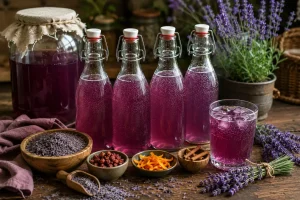
Lavender is a powerful aromatic that should be used with a measured hand. Organic Lavender Flower Whole contributes a perfumed, slightly sweet flavor with camphoraceous undertones. In kombucha, a small amount creates a soothing, spa-like drinking experience. Too much, however, can push the flavor toward soapy territory. Begin with just 1 gram per liter and taste after 24 hours before deciding whether to increase. Lavender works beautifully alongside lemongrass, where the citrus brightness tempers the floral intensity, or with chamomile for a double-floral relaxation blend. Many brewers find that lavender kombucha becomes a customer favorite once the balance is right.
Lemongrass for Citrus Brightness
Organic Lemongrass Cut and Sifted is a superb choice when you want citrus flavor without the acidity or unpredictability of fresh citrus juice. Lemongrass delivers a clean, lemony aroma with grassy undertones that feel light and tropical. It ferments predictably and does not introduce wild yeasts the way fresh fruit sometimes can. Use 3 to 4 grams per liter during secondary fermentation. Lemongrass is a natural partner for ginger in an energizing blend, and it also complements hibiscus beautifully, adding brightness to the berry tartness. This is one of the most versatile organic herbs for kombucha and belongs in every brewer’s pantry.
Rose Petals for Romance and Color
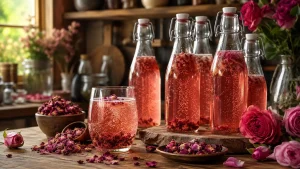
Organic Rose Petals add a soft pink hue and a subtle, sweet floral taste that is unmistakably rose. Unlike rose water or rose extract, dried petals infuse gently and never overwhelm the palate. They contribute a round, almost honeyed quality that smooths out the acidity of kombucha. Use 2 to 4 grams per liter and allow 24 to 48 hours of infusion. Rose petals pair naturally with hibiscus for a deep red floral blend, or with chamomile for a golden-pink tea that tastes as beautiful as it looks. For visual impact, a few whole petals floating in a clear bottle create an artisan presentation that customers remember.
Chamomile for Golden Smoothness
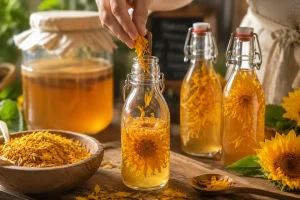
Organic Chamomile Flowers Whole bring a mellow, apple-like sweetness and a warm golden color to kombucha. Chamomile is one of the gentlest botanicals available, which makes it ideal for brewers who want flavor without sharp edges. It rounds out more assertive herbs and creates a smooth, sippable finish. Use 3 to 5 grams per liter. Chamomile works as a standalone flavor, producing a light, honey-toned kombucha, or as a blending base that ties together other botanicals. Try chamomile with lavender and a touch of lemon peel for a calming evening kombucha.
Peppermint for Cool Refreshment
Organic Peppermint Leaf Whole delivers bold menthol freshness that makes kombucha feel instantly cooling and invigorating. Peppermint is a strong flavor, so start with 1 to 2 grams per liter and increase only if you want an intensely minty result. The natural menthol in peppermint leaf pairs well with ginger for a warming-cooling contrast, or with hibiscus for a refreshing fruit-and-mint combination. Peppermint kombucha is especially popular during warmer months and makes an excellent base for mocktail recipes. Whole leaf peppermint infuses cleanly and strains out easily, leaving no sediment in the finished bottle.
How to Use Organic Herbs for Kombucha Brewing
The most common method for incorporating botanicals is during secondary fermentation. After your primary fermentation is complete and you have removed the SCOBY, transfer the kombucha to bottles or a secondary vessel and add your chosen herbs. Seal the container and allow 24 to 72 hours at room temperature for flavors to develop and carbonation to build. Strain out the botanicals before drinking or serving. For stronger infusions, you can also prepare a concentrated herbal tea, let it cool, and blend it into the kombucha before bottling. This approach gives you more control over flavor intensity. Always use clean, dry herbs and sanitized equipment. Measure herbs by weight for consistency between batches. A digital kitchen scale that reads in grams is an essential tool for any serious kombucha brewer.
Traditional and Modern Uses of Kombucha Botanicals
Many of the herbs popular in kombucha brewing have centuries of tradition behind them. Hibiscus has been brewed as a cold drink across North Africa and the Caribbean for generations. Ginger has appeared in fermented beverages throughout Asia for thousands of years. Elderflower cordials date back to medieval Europe, and chamomile tea is one of the oldest herbal preparations in recorded history. Modern kombucha brewers are simply continuing this long tradition of botanical fermentation, combining ancient ingredients with contemporary fermentation science. The rise of craft kombucha has created new demand for premium, certified organic herbs for kombucha production, as both home brewers and commercial producers seek clean, flavorful, and traceable ingredients. Suppliers like Hatton Naturals make it possible to source these botanicals in quantities that suit any scale of production.
Safety Considerations
While the herbs discussed in this guide have long histories of safe use in beverages, a few precautions apply. Always introduce one new botanical at a time so you can identify any sensitivities. Hibiscus may interact with certain medications, and peppermint can aggravate acid reflux in some individuals. Pregnant or nursing individuals should consult a healthcare provider before consuming herbal kombucha regularly. Ensure your herbs are free from mold, moisture damage, and foreign material before adding them to your brew. Never use herbs that have been treated with essential oils, fragrances, or preservatives. Organic certification and third-party testing, such as certificates of analysis available through your supplier, provide assurance of purity. When in doubt, review certificates of analysis for each ingredient.
Frequently Asked Questions
Can I use organic herbs for kombucha in the primary fermentation?
You can, but most brewers prefer to add herbs during secondary fermentation. The primary ferment relies on the SCOBY interacting with true tea (Camellia sinensis), and replacing all the tea with herbs may weaken the culture over time. A blend of tea and herbs in the primary is a safer approach.
How much dried herb should I use per bottle of kombucha?
A general starting point is 2 to 4 grams per liter. Potent herbs like lavender and peppermint require less, around 1 to 2 grams per liter. Milder herbs like chamomile and rose can go up to 5 grams per liter. Always start lower and increase in subsequent batches.
Do organic herbs for kombucha affect carbonation?
Herbs themselves do not produce carbonation, but they can influence it indirectly. Some botanicals contain residual sugars that feed yeast activity, potentially increasing fizz. Ginger is particularly known for promoting lively carbonation.
How long should I infuse herbs during secondary fermentation?
Most herbs reach good flavor extraction within 24 to 48 hours at room temperature. Delicate flowers like elderflower and chamomile may need only 12 to 24 hours. Roots and bark typically require the full 48 to 72 hours.
Can I combine multiple herbs in one batch?
Absolutely. Blending is where botanical kombucha truly shines. Start with two or three herbs per blend and keep notes on quantities so you can replicate successful combinations.
Should I use whole herbs or powdered herbs for kombucha?
Whole or cut-and-sifted herbs are strongly preferred. Powdered herbs create cloudy kombucha and are difficult to strain. Cut-and-sifted botanicals infuse cleanly and remove easily after steeping.
Where can I buy certified organic herbs for kombucha in bulk?
Specialty suppliers like Hatton Naturals offer USDA-certified organic botanicals in bulk quantities suitable for both home and commercial brewing. Look for suppliers that provide certificates of analysis and transparent sourcing.
Do I need to sterilize dried herbs before adding them to kombucha?
High-quality dried herbs from reputable suppliers do not require sterilization. The acidic environment of kombucha (typically pH 2.5 to 3.5) inhibits harmful bacteria. However, always inspect herbs visually and purchase from certified organic sources to minimize risk.
Brewing kombucha with organic herbs for kombucha flavoring is one of the most rewarding ways to elevate your craft. With eight versatile botanicals, clear measurements, and thoughtful blending, you can create a rotating lineup of flavors that keeps every batch exciting. Start with one or two herbs, master the balance, and expand your repertoire from there.