Valerian Root for Sleep: A Night Tea Routine
A well-made evening infusion can feel like a small ritual rather than just another drink, and that is part of what makes valerian root for sleep so interesting to tea makers and home herbalists alike. Valerian has a deep, earthy aroma that some people describe as woodsy, rooty, or even a little wild. Chamomile moves in the opposite direction with its soft apple-like scent and gentle floral lift. Together, they create a cup that feels grounded, warm, and unmistakably nighttime.
In traditional Western herbal practice, valerian has long been prepared as a late-evening herb, often paired with lighter flowers to make its strong character easier to enjoy. For modern tea drinkers, the appeal is not only the tradition but also the process. Measuring the herbs, heating the water properly, covering the cup to hold the aroma, and stepping away from bright screens for a few minutes can shape the whole experience. That is why this is more than a beverage recipe. It is a practical routine. When prepared with attention to ratio, steep time, and freshness, this kind of cup can become one of the simplest ways to mark the end of the day.
Why herbalists reach for valerian at night
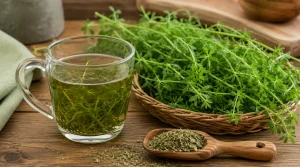
Valerian root has a long place in herbal traditions connected with evening use. Herbalists often choose it when they want a brew that feels heavier, earthier, and more settling than bright daytime herbs. It is not delicate. It brings body, aroma, and a distinctly root-based depth that makes it more suited to nighttime than to a light morning infusion.
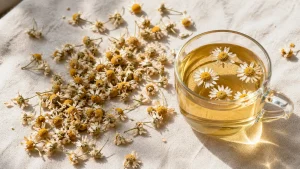
That deep profile is exactly why chamomile is such a useful partner. Whole chamomile flowers soften the edge, bring sweetness to the nose, and make the cup feel rounder. If you are blending for taste as much as function, the pairing works because each herb corrects the other. Valerian can seem too dense on its own. Chamomile can seem too airy on its own. Together they create balance.
For tea makers, this matters on a production level too. Strong roots usually need more care with steep time, grind size, and lid coverage than petals or leaves. A good nighttime infusion should smell full when the cup is uncovered and still taste clean at the finish. If you want a reliable base for evening blending, start with Valerian Root C/S and round it out with Chamomile Tea Whole Flowers.
How to brew valerian root for sleep
When people talk about valerian root for sleep, the most common mistake is making it either too weak or too aggressive. If the root is under-dosed, the infusion tastes watery and disappointing. If it is pushed too hard with boiling water and a long steep, the cup can turn muddy, sharp, or overly pungent.
The simplest home method is a covered infusion using freshly heated water just off the boil. Add the herbs to a teapot, French press, or covered mug. Pour the water over the blend, cover immediately, and let it sit undisturbed. Covering matters more than many people think because aromatic compounds escape quickly with steam. A lid helps keep the character of the herbs in the cup instead of in the air.
This is also a tea that benefits from slowness. Do not rush it. Warm the cup first if you can. Dim the lights. Let the aroma rise when you uncover it. The value here is sensory as much as practical. You are building a repeatable evening cue your body can recognize.
A dependable ratio in grams and teaspoons
For a dependable cup of valerian root for sleep, start with 4 grams of cut and sifted valerian root and 1.5 grams of whole chamomile flowers for 300 milliliters of water. In kitchen-spoon terms, that is roughly 2 teaspoons of valerian root and 2 to 3 teaspoons of chamomile flowers, depending on how fluffy the flowers are and how coarse the root cut is.
If you want a softer first cup, reduce the valerian to 3 grams and keep the chamomile at 1.5 to 2 grams. If you want a more aromatic cup without making it sweeter, increase the chamomile rather than the valerian. For best results, steep 12 to 15 minutes covered.
A useful production-minded method is this:
Start with 95 to 98°C water.
Use 3 to 4 grams valerian root.
Use 1.5 to 2 grams chamomile flowers.
Steep 12 to 15 minutes covered.
Strain well through a fine mesh filter.
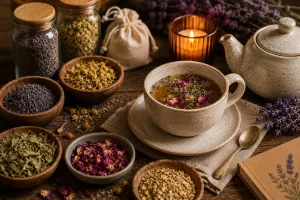
If you enjoy layered blends, a tiny amount of lavender flowers can add a high floral note, while a small pinch of tulsi leaves can make the finish feel greener and more rounded. Keep both subtle. Valerian should still lead the profile.
Building a nighttime tea routine that actually feels good
A practical way to use valerian root for sleep is to attach it to a fixed sequence rather than treating it as a random cup you make whenever you remember. Herbal routines work best when they are easy, repeatable, and pleasant enough to continue.
Try making the tea 45 to 60 minutes before you want the day to feel over. Put the kettle on first. While the water heats, lower the lights in one room, put away bright overhead screens if possible, and prepare your cup and strainer. Pour the infusion, cover it, and let the steeping time become part of the routine rather than dead time. That short pause matters.
If you want to shape the cup into more of a ritual, keep the mug the same each night and use the same surface or tray. Sensory repetition helps. The scent of the herbs, the warmth of the cup, and the quiet of those ten or fifteen minutes begin to act as signals.
For a cooling evening variation, make the blend slightly stronger, let it chill, then dilute over ice with a little still water. If you want a fresher aromatic edge, add a touch of spearmint to the blend. If the night feels cold or heavy, a little Organic Ginger Root C/S can make the cup feel warmer and more expansive without turning it into a daytime tea.
Flavor shaping and gentle pairings for tea makers
Valerian is one of those herbs that benefits from intelligent companions. Not because it needs to be hidden, but because good pairing turns a functional cup into one you genuinely want to make again. Chamomile is the first and best partner here because it softens the root without stealing its role.
After that, think in terms of direction. Do you want the cup more floral, more minty, more warm, or more green?
For a floral direction, add lavender flowers in a very small amount. Too much and the blend becomes soapy.
For a greener, softer herbal profile, try tulsi leaves.
For a fresher finish, use spearmint.
For a warming edge, a pinch of Organic Ginger Root C/S works well.
For visual beauty in a dry blend jar, a touch of calendula petals adds color and a mild soft note.
The best practice is restraint. Valerian and chamomile are already doing most of the work. Supporting herbs should shape the edges, not replace the center. If you are pre-blending for several nights at once, mix the dry herbs gently and store them in an airtight jar away from light and humidity. Blend enough for one week first. Then adjust.
Troubleshooting
If your valerian root for sleep tastes muddy, harsh, or simply disappointing, the problem is usually process rather than the herbs themselves.
Flat flavor
This usually means too little herb, stale material, or a steep that was too short. Increase the dose slightly, use fresher stock, and always cover the infusion.
Too tart
This can happen if you add acidic ingredients later or blend in fruit-heavy herbs. Keep this profile simple and root-floral. Chamomile, mint, tulsi, and lavender are better partners here than sour additions.
Over-carbonation
This only matters if you turn the infusion into a chilled sparkling drink later. Never bottle a sweetened tea and leave it at room temperature expecting a calm nighttime result. If you top it with sparkling water, do it at serving time.
Sediment
Cut and sifted roots can leave fine particles behind. Use a finer strainer, let the tea settle for a minute after pouring, or strain twice if appearance matters.
Aroma loss
Aroma escapes quickly with steam. Cover while steeping. Store herbs well. Open the jar only briefly. Old chamomile becomes dull fast, and old valerian loses part of its deep root character.
Storage + Quality
Good storage matters if you want valerian root for sleep to remain satisfying night after night. Roots and flowers both react badly to moisture, light, and repeated air exposure. Keep them in airtight jars or sealed pouches, away from steam, direct sun, and warm shelves near the stove.
Check the herbs with your senses. Valerian root should still smell distinctly earthy and alive. Chamomile should smell sweet, dry, and floral, not dusty. If the color has faded heavily or the scent seems weak the moment the container opens, quality is already slipping.
For pre-made blends, small batches are better than large ones. A week or two of dry blend is reasonable for home use. Beyond that, the floral notes often flatten. Keep a dedicated spoon in the jar so you are not introducing kitchen moisture repeatedly. If you care about clean cup quality, this simple habit helps more than most people think.
Safety
Even when using valerian root for sleep in a simple tea routine, it is important to keep the language and expectations grounded. This is a traditional herbal beverage, not a medical treatment. Herbalists often use valerian as part of an evening practice, and many people enjoy the sensory effect of a warm, earthy cup before bed, but it should not be framed as a cure, a guaranteed outcome, or a substitute for professional care.
Start modestly the first few times so you can judge flavor and personal preference. Avoid combining many heavy evening herbs at once just because more sounds stronger. Good blending is about balance, not overload. If you are pregnant, nursing, taking medication, or managing a health condition, it is sensible to check with a qualified professional before making valerian a regular part of your routine.
A calm routine, measured preparation, and high-quality herbs usually do more for the experience than simply pushing the dose.
FAQ
How much valerian root for sleep should I use?
For one 300 milliliter cup, 3 to 4 grams is a practical starting point. That is about 2 teaspoons of cut and sifted root, depending on density.
Do I need chamomile with valerian?
No, but it helps the blend taste rounder and more inviting. Chamomile also makes the aroma softer and more floral.
Should I simmer valerian root or just steep it?
For home tea use, a covered steep is usually enough when the root is cut and sifted. A long simmer can make the cup too heavy and muddy.
What does valerian tea taste like?
It is earthy, rooty, and strong. Some people find it musky. Chamomile, mint, or a trace of lavender can make it more approachable.
Can I make this blend ahead of time?
Yes. You can pre-blend the dry herbs for about one week at a time if stored airtight and away from humidity and light.
Is this tea better hot or chilled?
Most people prefer it hot at night because the aroma is part of the experience. A chilled version can work, but it feels less comforting.
Why does my tea smell stronger than it tastes?
That usually means the aroma is escaping during steeping or the brew is under-dosed. Cover the cup and strain only after a full steep.
A simple ending to the day
A simple cup of valerian root for sleep does not need to be complicated to feel meaningful. Good herbs, a measured ratio, proper covering, and a few quiet minutes can turn an ordinary mug into a reliable evening marker. The earthy depth of valerian and the soft floral lift of chamomile create a blend that feels traditional, sensory, and genuinely useful for people who enjoy making nighttime tea with intention.
Start simple. Adjust slowly. Keep the process clean. When the herbs are fresh and the routine is consistent, this kind of cup becomes less about chasing intensity and more about creating a calm, repeatable close to the day.