Astragalus Root Benefits: An Adaptogen
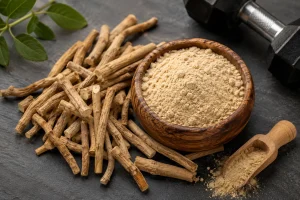
Astragalus root benefits have been central to traditional Chinese medicine for more than two thousand years, where the root — known as huang qi (黄芪) — is ranked among the most important tonic herbs in the entire pharmacopeia. Astragalus membranaceus grows across northern and eastern China, Mongolia, and Korea, producing long, fibrous yellow roots that are harvested, sliced, and dried for medicinal use. Modern herbalists in the West have embraced this ancient root for its adaptogenic and immune-supportive reputation.
What Makes Astragalus an Adaptogen?
An adaptogen is an herb that helps the body resist physical, chemical, and biological stressors without disrupting normal physiological function. Adaptogens were first defined by Soviet researcher Nikolai Lazarev in the 1940s, though the concept maps closely to what Chinese herbalists called “superior tonics” — herbs that strengthen the body’s fundamental vitality over time.
Astragalus root benefits include a broad range of bioactive compounds that support this adaptogenic classification. The root contains polysaccharides (notably astragalans), saponins (including astragalosides), flavonoids, and amino acids. These compounds work synergistically to modulate immune function, reduce oxidative stress, and support energy metabolism.
Furthermore, astragalus is classified as a Qi tonic in traditional Chinese medicine — an herb that builds and circulates the body’s vital energy, particularly associated with the lungs and spleen meridians. Herbalists traditionally use it for chronic fatigue, repeated illness, and general debility rather than acute conditions.
Astragalus Root Benefits: Traditional Chinese Medicine
In classical TCM formulas, huang qi appears in hundreds of compound prescriptions. It is most famously associated with the formula “Yu Ping Feng San” (Jade Windscreen Powder), a classic three-herb combination used traditionally to strengthen defensive Qi and reduce susceptibility to colds and respiratory illness.
TCM practitioners traditionally recommend astragalus as a long-term tonic to be taken consistently over months or years, building vitality gradually rather than providing an immediate stimulant effect. In other words, it is considered a foundational herb rather than an acute remedy. This perspective contrasts with Western pharmaceutical thinking but aligns with the concept of building resilience through sustained practice.
Traditional uses also include supporting digestion, promoting tissue healing, and gently warming the body — properties associated with astragalus’s sweet, warming energetics in TCM classification.
How to Use Astragalus Root
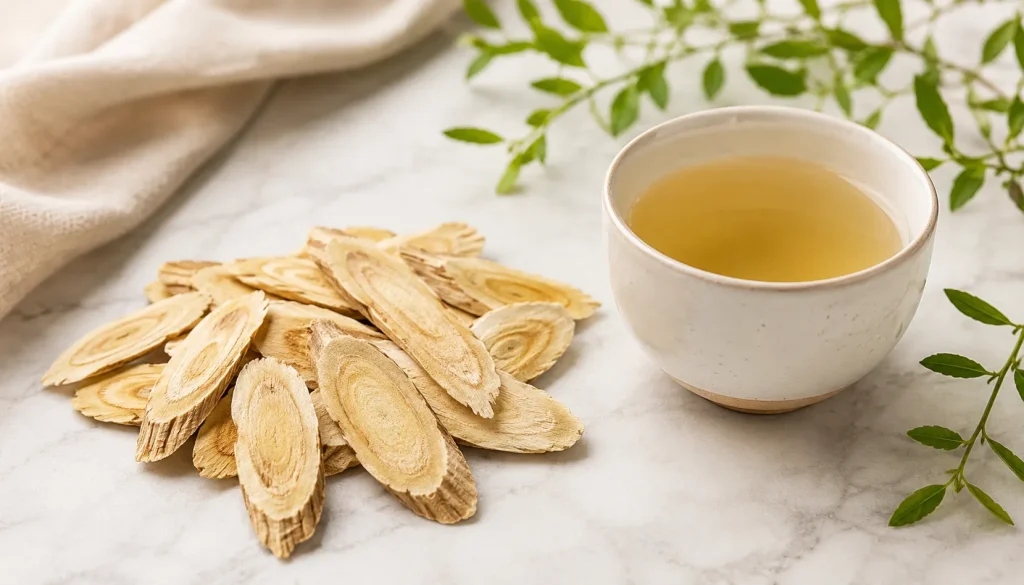
Astragalus root is typically used as sliced dried root, cut and sifted herb, or powder. The sliced root is traditional — long, flat, tongue-like pieces of yellow root that are added directly to soups, stews, and broths. In fact, cooking astragalus in liquid is one of the most effective ways to extract its water-soluble polysaccharides and saponins.
To make a simple decoction, place one to two tablespoons of astragalus cut and sifted in two cups of cold water. Bring to a boil, reduce heat, and simmer for twenty to forty-five minutes. Strain and drink the resulting liquid, which will be mildly sweet with an earthy, slightly hay-like flavor. The root pieces are not typically eaten — they are fibrous and tough.
Alternatively, add whole astragalus root slices to chicken soup, bone broth, or grain dishes during cooking, then remove before serving. This is the traditional Chinese culinary approach and integrates astragalus root benefits seamlessly into everyday cooking.
Astragalus and Immune Support
Modern research has focused significantly on astragalus’s effects on immune function. Studies suggest that astragalus polysaccharides stimulate macrophage activity, enhance natural killer cell function, and increase production of interferon — key components of the innate immune system. As a result, astragalus has attracted considerable interest from researchers investigating natural immune modulators.
Importantly, astragalus is generally described as an immune modulator rather than a simple immune stimulant. It appears to help calibrate immune responses rather than simply boosting them, which may explain its traditional use in autoimmune contexts. However, this distinction is important — those with autoimmune conditions should consult a healthcare provider before using astragalus regularly.
Pairing astragalus with other adaptogenic herbs is common in both TCM and modern Western herbal practice. Ashwagandha cut and sifted is a popular Ayurvedic adaptogen that complements astragalus well, with the two herbs offering overlapping but distinct mechanisms of stress adaptation.
Combining Astragalus with Other Herbs
Astragalus combines well with a range of herbs depending on the intended use. In TCM, it is frequently paired with ren shen (ginseng) for deeper Qi tonification, and with dang gui (angelica sinensis) for blood building. In Western practice, it is commonly combined with adaptogens like ashwagandha, eleuthero, and reishi mushroom.
For a warming digestive decoction, astragalus pairs nicely with ginger cut and sifted, which adds digestive warmth and anti-nausea properties to the blend. Similarly, adding licorice root to an astragalus decoction sweetens the flavor and provides additional adaptogenic support in the TCM tradition.
These blending possibilities reflect astragalus’s status as a foundational tonic herb — one that enhances and synergizes with many other botanicals rather than standing alone.
Buying and Storing Astragalus Root
Quality astragalus root should be pale to medium yellow in color with a mildly sweet, earthy aroma. Avoid root that is very pale or white, which may have been bleached, or root that smells musty or acrid. The cut and sifted form is convenient for decoctions, while whole sliced root is preferable for soup and broth applications.
Store astragalus root in an airtight container away from heat and light. Unlike more delicate leaf herbs, the dried root stores well for two to three years without significant quality loss. Consequently, buying in bulk can be economical for regular users.
Safety and Considerations
Astragalus is generally well tolerated by most healthy adults. However, because it modulates immune function, individuals with autoimmune diseases or those taking immunosuppressant medications should consult a qualified healthcare provider before use. Astragalus is not recommended during acute infections — TCM tradition holds that tonic herbs should not be used while the body is actively fighting illness, as they may “tonify the pathogen.” Pregnant or nursing individuals should seek professional guidance. This content is educational only and does not constitute medical advice.
Frequently Asked Questions
How long does it take to notice the effects of astragalus?
Astragalus is a long-term tonic, not an acute remedy. Traditional use involves taking it consistently for weeks to months before noticing cumulative effects on vitality, immunity, and stress resilience. Do not expect immediate results in the way you might from a stimulant herb like ginseng.
Can you eat the astragalus root pieces after making a decoction?
The root pieces are very fibrous and not pleasant to eat. Most traditional recipes call for removing them after cooking. The beneficial compounds are efficiently extracted into the liquid, so there is no benefit to consuming the spent root.
What is the difference between astragalus and ashwagandha?
Both are classified as adaptogens, but they come from different traditions. Astragalus is rooted in traditional Chinese medicine and is considered a Qi tonic with immune-focusing properties. Ashwagandha comes from Ayurvedic tradition and is more associated with nervous system support and stress reduction. Many herbalists use both for their complementary actions.
Is astragalus the same as milk vetch?
Yes. Astragalus is commonly called milk vetch in English, particularly in botanical contexts. The genus Astragalus is enormous — over three thousand species — but herbal use refers almost exclusively to Astragalus membranaceus and the closely related Astragalus mongholicus.
Astragalus root is one of the most thoroughly vetted tonic herbs in the global herbal tradition. Explore our full range of astragalus cut and sifted and adaptogenic herbs at the Hatton Naturals shop.