Clove Spice Recipes: 10 Easy Ways to Use Clove
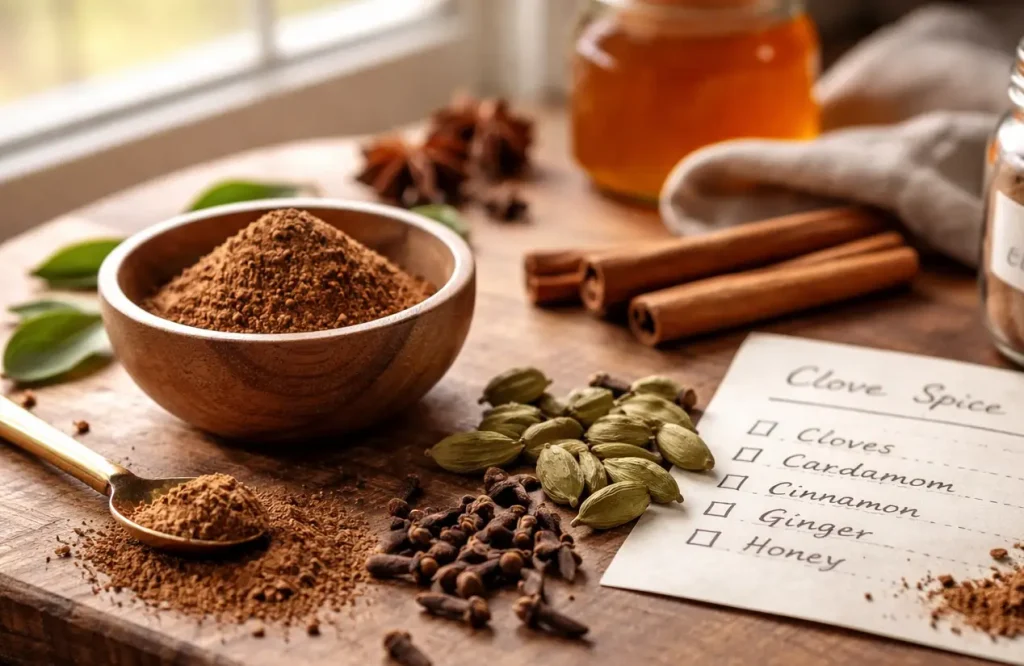
Clove is small but commanding: warm, resinous, slightly sweet, and almost “polished wood” in its aroma. In clove spice recipes, a little goes a long way, which is exactly why it is a favorite in production minded kitchens. It is easy to measure, easy to repeat, and strong enough to hold up in tea concentrates, syrups, baked goods, and kombucha 2F. The trick is not adding more clove. The trick is controlling extraction. If you pull too hard or dose too high, you get a sharp, drying edge that flattens everything else. If you extract gently and dose precisely, clove reads as cozy, clean warmth that makes citrus brighter, chocolate deeper, and fermentation feel “rounder.”
This guide gives you ten practical clove spice recipes you can rotate through all year, plus a strict, repeatable kombucha second fermentation method with two options (concentrate dosing recommended). Expect exact ratios in grams and teaspoons, batch notes you can reuse, and a few sensory checkpoints so you can catch problems before they land in the bottle.
Clove basics: flavor, cut, and why precision matters
Clove’s signature is powerful because its aromatic fraction is concentrated. That is great for consistency and scaling, but it punishes casual measuring. Treat clove like a “seasoning extract” rather than a background spice. In clove spice recipes, the best results usually come from one of two approaches: short contact time in hot liquid, or controlled dilution via syrup or tea concentrate.
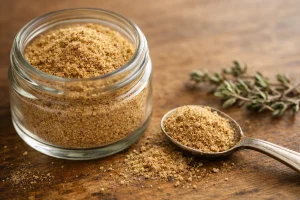
If you are using powder, you are working with fast extraction and more sediment risk. If you are using whole clove, you are working with slower extraction and easier straining. Either can be clean if you decide up front which workflow you want: fast and measurable (powder in a concentrate), or slow and strainable (whole spice infusion). For an easy, repeatable baseline, start with organic clove powder in small weighed doses and build a “house concentrate” you can dilute into multiple drinks.
Clove tea concentrate: the workhorse for fast dosing
A tea concentrate gives you control. You can dose by grams of concentrate instead of guessing pinches of spice, which is why concentrate based clove spice recipes scale so well.
Basic clove tea concentrate (strainable even with powder):
Bring 500 ml water to about 90–95°C (not a rolling boil). Whisk in 1.0 g clove powder (about 1/2 tsp), plus 2.0 g black tea or rooibos if you want a fuller base. Steep 8 minutes. Strain through a fine mesh plus a coffee filter if you want it very clean. Cool and bottle.
Dosing guide:
Start with 10–15 ml concentrate per 12 oz drink. For kombucha 2F, use the dosing ranges in the dedicated section below.
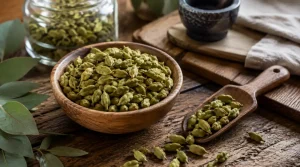
To round the aroma, pair it with green cardamom and keep both measured. Add whole green cardamom to your concentrate for a brighter, more lifted clove profile.
Ratio table you can actually reuse (grams and teaspoons)
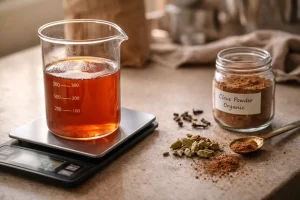 Use this as your “grab and go” reference for clove spice recipes. These are intentionally conservative, so you can scale up without crossing into harshness.
Clove powder equivalents:
0.2 g = about 1/8 tsp (light warmth, minimal sediment)
0.4 g = about 1/4 tsp (noticeable, still soft if extracted gently)
1.0 g = about 1/2 tsp (strong, best in concentrate or syrup)
Quick chai style infusion (per 2 cups / 480 ml hot water):
Clove powder: 0.4 g (about 1/4 tsp)
Whole green cardamom: 1.0 g (about 8–10 pods, lightly crushed)
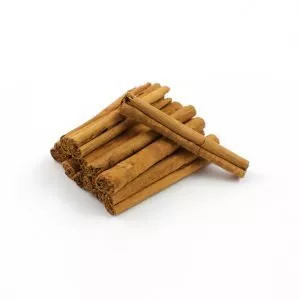
Cinnamon: 1 small stick or 1.5 g chips
Steep 6–8 minutes at 90–95°C, strain, then sweeten lightly.
For a bright, clean citrus lift that keeps clove from feeling heavy, add orange peel powder to the blend in micro doses (start at 0.5 g per 2 cups).
Recipe 1: “Clean chai” clove and cardamom tea
This is the clove spice recipe that tastes like warmth without thickness. Keep steep time short and temperature controlled.
For 2 mugs:
Heat 500 ml water to 92°C. Add 0.4 g clove powder (1/4 tsp) and 1.0 g lightly crushed whole green cardamom. Optional: 1.5 g cinnamon chips. Steep 7 minutes. Strain. Sweeten lightly if desired.
Production note: crush cardamom pods just enough to open them. Over crushing can push a camphor edge. Write your steep time on a batch card and keep it fixed.
Try adding whole green cardamom to keep clove bright and aromatic in your daily cup.
Recipe 2: Clove honey syrup for lattes, mocktails, and 2F
Syrup makes clove forgiving because you can dose by milliliters. This is one of the most useful clove spice recipes if you want repeatable results.
Clove honey syrup:
Water: 200 g
Honey: 200 g
Clove powder: 0.6 g (about 1/3 tsp)
Optional: 1.0 g crushed whole green cardamom
Warm water to 70–75°C, whisk in honey, then whisk in spices. Hold warm 10 minutes (do not boil). Strain through fine mesh. Cool fast and refrigerate.
Dosing:
Coffee latte: 10–20 ml
Iced tea: 15–25 ml
Kombucha 2F: start 5–10 ml per 16 oz bottle, then adjust
For a deep red “holiday tonic” note, pair clove with hibiscus flowers in tea or mocktails.
Recipe 3: Clove citrus “quick shrub” (acid + spice)
This is bright and modern, not heavy. It is also a way to use clove without long heat exposure.
Quick shrub base:
Mix 250 g apple cider vinegar + 250 g sugar until dissolved. Add 0.3 g clove powder (about 1/8–1/4 tsp) and 3.0 g organic orange peel powder. Let sit 30 minutes, whisk again, strain if you want it clean.
Use:
Add 15–25 ml to sparkling water, or 10–15 ml to iced tea. For kombucha 2F, use shrub as part of your flavor dose (acid can shift perceived tartness quickly, so go low).
Try adding orange peel powder to make clove feel lighter and more “sparkly.”
Recipe 4: Clove cocoa pinch blend (for hot chocolate and baking)
Clove loves cocoa, but the dose must be tiny. This blend turns clove into a “shadow spice.”
Cocoa pinch blend (make a jar):
Cocoa powder: 60 g
Sugar: 40 g
Clove powder: 0.4 g (about 1/4 tsp)
Optional: 0.6 g crushed whole green cardamom seeds only
Shake well.
Use:
1–2 tbsp per mug hot milk or plant milk. In brownies or cookies, add 1–2 tsp of this blend to the dry mix.
For a floral lift that keeps chocolate from feeling heavy, try a small amount of organic dried rose petals in tea served alongside.
Recipe 5: Clove baked apples (and a kombucha friendly variant)
A classic, but keep clove subtle so it reads as warmth, not sharpness.
Baked apples:
Slice 2 apples, toss with 15 g butter or coconut oil, 20–30 g sugar, 0.2 g clove powder (about 1/8 tsp), and 1.0 g cinnamon chips. Bake 190°C for 20–25 minutes.
Kombucha pairing tip:
Serve with a lightly carbonated clove citrus 2F (see kombucha section). The clove in the drink should be half the intensity of the clove in the dessert so it does not stack.
Try using cinnamon chips with clove for baked fruit that tastes layered, not loud.
Recipe 6: Clove spiced black tea “bottling base” for iced tea
If you sell or batch iced tea, this is a practical clove spice recipe: consistent, quick, and easy to scale.
For 1 liter concentrate:
Water: 1,000 g
Black tea: 12 g
Clove powder: 0.8 g
Whole green cardamom: 2.0 g, lightly crushed
Steep at 92°C for 8 minutes, strain, cool. Dilute 1:1 with cold water to serve, adjust sweetness separately.
Batch note: do not change steep time and dose at the same time. Lock one variable, iterate the other.
Use organic clove powder when you want fast, predictable extraction in a measured concentrate.
Recipe 7: Clove “steam jar” aroma booster for tea blends
This is not a drink, it is a blending trick. Herbalists often build aroma by letting warm humidity wake spices briefly before blending.
In a clean jar, add 20 g tea or herb base (black tea, rooibos, or mint). Add 0.2 g clove powder and 0.6 g crushed whole green cardamom. Cap and shake. Let sit 12 hours. Taste next day. The aroma will integrate and soften.
This technique is useful when your clove spice recipes taste “spiky” on day one but smoother on day two.
Try pairing clove with peppermint leaves for a crisp top note that keeps warmth from feeling sleepy.
Recipe 8: Clove citrus salt (for fruit, yogurt, or rim)
This is a tiny dose application. It is also a way to enjoy clove without brewing.
Mix:
Fine salt: 30 g
Sugar: 10 g
Clove powder: 0.2 g
Orange peel powder: 1.0 g
Shake and store airtight.
Use a pinch on sliced oranges, apples, or yogurt. Keep it subtle. You want “brightened fruit,” not “spiced salt.”
Try our organic orange peel powder for that clean citrus perfume that makes clove feel modern.
Recipe 9: Clove “root and peel” warming tea (caffeine free option)
This reads as toasted, warm, and grounded. It is excellent for winter menus.
For 2 cups:
Roasted dandelion root: 4.0 g
Orange peel powder: 1.0 g
Clove powder: 0.3 g
Steep at 95°C for 10 minutes, strain.
This is a clove spice recipe where longer steep is fine because the root carries bitterness in a controlled way, and the peel brightens.
Try adding dandelion root tea for a roasted base that makes clove taste deeper and less sweet.
Recipe 10: Clove kombucha 2F (strict, repeatable method)
This is where clove can shine if you treat it like dosing, not dumping. The goal is clean warmth, not harsh spice. Use a scale, keep notes, and change one variable at a time. This section uses clove spice recipes logic applied to fermentation: controlled extraction, controlled dose.
Baseline bottle:
16 oz / 473 ml bottle, filled with finished 1F kombucha (leave 1–1.5 inches headspace).
Option A: Tea concentrate dosing (recommended)
Make a clove cardamom concentrate:
Water: 500 g
Clove powder: 0.6 g
Crushed whole green cardamom: 1.5 g
Heat water to 92°C, steep 7 minutes, strain very fine, cool.
Dosage per 16 oz / 473 ml bottle:
Light: 10 ml concentrate
Medium: 15 ml concentrate
Bold: 20 ml concentrate
If you also want citrus lift, add 5 ml of an orange peel infusion or 0.5 g syrup per bottle instead of increasing clove.
Process:
Add measured concentrate to each bottle.
Add kombucha, cap, invert gently 2 times (do not shake hard).
Ferment 2F at 22–25°C for 24–48 hours.
Burp once at 18–24 hours if you are using bold dosing or warm rooms.
Refrigerate at least 12 hours before opening.
Option B: Direct botanicals in bottle (optional)
This is more rustic and risks sediment, but works if you go tiny.
Per 16 oz / 473 ml bottle:
Clove powder: 0.05–0.10 g (a very small pinch, about 1/32–1/16 tsp)
Optional: 1 lightly crushed cardamom pod (or 0.1 g seeds)
Add botanicals first, then kombucha. Cap and invert gently once. Ferment 24–36 hours at 22–25°C, then refrigerate and decant carefully.
Consistency tips (non negotiable if you want repeatability):
Weigh powders in grams. Teaspoons vary wildly with grind and humidity.
Pre infuse whenever possible. Concentrate gives cleaner flavor and less sediment.
Keep a batch note template: date, room temp, concentrate ml, 2F hours, carbonation level (low, medium, high), and aroma notes.
Use the same bottle size and headspace every time.
Try a clean, repeatable clove 2F by dosing organic clove powder via concentrate instead of adding spice directly.
Troubleshooting (kombucha and beyond)
Flat flavor:
Often under dosed concentrate or too cold 2F. Increase concentrate by 5 ml per bottle next time, or keep 2F in the 22–25°C range. For tea, steep time might be too short. Add 1–2 minutes, not more clove.
Too tart:
Acid perception can spike if you add vinegar shrubs or citrus acids. Reduce shrub dose, shorten 2F time, or use less concentrate. In clove spice recipes, tartness can make clove feel sharper, so lower clove slightly and add cardamom for lift.
Over carbonation:
You fermented too warm, too long, or used too much fermentable sugar (syrup). Shorten 2F to 24 hours, burp earlier, and always chill fully before opening. Use concentrate without extra sweetener if your kombucha is already lively.
Sediment:
Powder causes it. Strain concentrate through a coffee filter. If using Option B, reduce powder to 0.05 g per bottle and decant slowly.
Aroma loss:
Spices fade with oxygen and humidity. Make smaller batches of concentrate, keep it cold, and cap quickly. Also avoid boiling clove hard, which can flatten top notes.
Storage + Quality (keep clove clean and potent)
Clove is aromatic and hygroscopic. Air and humidity steal its brightness fast. Store in airtight containers away from heat and light. If clove powder darkens significantly, smells dusty instead of warm, or tastes sharp and papery, it is past its prime for clean clove spice recipes. For production, date your jar when opened and aim to use within a reasonable cycle so your batches stay consistent.
Concentrates and syrups:
Refrigerate, label with date, and use within 7–10 days for best aroma. If you need longer, freeze concentrate in ice cube trays and dose by cube weight.
Try keeping organic clove powder in a tight jar and dosing from a smaller “working jar” to reduce repeated air exposure.
Safety (compliant, practical wording)
This article focuses on culinary use, flavor technique, and beverage process. Clove is potent. Use small amounts, especially in fermented drinks, and avoid treating it like a supplement. If you are pregnant, nursing, have medical conditions, or take medications, consult a qualified professional before making major dietary changes. Herbalists often use clove traditionally in many food and beverage contexts, but this is not medical advice and no disease claims are being made here.
Make clove feel warm, not loud
The best clove spice recipes are built on restraint and repeatable extraction. Measure in grams, prefer concentrates and syrups for clean dosing, and keep your steep times fixed so you can actually learn what changed. In kombucha 2F, concentrate dosing gives the most consistent results with the least sediment and the fewest surprises. Once you have a baseline you like, you can “tune” with cardamom for lift, orange peel for brightness, or roasted roots for depth. Keep notes, keep it simple, and let clove do what it does best: a small, precise warmth that makes everything taste more intentional.
FAQ
What are the easiest clove spice recipes to start with?
Start with clove tea concentrate or clove honey syrup because you can dose by milliliters and repeat results.
Can I use clove powder directly in kombucha 2F?
Yes, but it is easy to overdo and you will get sediment. Use very small weighed doses (0.05–0.10 g per 16 oz bottle) or use concentrate instead.
How many times should I taste test when developing clove spice recipes?
At minimum: taste the concentrate or syrup, taste at 24 hours 2F, then taste after chilling. Aroma changes a lot after refrigeration.
What pairs best with clove in kombucha?
Cardamom for brightness, orange peel for lift, and hibiscus for a tart backbone. Keep clove steady and adjust the supporting notes.
Why do my clove spice recipes taste harsh?
Usually too high a dose or too aggressive extraction (boiling hard, steeping too long). Lower dose first, then shorten steep time.
How do I reduce sediment in clove drinks?
Strain concentrates through a coffee filter, avoid shaking bottles, and dose via syrup or concentrate instead of loose powder.
How long should clove concentrate sit before using?
Once cooled, you can use it immediately, but it often tastes smoother after a few hours in the fridge as the aroma integrates.
Can clove go “stale” even if it still smells strong?
Yes. It can smell intense but taste dusty or papery. For clean clove spice recipes, replace when the aroma loses sweetness and turns flat.