
Safflower (Wild harvested)
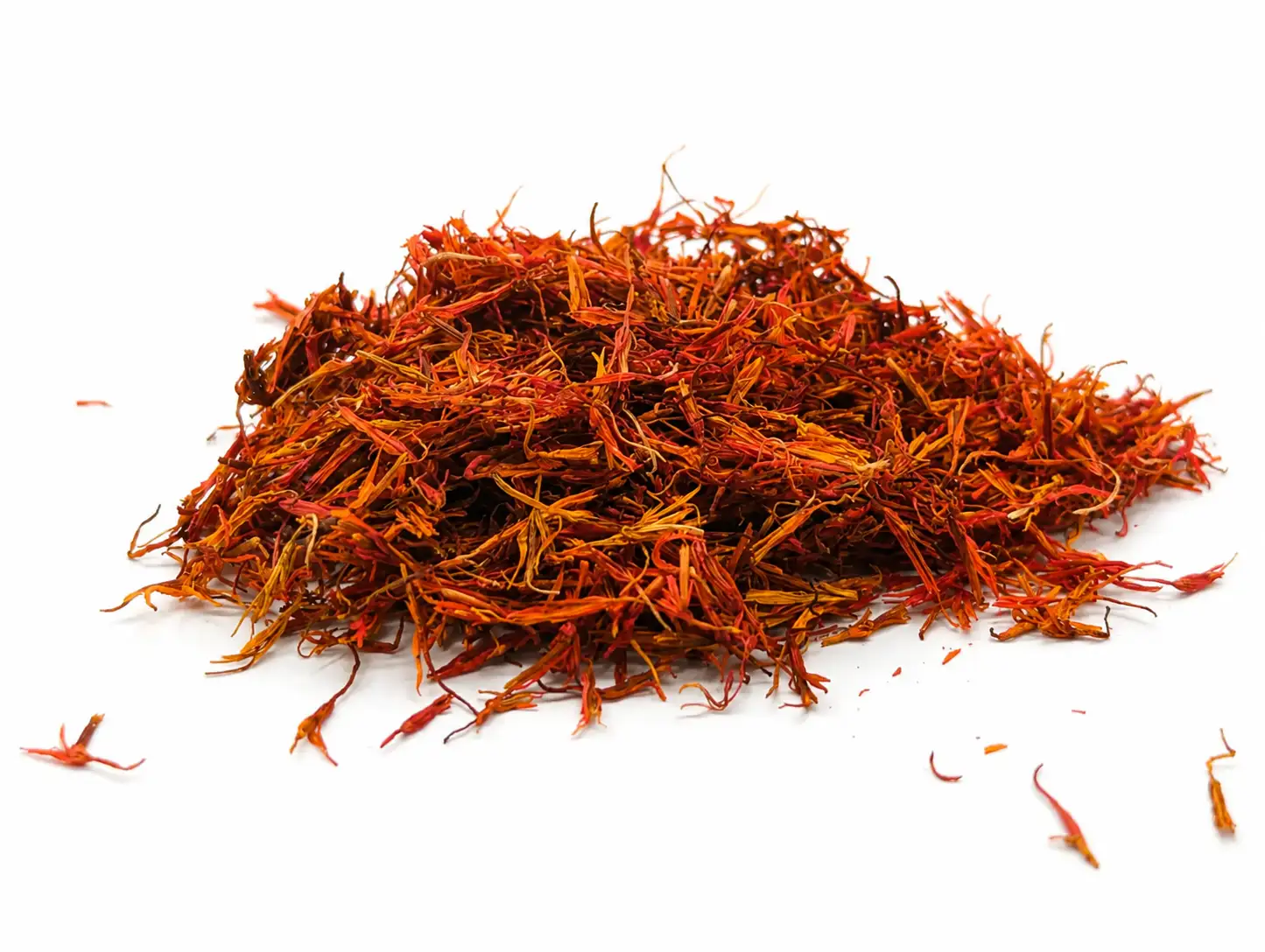
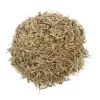
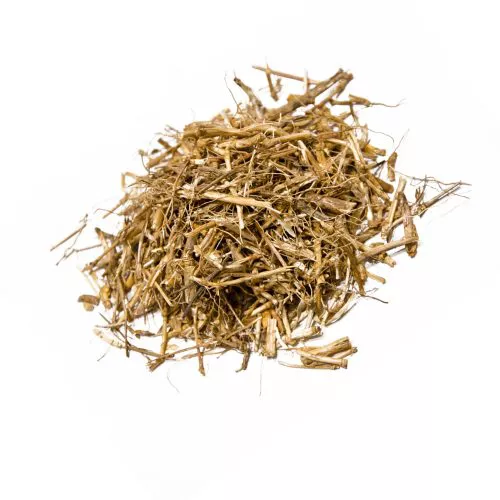
Safflower (Wild Harvested) (Carthamus tinctorius) petals come from one of humanity’s oldest cultivated plants. For over 4,000 years, people have valued safflower for many purposes. Ancient Egyptians first used it as a dye plant, with safflower pigments appearing on pharaonic mummy wrappings. Later cultures across Asia, the Middle East, and Europe adopted it as a food coloring, cooking oil source, and herbal tea ingredient.
Flavor and Aroma
Safflower petals have a subtly sweet, mildly earthy flavor with very little bitterness. The taste is gentle enough to blend into virtually any tea without altering the overall profile. Tea makers and cooks prize the petals primarily for their vibrant deep yellow to orange color, which adds visual warmth and appeal to tea blends and culinary dishes.
How to Use Safflower Petals
Safflower petals are versatile across industries:
- Add to tea blends for natural golden-orange color — steep for 5 to 10 minutes
- Use as a natural food coloring for rice, paella, and baked goods (sometimes called “poor man’s saffron”)
- Infuse into carrier oils for natural skincare products
- Add to bath teas and sachets for visual appeal
- Use in natural dyeing projects for fabrics and fibers
Traditional Uses
In Traditional Chinese Medicine, safflower is used to support healthy circulation and blood flow. In Ayurvedic traditions, it appears in formulations targeting skin health and joint comfort. Many modern tea brands use safflower petals as a natural colorant to replace artificial dyes in their blends.
Sourcing and Quality
Hatton Naturals sources its wild-harvested safflower petals from Pakistan. The petals are carefully dried to preserve their vibrant color and delicate flavor. Store in an airtight container away from light.
COUNTRY OF ORIGIN: Pakistan
Legal Disclaimer
Statements regarding dietary supplements have not been evaluated by the FDA and are not intended to diagnose, treat, cure, or prevent any disease or health condition.



Reviews
There are no reviews yet.