Superfood Powder Smoothie: Quick and Easy
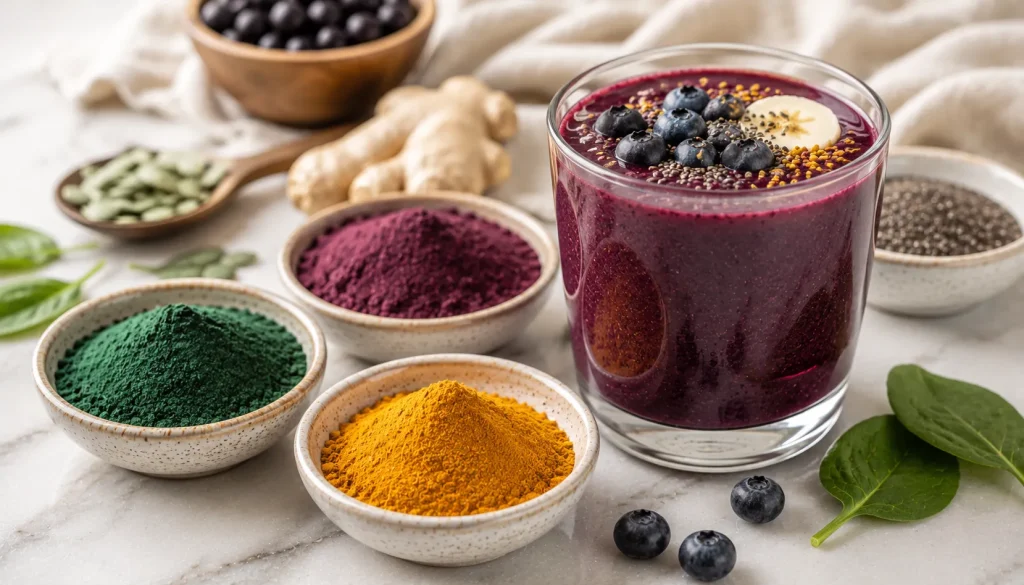
Superfood powder smoothie recipes are one of the most efficient ways to incorporate a broad range of botanicals into your daily diet. A well-constructed superfood powder smoothie combines several dried plant powders — each selected for its flavor, nutritional profile, and traditional use — into a single blended drink that requires fewer than five minutes to prepare. Furthermore, smoothies mask the challenging flavors of some botanical powders far more effectively than mixing them into water or milk alone.
This guide covers the best powders to include in a superfood powder smoothie, how to balance flavors, basic recipes to start with, and practical tips for making this a sustainable daily habit.
Why Build a Superfood Powder Smoothie?
Many botanical powders are difficult to consume on their own due to their strong, earthy, or bitter flavors. Spirulina, moringa, and amla are classic examples — intensely nutritious by traditional standards but challenging to take straight. A superfood powder smoothie solves this problem by pairing these powders with naturally sweet ingredients like banana, mango, or dates that balance the intensity.
Additionally, blending is genuinely more enjoyable for many people than swallowing capsules or mixing powder into plain water. Making a superfood powder smoothie a pleasant ritual rather than a chore dramatically increases consistency, which ultimately matters more than the specific powders chosen.
Core Powders for a Superfood Powder Smoothie
These four botanical powders form an excellent foundation for a daily superfood blend:
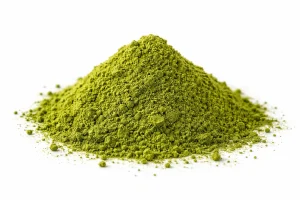
Moringa powder is derived from the dried leaves of the Moringa oleifera tree, sometimes called the “miracle tree” in its native regions of South Asia and Africa. Herbalists and nutritional researchers alike have focused considerable attention on moringa for its dense concentration of plant-based nutrients. Organic moringa powder has a mild, slightly grassy flavor that blends easily into green smoothies without dominating the other ingredients.
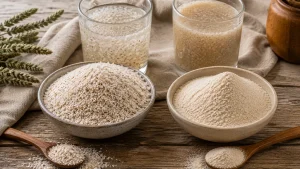
Maca powder is derived from a root vegetable native to the Andes of Peru. Traditional Andean communities have used maca as a food source and folk wellness herb for thousands of years. It has a distinctive malty, slightly caramel flavor that many people enjoy. Organic maca powder pairs particularly well with banana, chocolate, and nut butter-based smoothies.
Amla powder is the powdered form of Indian gooseberry, one of the most revered plants in Ayurvedic tradition. It is distinctly tart and astringent on its own, but when blended with sweet fruits and other powders it contributes a pleasant tartness that brightens the overall flavor profile. Organic amla powder pairs well with mango, citrus, and berry-based smoothies.
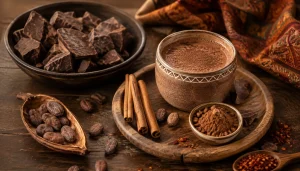
Cacao powder adds a rich, chocolatey depth to any smoothie blend. As a raw botanical powder, it retains more of the naturally occurring plant compounds than processed cocoa. Raw cacao powder pairs with banana, almond butter, dates, coconut milk, and maca for a deeply satisfying, dessert-like smoothie that still carries a full complement of botanical powders.
Simple Superfood Powder Smoothie Recipes
Green Energy Blend: One frozen banana, one cup of coconut water, one cup of baby spinach, one teaspoon of moringa powder, one teaspoon of amla powder, and a teaspoon of honey. Blend until smooth. The banana and honey offset the tartness of amla and the grassiness of moringa. This makes an excellent morning smoothie for those who want something light and refreshing.
Maca Chocolate Shake: One frozen banana, one cup of oat milk or almond milk, two tablespoons of raw cacao powder, one teaspoon of maca powder, one tablespoon of almond butter, and a pitted date for sweetness. Blend until creamy. This version tastes remarkably like a chocolate milkshake while incorporating two traditional botanical powders.
Tropical Superfood Blend: One cup of frozen mango, half a cup of frozen pineapple, one cup of coconut water, one teaspoon of amla powder, one teaspoon of moringa powder, and a squeeze of fresh lime juice. The tropical fruits naturally harmonize with both amla’s tartness and moringa’s mild grassiness.
Balancing Flavors in a Superfood Powder Smoothie
Flavor balance is the most important practical skill in making a superfood powder smoothie you actually want to drink every day. Follow these guidelines to avoid bitter, earthy, or overly intense blends.
Always pair strong-flavored powders with naturally sweet ingredients. Banana is the most versatile base because its sweetness and creaminess effectively mask bitter or astringent powders. Mango and pineapple work similarly for tropical blends. Dates and figs add concentrated natural sweetness when fresh fruit alone is insufficient.
Start with smaller amounts of each powder — half a teaspoon rather than a full teaspoon — when using a new botanical for the first time. Similarly, increase gradually as your palate adjusts. Most people find they can increase quantities over time as they become accustomed to the flavor.
Tips for Daily Consistency
Batch-preparing smoothie packs in advance dramatically lowers the barrier to daily use. Measure your fruits, greens, and any dry add-ins (nuts, seeds) into individual zip-lock bags and freeze them. In the morning, empty one bag into the blender, add liquid and your botanical powders, and blend. The total active time is under two minutes.
Additionally, keeping your powders in labeled jars on the counter rather than buried in a cabinet makes them more likely to be used. Visibility drives habit formation. Investing in a quality high-speed blender also makes a meaningful difference — lower-powered blenders struggle with frozen fruit and dense powders, while a high-speed blender achieves a smooth, lump-free result in 30-45 seconds.
Safety Disclaimer
Moringa, maca, amla, and cacao are traditional botanical foods with long histories of culinary use across multiple cultures. They are consumed as foods, not pharmaceutical products. However, this post is for informational and culinary purposes only and does not constitute medical advice. Individuals taking prescription medications, those who are pregnant or breastfeeding, or those with known health conditions should consult a healthcare professional before significantly increasing their intake of concentrated botanical powders. Start with small amounts of any new botanical and increase gradually.
Frequently Asked Questions
How many superfood powders should I add to a smoothie?
Two to three powders per smoothie is a practical limit for most people. Using too many powders at once creates complex, often unpleasant flavor interactions and makes it harder to identify if any specific powder disagrees with you. Start with one or two, establish a routine, then add others gradually over time.
Can I mix all my superfood powders into one jar?
Yes, pre-blending your powders into a custom blend is a great time-saving strategy. Combine moringa, amla, and maca in equal parts (or adjusted to your preference) in a sealed jar. Add one to two teaspoons of the blend per smoothie. This reduces the number of individual containers you need to open each morning.
Does blending damage the nutrients in superfood powders?
Blending at room temperature does not significantly degrade the nutrients in botanical powders. Heat is the main concern — avoid adding botanical powders to hot liquids above 140°F if preserving heat-sensitive compounds is a priority. Cold smoothies are ideal for this reason.
What liquid base works best for a superfood powder smoothie?
Coconut water, oat milk, almond milk, and unsweetened coconut milk are all excellent choices. Coconut water is lightest and adds natural electrolytes. Oat milk provides creaminess without a strong flavor. Coconut milk is richest and pairs particularly well with tropical and chocolate-based blends.
Browse our full selection of organic botanical powders to build the perfect superfood powder smoothie blend for your daily routine.