How to Make Moringa Tea With Dried Moringa Leaves
Moringa tea is a mild, green infusion made from the leaves of the moringa tree. It has become popular far beyond the regions where the tree grows. Moringa powder gets most of the attention, but the cut leaves make an easy, gentle tea. This guide shows you how to brew it, how to improve the flavor and how to store the leaves.
In addition, you will find a brewing chart, an iced recipe, blend ideas, buying tips and answers to the questions people ask most. So even if you have never tasted moringa before, you can brew a great cup today.
What Is Moringa Tea?
Moringa (Moringa oleifera) is a fast growing tree native to northern India. People in South Asia and Africa have eaten its leaves, pods and flowers for generations. Some call it the drumstick tree because of its long seed pods.
The leaves are naturally rich in vitamins, minerals and plant protein. That is one reason moringa appears in so many green drinks. To make tea, you simply steep the dried leaves in hot water. Our organic moringa, cut and sifted is ideal for loose leaf brewing.
Moringa in Traditional Kitchens
In India, cooks add the long pods to sambar, a lentil and vegetable stew. Meanwhile, the small leaves go into curries, dals and stir fries. In the Philippines, people know the tree as malunggay and add the leaves to chicken soup.
Across West Africa, families cook the leaves into sauces and stews. Then, as dried leaves became easier to ship, moringa reached tea drinkers around the world. Today, the same leaves appear in loose leaf tea, powders and blends.
How Moringa Leaves Are Harvested
Moringa grows remarkably fast. In warm climates, a young tree can reach several feet within its first year. Because of that, farmers can harvest the leafy branches many times each season.
After cutting, workers strip the small leaflets from the stems. Then they dry them in the shade, which helps the leaves keep their green color. Finally, the dry leaves are cut and sifted for tea or milled into powder.
How to Make Moringa Tea
Moringa leaves are delicate. For that reason, water that is just below boiling gives the best result.
- Measure 1 to 2 teaspoons of dried moringa leaves per 8 ounce cup.
- Heat fresh water until it just starts to boil, then let it rest for one minute.
- Pour the water over the leaves.
- Cover and steep for 5 to 7 minutes.
- Strain and taste, then sweeten if you like.
If you want a stronger cup, add more leaves instead of steeping longer. Long steeping can bring out a slightly bitter edge.
Simple Brewing Chart
Use this table as a starting point. Then adjust the amounts to your taste. If you do not have a thermometer, simply let boiling water rest for about one minute.
| Style | Leaves | Water | Time | Flavor |
|---|---|---|---|---|
| Light cup | 1 tsp per 8 oz | About 195°F | 5 min | Soft and grassy |
| Full cup | 2 tsp per 8 oz | About 195°F | 5 to 7 min | Rich and green |
| Iced, double strength | 4 tsp per 8 oz | About 195°F | 6 min | Bold, for pouring over ice |
| Cold brew | 1 tbsp per 16 oz | Cold water | 6 to 8 hours | Smooth and sweet |
What Does It Taste Like?
The flavor is earthy and grassy, somewhat like a mild green tea mixed with spinach. Unlike true tea, moringa contains no caffeine. As a result, you can enjoy it at any time of day.
Some people love the plain taste. Others prefer to blend it. Fortunately, moringa pairs well with many herbs and spices.
Fresh vs Dried Moringa Leaves
If you live where moringa grows, you may find fresh leaves at a local market. Fresh leaves taste sweeter and more like peas. However, they wilt within a day or two, so most people cook them right away.
Dried leaves, on the other hand, keep for months and brew a steady, predictable cup. For this reason, dried cut leaves are the practical choice for moringa tea. As a rule of thumb, use about three times as much fresh leaf as dried leaf for the same strength.
Best Herbs to Blend With Moringa
- Moringa and mint: Add organic spearmint for a cool, fresh cup.
- Moringa and lemongrass: Organic lemongrass gives a bright citrus note.
- Moringa and ginger: A little organic ginger root adds warmth.
- Moringa and tulsi: Organic tulsi leaves bring a clove-like, peppery aroma.
Start with equal parts of moringa and your chosen herb. Then adjust the ratio to suit your taste.
A few other additions work well, too. For example, a strip of orange peel adds sweetness. A pinch of cinnamon makes the cup feel cozy. Also, a teaspoon of honey softens the green edge without hiding it.
Recipe: Iced Moringa Lemongrass Tea
This recipe makes about one quart. It is bright, refreshing and naturally caffeine free.
- Add 2 tablespoons of moringa leaves and 1 tablespoon of lemongrass to a heatproof jar.
- Heat 2 cups of water until it just boils, then let it rest for one minute.
- Pour the water over the herbs, cover and steep for 6 minutes.
- Strain into a pitcher.
- Stir in 1 to 2 teaspoons of honey while the tea is warm, if you like.
- Add 2 cups of cold water and chill for one hour.
- Serve over ice with lemon slices and a few fresh mint leaves.
Keep the pitcher in the fridge and finish it within two days. After that, the green color and fresh flavor start to fade.
Cooking With Moringa Leaves
Moringa tea is only one way to enjoy the leaves. In fact, the dried cut leaves work in the kitchen much like dried parsley or spinach. So if you buy a bag for tea, you can also use it at the stove.
- Soups and stews: Stir in 1 to 2 teaspoons during the last five minutes of cooking. This mirrors the Filipino habit of adding malunggay to chicken soup.
- Dal and curry: Add a spoonful with the spices. The leaves soften and blend into the sauce.
- Eggs: Sprinkle a pinch into scrambled eggs or an omelet for color and a mild green taste.
- Rice and grains: Mix a teaspoon into the cooking water for a light herbal note.
Meanwhile, the leftover leaves from your teapot do not have to go to waste. For example, you can stir them into a soup the same day. Also, they make a good addition to compost.
Moringa Tea vs Moringa Powder
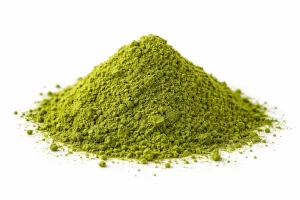
Tea and powder serve different purposes. The tea is a light infusion, so you drink the water and discard the leaves. Powder, by contrast, is the whole ground leaf, which you stir into smoothies or food. If you want to compare uses, see our guide to moringa powder for daily green drinks. You may also enjoy our comparison of moringa vs matcha.
- Choose the cut leaves for a gentle hot or iced tea and for loose leaf blends.
- Choose the powder for smoothies, lattes, soups and baking.
- Keep both if you like variety, since each form has its own place.
Curious which green powder suits your routine? Take our quick superfood powder quiz.
Common Mistakes to Avoid
- Using boiling water straight off the stove: It can make the cup taste harsh.
- Steeping for 15 minutes: Longer is not better here, because bitterness creeps in.
- Leaving the jar on a sunny counter: Light fades the leaves within weeks.
- Using powder in a tea strainer: It passes right through, so brew powder differently.
How to Choose and Store Moringa Leaves
Good dried moringa looks bright to deep green. The pieces should feel crisp and smell fresh, a bit like dried spinach or hay. On the other hand, yellow or brown leaves usually mean old stock or poor drying.
Next, look for organic certification and a lot number on the label.
Keep dried moringa in a sealed container away from light and humidity. Green leaves fade quickly in sunlight, so an opaque jar works best. Properly stored, the leaves keep their color and flavor for about a year.
As with any new herb, check with your healthcare provider first if you are pregnant, nursing or taking medication.
Frequently Asked Questions About Moringa Tea
Does moringa tea have caffeine?
No. Moringa is not related to the tea plant, so it is naturally caffeine free.
Why does my moringa tea taste bitter?
Bitterness usually comes from water that is too hot or from steeping too long. Let the water cool for a minute and keep the steep under 7 minutes.
Can I make iced moringa tea?
Yes. Brew a double strength cup, let it cool, then pour it over ice. A slice of lemon or a few mint leaves makes it extra refreshing.
Can I steep moringa leaves twice?
Yes, although the second cup is lighter. Add a minute to the steep time to draw out more flavor.
Can I mix moringa with green tea?
Yes. Equal parts work well. However, brew the blend at about 175°F so the green tea does not turn bitter.
Can I add milk to moringa tea?
Yes. A splash of warm milk or oat milk turns moringa tea into a soft, latte style drink. Add a little honey and a pinch of cinnamon for extra comfort.
Brew Your First Pot
Moringa tea is simple, mild and easy to love. Use water just off the boil, steep for 5 to 7 minutes and add mint, lemongrass or ginger if you want more flavor.
Also, remember the small details that make a big difference. Measure the leaves instead of guessing. Keep the lid on while the tea steeps. Then store the rest of the bag in a dark, airtight jar so every cup tastes as fresh as the first. Finally, try it both hot and iced, because each version shows a different side of the leaf.
Ready to try it? Order our organic moringa leaves, pick a partner herb, and brew your first pot this week.