Spearmint Tea Benefits You Should Know
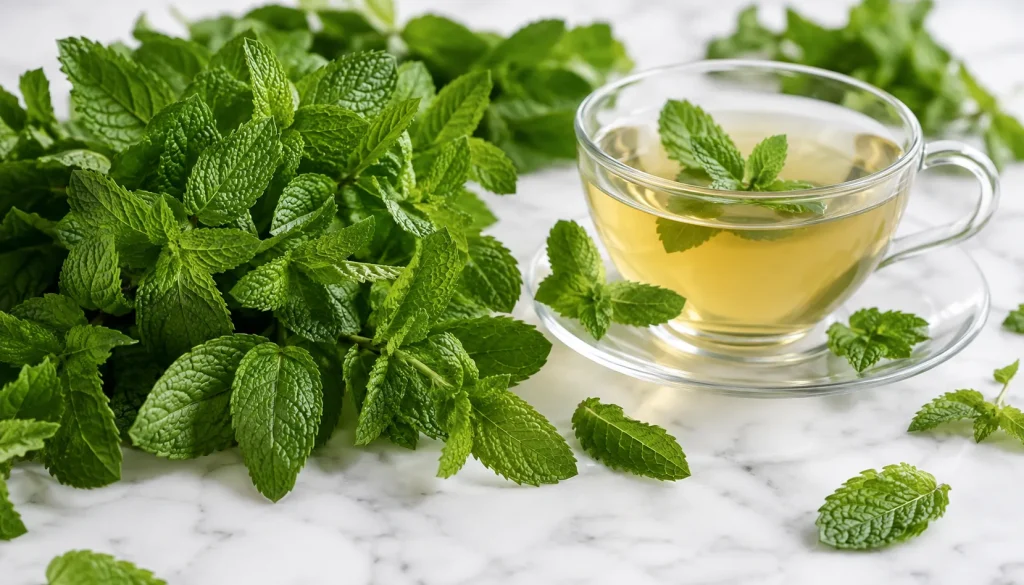
Spearmint tea benefits have been celebrated in folk herbalism and culinary traditions for centuries. Made from the dried leaves of Mentha spicata, spearmint tea is beloved for its refreshing, mildly sweet flavor and bright green aroma. Unlike its close relative peppermint, spearmint contains very little menthol — the compound responsible for the intense cooling sensation. As a result, spearmint tea has a softer, sweeter minty character that many people find more gentle and pleasant to drink throughout the day.
Furthermore, spearmint has a long history across Mediterranean, Middle Eastern, and North American herbal traditions. From Moroccan mint tea to American spearmint gum, this herb is one of the most recognized flavors in the world. Understanding what makes it special helps you appreciate it far beyond a simple flavoring.
The Flavor and Aroma of Spearmint Tea
Spearmint tea has a clean, sweet, and slightly herbal flavor. The mint quality is immediately recognizable but is much milder and less sharp than peppermint. There is a natural sweetness in the leaf that requires little to no additional sweetener. The aroma is bright, fresh, and uplifting — a quality that makes spearmint tea particularly enjoyable first thing in the morning or as an afternoon pick-me-up without caffeine.
Additionally, spearmint tea is one of the few herbal teas that works equally well hot or cold. Iced spearmint tea is a staple in many households during summer months, delivering a refreshing, cooling quality without the intensity of peppermint.
Spearmint Tea Benefits in Traditional Herbalism
Herbalists have traditionally valued spearmint for a range of supportive qualities. Here are the traditional uses most commonly associated with spearmint tea:
- Digestive support: In folk herbalism, spearmint has been traditionally used as a carminative herb — one thought to ease bloating, gas, and digestive discomfort. It is a common after-dinner drink in Mediterranean cultures for this reason.
- Refreshing and cooling: Even without the intense cooling of menthol, spearmint tea is traditionally used to cool and refresh. Many herbalists recommend it during warm weather or as a light afternoon beverage.
- Nausea relief: Spearmint has been traditionally recommended in folk medicine for mild nausea, including motion sickness. The aroma alone is thought to have a settling quality.
- Oral freshness: Spearmint has been used in traditional preparations for oral hygiene and breath freshening for hundreds of years — a tradition still reflected in modern toothpastes and mouthwashes.
- Hormone-related research interest: Spearmint has attracted attention in herbal research circles for potential connections to hormone balance, though these are areas of ongoing study and not established medical claims.
These are traditional uses rooted in folk herbalism. They do not represent medical claims, and this content is educational in nature.
How to Brew Spearmint Tea
Brewing spearmint tea correctly is important. The volatile aromatic oils that give spearmint its characteristic flavor and aroma are sensitive to excessive heat and extended exposure to air. A covered cup and moderate water temperature preserve the best qualities of the leaf.
- Measure the spearmint. Use 1–2 teaspoons of dried spearmint per 8 oz of water. Fresh spearmint can also be used — about 5–7 fresh leaves per cup.
- Heat the water. Bring filtered water to about 200°F — just below boiling. Fully boiling water can diminish the sweet, delicate aromatic notes of spearmint.
- Steep covered for 5–7 minutes. Cover your cup while steeping to trap the volatile aromatic oils. Uncover, remove the spearmint, and enjoy.
- Taste before sweetening. Spearmint’s natural sweetness means you may not need any sweetener at all. If desired, a small drizzle of honey enhances it beautifully.
Organic spearmint cut and sifted brews quickly and releases its sweet, clean flavor efficiently. It is the most practical form for daily tea drinking.
Spearmint vs. Peppermint: Which Should You Choose?
Both spearmint and peppermint are members of the same plant family and share certain characteristics. However, several key differences make each better suited to different situations:
- Flavor intensity: Peppermint is bolder, more intense, and more cooling due to its high menthol content. Spearmint is softer, sweeter, and more subtle. Spearmint tea benefits those who find peppermint too strong.
- Daily drinking: Spearmint is gentler and easier to drink multiple times a day. Peppermint can feel more medicinal in large quantities.
- Blending: Spearmint blends more harmoniously with delicate herbs like chamomile and lemon balm, while peppermint tends to dominate blends.
- Digestion: Both herbs have been traditionally used for digestive comfort, but peppermint is generally considered stronger in this regard. Spearmint is often preferred for children and those with sensitive digestion.
Iced Spearmint Tea
Spearmint tea is exceptional served cold. Brew a double-strength batch and allow it to cool. Pour over ice and garnish with a fresh sprig of spearmint and a slice of lemon. Alternatively, blend cold-brewed spearmint with cucumber juice for a spa-style hydration drink that is popular in many wellness cafés.
Moreover, spearmint iced tea makes an excellent mixer for mocktails. Combine it with sparkling water, fresh lime juice, and a small amount of honey or agave for a refreshing mint cooler with no alcohol or caffeine.
Culinary Uses Beyond Tea
Spearmint is a remarkably versatile culinary herb. Beyond tea, dried spearmint can be used to season lamb dishes, grain salads, yogurt sauces, and cold pasta salads. In Middle Eastern cuisines, dried spearmint is added generously to lentil soups and tabbouleh. Adding dried spearmint to baked goods, lemonade, and fruit salads is also popular in American home cooking.
For this reason, buying spearmint in a larger quantity is a practical choice — it serves double duty as both a daily tea herb and a culinary seasoning.
Safety and Usage Notes
Spearmint tea is considered safe for most healthy adults and is gentle enough that many herbal practitioners consider it appropriate for children in small amounts. However, very large amounts of any mint tea may aggravate acid reflux in susceptible individuals. If you are pregnant or nursing, consult your healthcare provider before regular use of spearmint in large quantities, as very high doses have been associated with hormone-related concerns in some studies. This content is educational only and does not constitute medical advice.
Frequently Asked Questions
Is spearmint tea caffeinated?
No. Spearmint tea is caffeine-free. It is made entirely from the dried leaves of the spearmint plant and contains no tea plant (Camellia sinensis). This makes it a popular choice for those who want a flavorful, refreshing drink without caffeine — any time of day, including evenings.
How is spearmint different from regular mint?
The term “mint” in everyday usage most commonly refers to either spearmint or peppermint, with spearmint being the default in many culinary contexts. Spearmint is Mentha spicata and has a sweeter, milder flavor. Peppermint is a hybrid (Mentha × piperita) with much higher menthol content and a more intense cooling effect.
Can I grow spearmint at home to make tea?
Absolutely. Spearmint is one of the easiest herbs to grow and is very prolific — it spreads readily and can become invasive in garden beds. Consider growing it in a container to keep it manageable. Harvest leaves in the morning before flowering for the best flavor, then dry them by hanging small bunches upside down in a warm, ventilated space.
What are the best herbs to blend with spearmint?
Spearmint blends especially well with chamomile, lemon balm, lemon verbena, peppermint (in smaller proportions), rose petals, and hibiscus. Its sweet, clean flavor is versatile and enhances rather than dominates most herbal combinations.
Ready to explore spearmint tea benefits for yourself? Try our organic spearmint — a clean, refreshing cup is just minutes away.