Elderflower Juice Recipe: Bright Floral Syrup and Spritz Base
The best elderflower juice recipe tastes like early summer sunlight, soft blossoms, and clean citrus lift. It is not a “juice” in the literal fruit-pressed sense. It is a floral infusion sweetened into a pourable syrup that becomes your spritz base, iced tea sweetener, kombucha flavoring, or dessert drizzle. Herbalists love it because the aroma is delicate, and tea makers love it because small process choices (water temperature, steep time, sugar ratio, filtration) decide whether it sings or turns dull.
This elderflower juice recipe is built for repeatability. You will get a bright, pale-gold syrup with a clear elderflower top note and a gentle orange-peel warmth underneath. I will give you two methods: a quick hot method for production days, and a cold infusion method for maximum perfume. Both finish with a simple bottling workflow, so you can scale from one jar to a small batch without losing quality.
What “elderflower juice” really is, and why it works
In herbal kitchens, “juice” is often shorthand for a sweetened infusion meant to be used like a cordial. Elderflower is especially suited to this because its aroma lives in volatile compounds that are happiest when treated gently. Too much heat or too long on the stove can flatten the bouquet. The goal of this elderflower juice recipe is to extract fragrance, then lock it in with sugar and a touch of acidity for brightness.
Orange peel adds a rounded citrus backbone that reads like sunshine behind the flowers. It also helps the syrup feel complete when diluted into sparkling water. In practice, this becomes your base for spritzes, mocktails, iced tea concentrates, and even a fast “soda” when you add a splash to plain seltzer.
Try adding elderflower as your main floral in this syrup-style infusion.
Ingredient selection: aroma comes from quality, not complexity
A good elderflower syrup begins with clean, fragrant botanicals. Elderflower should smell sweet, airy, and fresh, not dusty. Orange peel should smell vivid and zesty, not cardboard-dry. If you have ever opened a bag and the aroma feels faint, the syrup will follow that lead.
For tea makers, think like you are building a top note and a mid note. Elderflower is your top note. Orange peel is your mid note. Sweetener is your carrier and preservative. Acid is your “highlighter” that makes the floral read as bright rather than perfumey.
Optional supporting botanicals should stay subtle. A pinch of green, minty, or soft-spice notes can add structure without stepping on the flowers.
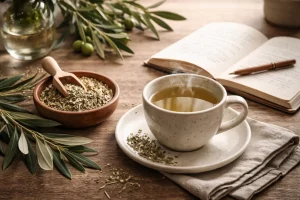
Try adding orange peel powder for a warm citrus backbone that stays present even after dilution.
Elderflower juice recipe ratios (grams + teaspoons)
This is the core elderflower juice recipe. It is designed for consistent flavor and easy scaling. Choose one of the infusion methods in the next section, but keep the ratios the same.
Batch size: about 500–600 ml finished syrup (depending on evaporation and filtration)
Botanicals:
Elderflower: 12 g (about 6 teaspoons, loosely spooned)
Orange peel powder: 4 g (about 2 teaspoons)
Base and finish:
Water: 500 g (500 ml)
Sugar: 350 g (about 1 3/4 cups granulated sugar)
Lemon juice: 25 g (about 5 teaspoons) or food-grade citric acid 2 g (about 1 teaspoon)
Process notes:
If you prefer a lighter syrup for frequent spritz use, drop sugar to 300 g. Shelf life will shorten a bit.
If you want a richer cordial, raise sugar to 400 g. It pours thicker and dilutes beautifully.
Try adding peppermint leaf as a tiny supporting note (1 to 2 g max per batch) when you want a cooler, fresher finish.
Two infusion methods: hot for speed, cold for maximum perfume
Both methods produce an excellent elderflower juice recipe. The choice depends on your schedule and how floral you want the top note.
H3 Hot-steep method (production-friendly)
Heat water to 85°C (185°F). Do not boil.
Add elderflower and orange peel powder to a heatproof jar or pitcher.
Pour hot water over botanicals, stir gently, cover.
Steep 20 minutes.
Strain through a fine sieve, then again through a cloth or coffee filter for clarity.
While infusion is still warm (around 50–60°C, 122–140°F), dissolve sugar fully.
Add lemon juice (or citric acid dissolved in a teaspoon of warm water).
Bottle immediately.
H3 Cold infusion method (aroma-first)
Combine elderflower, orange peel powder, and room-temp water in a covered jar.
Refrigerate 12–18 hours.
Strain carefully (cloth filtration helps keep it bright and clean).
Warm the infused liquid gently to 50–60°C (122–140°F), just enough to dissolve sugar.
Add lemon juice (or citric acid), then bottle.
Cold infusion is slower, but it often preserves a more honeyed, meadow-like elderflower aroma. Hot steep is faster and still excellent when you keep the temperature below a simmer.
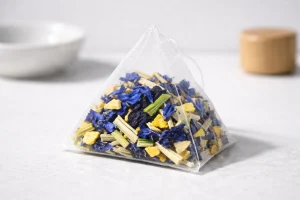
Try adding chamomile flowers as a soft “rounding” floral note (2–3 g) if you want a calmer, tea-like finish.
Step-by-step syrup build and bottling workflow
Once you have your infused liquid, treat the rest like a small beverage production run.
Filter for your target clarity. For spritz base, clarity matters because sediment can cling to glass and mute aroma. Cloth filtration gives you a cleaner pour.
Dissolve sugar completely. Stir until the liquid looks glassy and uniform. Undissolved sugar can crystallize later.
Add acid at the end. Lemon juice brightens, but adding it after sugar dissolves keeps the aroma cleaner.
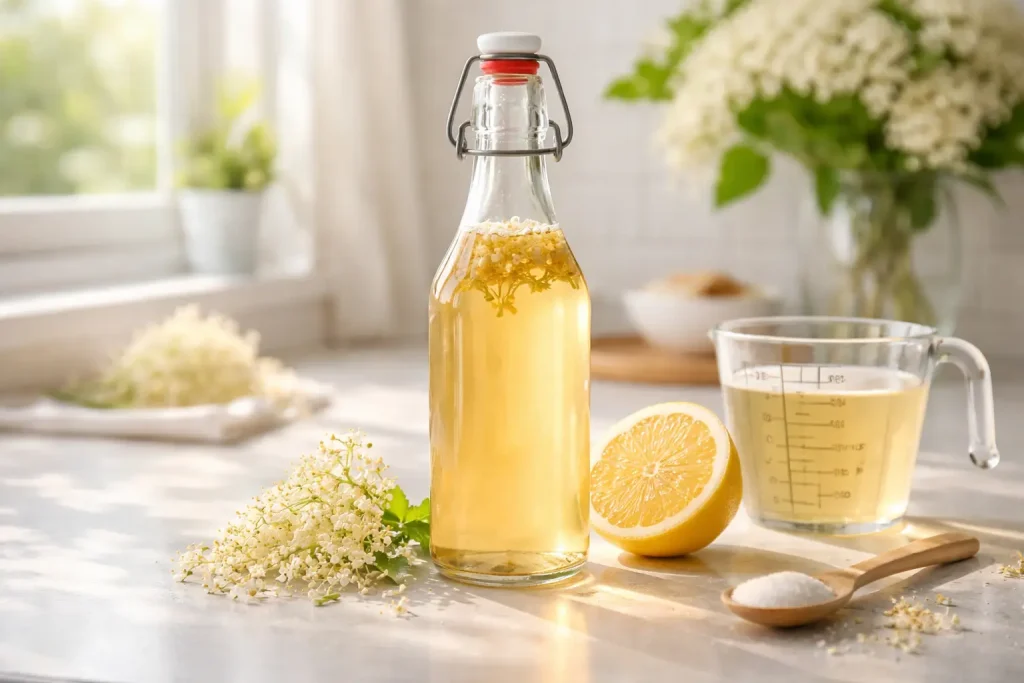
Bottle into sanitized glass. Use a funnel. Cap immediately.
Label with batch date, method (hot or cold), and sugar level.
If you are making multiple batches, keep your infusion vessel covered between pours. Elderflower aroma leaves fast when exposed to open air, especially in a warm kitchen.
Try adding ginger root as a subtle warming accent (1–2 g) when you want this syrup to perform in winter spritzes.
How to use this elderflower juice recipe: spritz base, tea, kombucha, desserts
This elderflower juice recipe is versatile. Here are practical, repeatable use rates that keep the elderflower present without turning cloying.
Spritz base (non-alcoholic):
25 ml syrup + 150–200 ml sparkling water + ice
Optional: thin lemon slice or a twist of citrus peel
Iced tea sweetener:
15–20 ml syrup per 250 ml iced tea
Works especially well with light green tea, white tea, or gentle black tea
Kombucha 2F:
10–20 ml syrup per 450 ml bottle
Add syrup first, then kombucha, leave 2–3 cm headspace
Ferment 24–48 hours at room temp, then refrigerate
Dessert drizzle:
1–2 teaspoons over yogurt, fruit, or sponge cake
Mix into whipped cream for a floral topping
Try adding lavender buds in tiny amounts (0.2–0.5 g) if you want a more perfumed, dessert-leaning profile (keep it restrained so elderflower stays the star).
Flavor design for tea makers: building a blend around elderflower
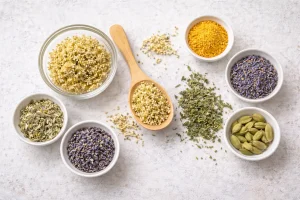 Think of elderflower as a high, luminous note. It needs support, not competition. Orange peel gives structure, but you can also shape the syrup’s “body” with small additions.
If you want it brighter, increase acid slightly rather than piling on more citrus botanicals. If you want it rounder, add a gentle floral like chamomile, and more refreshing, a hint of peppermint leaf can lift the finish.
When scaling up, make one “master infusion” and split it into variations by adding micro-botanicals after filtration. This keeps your base consistent, and your experiments controlled.
Try adding lemongrass as a modern citrus-herbal lift that reads clean in sparkling water and iced tea.
Troubleshooting: flat flavor, too tart, over-carbonation, sediment, aroma loss
Flat flavor:
Cause: water too hot, steep too long, or botanicals not aromatic.
Fix: use 85°C (185°F) max, steep 20 minutes hot method or switch to cold infusion. Consider increasing elderflower from 12 g to 14 g in the next batch.
Too tart:
Cause: too much lemon juice or citric acid.
Fix: add 25–50 g more sugar, dissolve fully. Or dilute the syrup with 50–100 ml water and rebalance with a small sugar addition.
Over-carbonation (when used in kombucha 2F):
Cause: too much syrup, warm room, long 2F, or highly active kombucha.
Fix: reduce syrup to 10 ml per 450 ml bottle, shorten 2F to 24 hours, and chill fully before opening. Burp bottles carefully during warm fermentation if needed.
Sediment:
Cause: fine powder particles or insufficient filtration.
Fix: cloth filter or coffee filter. Let the infusion settle 10 minutes before filtering and avoid pouring the last cloudy bit.
Aroma loss:
Cause: boiling, uncovered steeping, or long warm holding before bottling.
Fix: keep below simmer, cover during steep, bottle promptly, and minimize headspace.
Try adding cardamom pods (lightly crushed, 1 pod per batch) if you want a more “spritz-bar” complexity without masking the floral.
Storage + quality: keep it bright, keep it fragrant
Treat this syrup like a delicate aromatic ingredient. Airtight storage matters. Oxygen and humidity are quiet thieves of floral character.
Airtight:
Bottle with tight caps. Minimize headspace.
If using swing-top bottles, ensure seals are fresh.
Temperature:
Refrigerate after opening.
For best aroma, store unopened bottles cold as well, especially for cold-infusion batches.
Humidity and handling:
Keep botanicals sealed and dry. Elderflower absorbs ambient odors and moisture easily.
Open bags briefly, reseal promptly, and store away from spice cabinets and coffee.
Color and scent cues:
Fresh syrup: pale gold, bright floral nose, clean citrus lift.
Aging syrup: darker yellow, dulled nose, heavier sweetness.
If it smells “cooked” or flat, use it in baking or desserts rather than spritzes.
Try adding jasmine green tea as a pairing in the drink itself (not in the syrup) when serving, for an elegant floral echo.
Safety: practical, compliant, and kitchen-smart
This elderflower juice recipe is a culinary preparation. It is meant for flavor, enjoyment, and traditional beverage craft. It is not medical advice and is not intended to diagnose, treat, cure, or prevent any disease.
Use good kitchen hygiene:
Sanitize bottles and tools.
Keep syrup refrigerated after opening.
If you see visible mold, fizzing in a non-fermented bottle, or off odors, discard.
If you have allergies to botanicals, introduce new ingredients cautiously. Elderflower is traditionally used in many kitchens and herbal traditions, but individual sensitivity varies. When in doubt, keep the recipe simple and avoid adding extra botanicals.
Try adding elderflower in small culinary amounts first if you are new to floral botanicals, then adjust upward in future batches.
A repeatable elderflower syrup you will actually use
A reliable elderflower juice recipe is one of those small kitchen rituals that pays you back all week. With gentle infusion, clear filtration, balanced sugar, and a bright acid finish, you get a bottle of floral syrup that turns plain sparkling water into a spritz, lifts iced tea, and makes kombucha feel intentional. Keep the heat controlled, keep the steep covered, and bottle quickly. The reward is that unmistakable elderflower sparkle, soft, sunlit, and practical enough to make again and again.
If you want a more aromatic batch, choose cold infusion. If you want speed and consistency on production day, choose hot steep under 85°C (185°F). Either way, this elderflower juice recipe gives you a clean base you can riff on without losing the blossom.
Try adding orange peel powder when you want the citrus warmth to stay present even after dilution.
FAQ
Can I make this elderflower juice recipe without sugar?
You can, but it will not store well and will taste more like a light infusion than a syrup. For a fridge-only version, sweeten lightly with honey right before serving.
How long does elderflower syrup last in the fridge?
Typically 3–6 weeks if bottled clean and kept airtight. Higher sugar batches keep longer.
Can I use dried elderflower for an elderflower juice recipe?
Yes. Dried elderflower is common for syrup. The key is aroma and gentle handling to preserve floral notes.
Why did my syrup turn cloudy?
Fine particles and incomplete filtration. Cloth filtering and letting the infusion settle before filtering helps.
What is the best dilution for a spritz base?
Start at 1 part syrup to 6–8 parts sparkling water, then adjust to taste and glass size.
Can I use this in kombucha second fermentation?
Yes. Use 10–20 ml per 450 ml bottle and ferment 24–48 hours, then chill fully before opening.
How do I keep the aroma strong?
Avoid boiling, cover during steeping, minimize warm holding time, and store airtight and cold.
Can I scale this elderflower juice recipe for small-batch production?
Yes. Keep ratios by weight, control temperature, filter consistently, and label batches for repeatability.