Maca Root Pre-Workout: Is It Worth Adding?
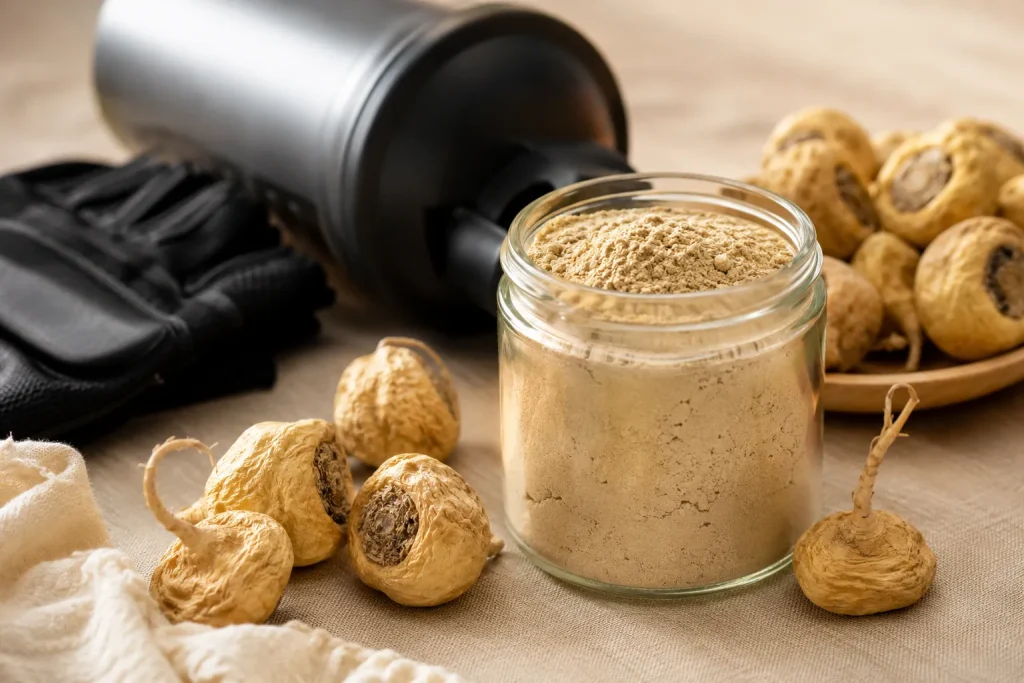
Maca root pre-workout formulations are appearing in more supplement lines as brands look for natural alternatives to synthetic energy ingredients. Grown at high altitudes in the Peruvian Andes, Lepidium meyenii has a long history as a food staple and traditional energy source. But does maca root pre-workout belong in your formula?
Understanding Maca Root Pre-Workout as an Ingredient
Maca root belongs to the cruciferous vegetable family, related to broccoli and cauliflower. It grows at elevations above 4,000 meters in harsh conditions, which contributes to its unique nutrient profile. The root contains carbohydrates, fiber, protein, and a range of minerals including iron, copper, and manganese.
Unlike stimulant-based pre-workout ingredients such as caffeine or synephrine, maca does not produce an immediate energy spike. Instead, it is traditionally used as a sustained energy and vitality ingredient. This distinction is important for brands positioning maca-based products: the messaging needs to set appropriate expectations.
Maca Varieties and Their Differences
Three main varieties of maca exist, distinguished by root color:
- Yellow maca: The most common variety, representing about 60% of commercial production. It offers a mild, slightly nutty flavor and is the most versatile for formulation.
- Red maca: Considered a premium variety with a sweeter taste profile. Some research has specifically examined red maca for certain applications.
- Black maca: The rarest variety, often marketed as the most potent. It has attracted research interest in the areas of endurance and stamina.
For pre-workout supplements, black and yellow maca are the most commonly selected varieties. Organic maca powder is available in both raw and gelatinized forms, each with different processing characteristics.
Raw vs. Gelatinized Maca
This distinction matters significantly for supplement manufacturers. Raw maca powder is simply the dried root ground to powder. Gelatinized maca has been heated and pressurized to remove starch, resulting in a more concentrated and easier-to-digest product.
As a result, gelatinized maca dissolves more readily in liquids, making it better suited for drink-mix products like pre-workout powders. It also has a milder flavor, which simplifies taste formulation. The trade-off is that the heating process may alter some heat-sensitive compounds.
Maca Root Pre-Workout Formulation Strategies
Maca works best in pre-workout formulas when positioned as part of a comprehensive energy and endurance blend rather than as a standalone stimulant replacement. Common co-ingredients include:
- Caffeine (natural sources like green tea or yerba mate)
- Beta-alanine for endurance support
- Beetroot powder for nitric oxide
- B vitamins for energy metabolism
- Ashwagandha for adaptogenic support
Typical maca dosages in pre-workout products range from 1,500 mg to 3,000 mg per serving for whole root powder, or lower amounts for concentrated extracts. The relatively large serving size is a formulation challenge for capsule-based products, which is why maca appears more frequently in powder-format pre-workouts.
Market Trends and Consumer Perception
Meanwhile, the “clean pre-workout” category continues to grow as consumers seek alternatives to heavily stimulated formulas. Maca fits naturally into this trend alongside other whole-food energy ingredients like matcha, cordyceps mushroom, and rhodiola.
In particular, consumers searching for maca root pre-workout products tend to be health-conscious fitness enthusiasts rather than hardcore bodybuilders. This demographic values ingredient transparency, organic certification, and minimal processing. Brands targeting this segment should emphasize sourcing story, sustainability practices, and clean-label formulation. Not sure which adaptogen fits your brand? Try our adaptogen quiz.
Does maca contain caffeine or other stimulants?
No, maca root does not contain caffeine, theobromine, or any other known stimulant compounds. Experts attribute its traditional use as an energy food to its nutrient density and unique plant compounds called macamides and macaenes. This stimulant-free profile makes maca suitable for consumers who are sensitive to caffeine or who want to avoid stimulant-based pre-workouts.
How should maca be stored in a supplement warehouse?
Maca powder should be stored in a cool, dry environment away from direct sunlight. It has a shelf life of approximately 2 to 3 years when stored properly in sealed, airtight containers. High humidity can cause clumping and potential microbial growth. Manufacturers should conduct stability testing to determine shelf life for finished products containing maca.
Is organic maca significantly different from conventional maca?
The primary difference lies in farming practices rather than nutritional composition. Organic maca is grown without synthetic pesticides or fertilizers, which matters to consumers seeking clean-label products. From a formulation standpoint, organic and conventional maca perform similarly. However, the organic certification adds marketing value and may justify premium pricing in the competitive pre-workout market.