Ashwagandha for Bodybuilding: What the Research Shows
Ashwagandha for bodybuilding has become one of the most discussed topics in the sports nutrition industry. As a result, this ancient adaptogenic herb, scientifically known as Withania somnifera, has moved from traditional Ayurvedic medicine cabinets into mainstream supplement formulations. But what does the research actually say?
Why Ashwagandha for Bodybuilding Attracts Supplement Brands
The global ashwagandha market continues to grow as supplement manufacturers recognize its versatility. Unlike single-purpose ingredients, ashwagandha appeals to multiple consumer segments: stress management, sleep support, and athletic performance. For bodybuilding brands, this cross-category appeal makes it a valuable addition to product lines.
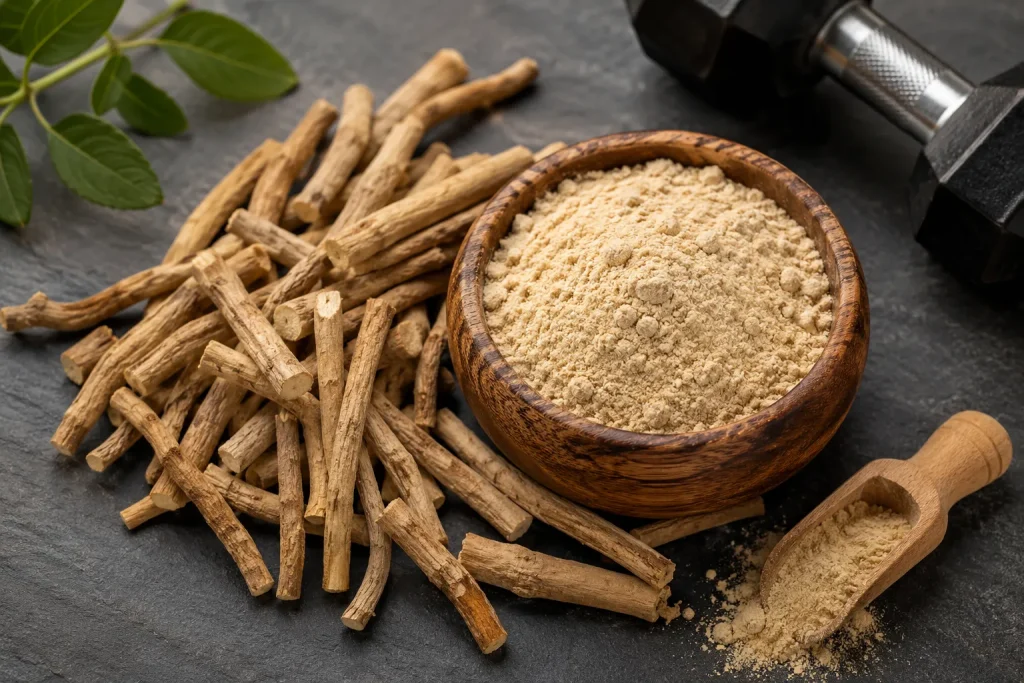
Ashwagandha root is available in several forms for supplement manufacturing. Whole root powder offers a traditional profile, while standardized extracts (typically standardized to withanolide content) provide consistency batch to batch. The extract form dominates the sports nutrition space because of its predictable potency.
Key Research Areas for Athletic Performance
Several published studies have examined ashwagandha in the context of exercise and physical performance. Research has looked at its effects on muscle strength, oxygen consumption (VO2 max), and recovery time. Many of these studies used root extract at standardized withanolide concentrations.
It is important to note that research findings vary based on study design, dosage, population, and extract type. Supplement brands should review the primary literature carefully rather than relying on marketing summaries. The NIH Office of Dietary Supplements maintains a useful database for evaluating ingredient research.
Ashwagandha for Bodybuilding: Forms and Specifications
When sourcing ashwagandha for bodybuilding supplements, manufacturers typically choose between:
- Root powder: The whole dried root ground to a fine powder. This is the most traditional form and works well in protein blends and meal replacements.
- Root extract: A concentrated form standardized to a specific withanolide percentage (commonly 2.5% to 5%). This is the preferred form for capsules and performance-focused products.
- KSM-66 and Sensoril: Branded extracts with proprietary standardization methods. These carry their own clinical research and licensing requirements.
Organic certification adds value for brands targeting the clean-label market. USDA Organic ashwagandha powder is available from suppliers who source directly from certified farms in India, where farmers grow the majority of commercial ashwagandha.
Formulation Considerations
Ashwagandha pairs well with other ingredients commonly found in bodybuilding supplements. It appears in pre-workout blends alongside caffeine and beta-alanine, in recovery formulas with turmeric and ginger, and in testosterone support products with fenugreek.
The herb has a distinctive earthy, slightly bitter taste. In powder-based products like protein shakes, flavor masking is an important consideration. Capsule and tablet formats avoid this issue entirely. Additionally, ashwagandha works well and stays compatible with most common supplement ingredients, though manufacturers should always conduct stability testing.
Market Positioning and Consumer Demand
Consumer awareness of ashwagandha for bodybuilding has grown substantially. Search interest for terms like “ashwagandha supplement” and “ashwagandha for gym” continues to trend upward. For supplement brands, this organic demand reduces the marketing spend needed to educate consumers about the ingredient.
Moreover, the bodybuilding and fitness demographic skews toward consumers who research ingredients before purchasing. In addition, transparency about sourcing, standardization, and third-party testing resonates strongly with this audience. Brands that provide certificates of analysis (COAs) and clear labeling tend to build stronger customer loyalty. Hatton Naturals provides COA documentation with every wholesale order. Apply for wholesale pricing or take our adaptogen quiz to find the right ingredient for your supplement line.
Is ashwagandha safe to include in sports supplements?
Ashwagandha has a long history of traditional use and is generally recognized as safe when used at recommended dosages. However, supplement manufacturers should follow FDA guidelines for dietary supplements, include appropriate disclaimers, and consult with regulatory experts. Some athletic organizations may have specific rules about ingredient inclusion, so brands targeting competitive athletes should verify compliance.
What is the standard dosage of ashwagandha in bodybuilding products?
Most published research on ashwagandha and exercise performance has used daily dosages ranging from 300 mg to 600 mg of standardized root extract. Supplement brands typically follow these research-backed ranges when formulating products. The exact amount depends on the extract type and withanolide concentration.
Can ashwagandha be combined with creatine in a single formula?
Yes, ashwagandha and creatine are commonly combined in sports nutrition products. There are no known interactions between the two ingredients, and some supplement brands market this combination for combined strength and recovery support. As with any multi-ingredient formula, stability testing is recommended before commercial production.