How much does organic tea ingredients cost?
If you’re a coffee shop, restaurant, or small brand trying to build a profitable tea program, the real answer to how much does organic tea ingredients cost is not a single number. It’s a pricing curve that depends on ingredient type, quality tier, and especially pack size. On HattonNaturals, most products are designed for both retail and wholesale needs, with foodservice-friendly sizes available from 1 lb and up.
This post focuses on what matters operationally in the US market, priced in USD, using the exact pack sizes cafés commonly buy: 4 oz, 8 oz, 1 lb, 5 lb, 22 lb, 40 lb, plus custom quantities. The goal is simple: help you buy high quality organic ingredients without trashing your margins.
The practical categories that drive your costs
To make pricing predictable, think in four ingredient families.
First, core tea leaves like Ceylon, Assam, Nilgiri, and green teas. These are your base products. They matter for consistency and repeat orders.
Second, high rotation herbal staples like chamomile, peppermint, hibiscus, lemongrass, tulsi, rooibos, and yerba mate. These are the workhorses of a café menu.
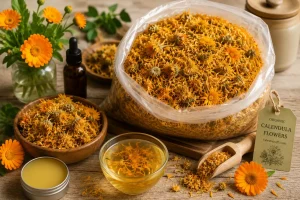
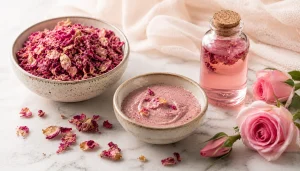
Third, premium visual botanicals like butterfly pea, cornflower, rose, and specialty flowers. These often cost more per pound but are used in smaller amounts and give you the strongest perceived value.
Fourth, spices and functional add-ins like ginger, turmeric, cinnamon, cardamom, fennel, licorice, and vanilla. This is where chai, golden milk, and signature house blends live.
On HattonNaturals, you can see these families clearly across categories like Organic Tea, Organic Botanicals, Organic Spices, and Organic Flowers, each with multi-size pricing that scales for foodservice.
What the pricing curve looks like in real life
Here’s the key truth that answers how much does organic tea ingredients cost for most businesses.
Small packs look expensive because you’re paying for convenience and testing flexibility. Bulk packs look inexpensive because they’re built for stable menu demand.
A single example shows this perfectly. Organic Lemon Myrtle appears with a clear quantity-to-price-per-pound relationship on the product page, reinforcing how quickly the unit cost changes as you scale up.
Your catalog also shows wide ranges per SKU that reflect this same reality. For example, Organic Lavender Super is listed from about $10.78 up to roughly $330.46 depending on size. Damiana leaves and Linden leaves and flowers show similarly broad ranges into the $500+ range for larger quantities.
This is not price chaos. It’s the normal economics of organic supply and size-based cost efficiency.
Why organic pricing varies more than people expect
Even when we hold pack size constant, organic ingredients vary because of origin, harvest conditions, and post-harvest handling.
HattonNaturals emphasizes sourcing from top farms that focus on sustainable organic practices, and that tends to show up in better aroma, cleaner flavor, and more reliable batch performance.
For cafés, that reliability is not a luxury. It’s an operational advantage. It reduces staff confusion, keeps your signature drinks consistent, and protects your reviews.
The simple per-cup math cafés should use
This is the missing piece most buyers never calculate.
Most loose-leaf teas and herbal infusions use roughly 2 to 3 grams per cup, depending on the ingredient density and your recipe style. That means one pound can often produce roughly 150 to 225 cups.
So even if a botanical feels pricey at the shelf level, the cost per serving can remain comfortably low, especially when you move from 1 lb to 5 lb or higher.
This is why organic programs stay profitable when you standardize recipes and buy based on actual menu velocity.
Case study 1. The three-staple café menu
A mid-sized café wants a clean, reliable, allergen-friendly base menu.
They choose chamomile, peppermint, and hibiscus.
They start with 1 lb bags to validate demand. Once each tea proves it can sell consistently, they shift to 5 lb.
The outcome is predictable. The unit cost drops, inventory becomes simpler, and the café now has a stable core that can be upsold into seasonal blends.
This is exactly where HattonNaturals’ wholesale-friendly pack strategy shines, since most products are readily available for scaling beyond retail sizes. Best Organic tea ingredients cost in the market and high quality at the same time.
Case study 2. The Instagram blend that doesn’t wreck margins
A newer coffee shop wants one signature herbal blend that looks premium.
They build a blend using butterfly pea and rose with a light citrus accent.
These are premium ingredients, but the dosing per cup is small. The visual payoff is huge.
They price it slightly above standard herbal teas. The gross margin stays strong because the incremental ingredient cost per drink is modest compared with the perceived value created.
Case study 3. Chai and golden milk as profit centers
A restaurant adds two high-demand warm options.
Organic chai using cinnamon, ginger, cardamom, and clove.
Organic golden milk using turmeric and ginger with optional vanilla.
Spices can look expensive on paper, but in practice the beverage cost is controlled because you are using measured grams per serving.
Buying these ingredients in multi-pound quantities typically stabilizes both flavor and inventory.
For context, other major US bulk tea suppliers show a similar market pattern where staple teas and herbs become significantly more economical at larger sizes.
Certifications that matter to your buyers
For many cafés and restaurants, the label is part of the value proposition.
HattonNaturals aligns with USDA Organic expectations and uses respected certification pathways such as Oregon Tilth and Canada Organic.
This helps you confidently market clean-label beverages, an increasingly important signal for premium foodservice customers.
The bottom line for buyers
So how much does organic tea ingredients cost in practice?
Expect a wide range across botanicals, teas, and spices, with the biggest cost determinant being your order size and menu demand stability. HattonNaturals’ catalog pricing reflects that real-world curve across everything from everyday herbs to premium flowers.
If you’re building a tea program for a café or restaurant, the smartest approach is to match pack size to proven sales.
Start with 1 lb for testing.
Move to 5 lb when demand is steady.
Use 22 lb or 40 lb for high-velocity staples.
Add one premium floral or visual botanical for differentiation.
Standardize your recipes to protect margins.
That’s how you deliver high quality organic tea experiences while keeping your costs disciplined and your menu competitive.