Honeybush Tea Benefits: Caffeine-Free Alternative to Rooibos
Honeybush tea benefits have been quietly gaining attention among tea lovers looking for a naturally sweet, caffeine-free herbal infusion. Originally from the fynbos regions of South Africa, honeybush (Cyclopia species) has been enjoyed for centuries by indigenous communities who valued its honey-like flavor and gentle, soothing properties. Today, this remarkable botanical is finally stepping out of the shadow of its better-known cousin, rooibos, and earning a place in tea cabinets around the world.
If you have been searching for a caffeine-free tea that tastes genuinely sweet without added sugar, honeybush deserves a closer look. In this guide, we will explore what makes honeybush tea special, how it compares to rooibos, and why herbalists and wellness enthusiasts alike recommend it as part of a balanced daily routine.
What Is Honeybush Tea?
Honeybush is a flowering shrub native to the Eastern and Western Cape provinces of South Africa. The plant gets its name from its bright yellow flowers, which carry a distinctive honey-like fragrance when they bloom. Several species within the Cyclopia genus are harvested for tea, with Cyclopia intermedia and Cyclopia subternata being among the most common.
Traditionally, South African farmers would harvest honeybush stems, leaves, and flowers, then ferment and dry them to create a rich, amber-colored tea. As a result, the finished brew has a naturally sweet, slightly fruity taste that many people find approachable even without honey or sweetener. Unlike black or green tea, honeybush contains absolutely no caffeine, making it suitable for evening sipping or for anyone sensitive to stimulants.
You can find organic honeybush cut and sifted ready for brewing at home. The cut-and-sifted form works beautifully in tea infusers and allows the leaves to fully expand during steeping.
Key Honeybush Tea Benefits You Should Know
Honeybush has been traditionally used in South African folk medicine for a variety of purposes. While modern research is still catching up with centuries of traditional knowledge, several potential benefits have attracted the attention of herbalists and researchers alike.
Rich in Antioxidants
Honeybush tea contains a range of polyphenolic compounds, including mangiferin, hesperidin, and isomangiferin. These antioxidants have been traditionally valued for their ability to support the body’s natural defenses against oxidative stress. Furthermore, because honeybush undergoes a fermentation process during production, some of these compounds become more bioavailable, meaning your body may absorb them more readily.
Naturally Caffeine-Free
One of the most appealing honeybush tea benefits is that it is completely free of caffeine. This is not a decaffeinated product where caffeine has been chemically removed. Instead, honeybush naturally grows without producing caffeine at all. Consequently, you can enjoy a cup before bed, during pregnancy (always consult your healthcare provider first), or any time you want to avoid stimulants without sacrificing flavor.
Traditionally Used for Digestive Comfort
South African herbalists have long recommended honeybush tea as a gentle digestive aid. Traditionally, it has been used to soothe occasional stomach discomfort and support healthy digestion after meals. Many people find that a warm cup of honeybush after dinner helps them feel more comfortable and settled.
Low in Tannins
Compared to traditional black or green tea, honeybush is remarkably low in tannins. As a result, it rarely tastes bitter even when steeped for extended periods. This characteristic makes it an excellent choice for people who find regular tea too astringent or who want to avoid the mouth-drying sensation that high-tannin beverages can cause.
Honeybush vs. Rooibos: How Do They Compare?
Honeybush and rooibos are often mentioned in the same breath, and for good reason. Both come from South Africa, both are caffeine-free, and both brew into warm, reddish-amber cups. However, there are several important differences worth noting.
First, honeybush tends to have a sweeter, more honey-like flavor profile compared to red rooibos, which leans more toward a nutty, earthy taste. Many tea drinkers who find rooibos slightly too woody discover that honeybush is more to their liking. On the other hand, if you enjoy that classic rooibos earthiness, you might appreciate alternating between the two.
Second, the two plants belong to entirely different genera. Rooibos (Aspalathus linearis) is a needle-leafed shrub, while honeybush (Cyclopia) has broader, trifoliate leaves. This botanical difference contributes to their distinct flavor profiles and slightly different phytochemical compositions.
Third, green rooibos (the unfermented version) offers a lighter, more grassy flavor compared to red rooibos. If you enjoy green rooibos, you will likely also appreciate honeybush for its similar lightness but with that added natural sweetness.
Ultimately, both teas are excellent caffeine-free choices. Many herbal tea enthusiasts keep both in their collection and choose based on their mood or the time of day.
How to Brew Honeybush Tea Perfectly
Brewing honeybush tea is refreshingly simple, and the forgiving nature of this herb means you do not need to worry about precise temperatures or timing the way you might with green or white tea.
Basic hot brew method:
- Use 1 to 2 teaspoons of dried honeybush per 8 ounces of water.
- Bring fresh, filtered water to a full boil (212 degrees Fahrenheit).
- Pour the boiling water over the honeybush in your teapot or infuser.
- Steep for 5 to 7 minutes. Unlike many teas, honeybush will not turn bitter if you steep it longer, so feel free to go up to 10 minutes for a stronger cup.
- Strain and enjoy as-is, or add a touch of honey or lemon if desired.
Cold brew method:
- Add 2 tablespoons of honeybush to a quart of cold, filtered water.
- Refrigerate for 6 to 12 hours.
- Strain and serve over ice. The natural sweetness of honeybush makes it especially refreshing as a cold brew on warm days.
Creative Ways to Use Honeybush Beyond Tea
While brewing a simple cup of tea is the most popular way to enjoy honeybush, this versatile botanical lends itself to many creative applications in the kitchen.
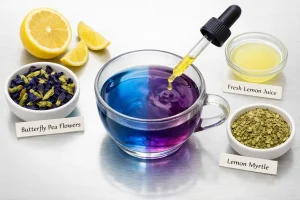
For instance, you can use a strong honeybush infusion as the base liquid for smoothies, adding a subtle sweetness without extra sugar. Additionally, honeybush pairs wonderfully with other caffeine-free herbs in custom blends. Try combining it with chamomile flowers for a calming evening blend, or mix it with lemon myrtle for a bright, citrusy afternoon cup.
Some home cooks also use honeybush as a flavoring agent in baked goods, syrups, and even marinades. A concentrated honeybush syrup (made by simmering a strong infusion with a bit of sugar) makes a lovely drizzle for pancakes, yogurt, or oatmeal. Moreover, the natural honey-like notes complement vanilla and cinnamon beautifully.
Who Should Consider Drinking Honeybush Tea?
Honeybush tea is an inclusive beverage that suits a wide range of people and lifestyles. If you fall into any of the following categories, this tea may be especially worth exploring.
Caffeine-sensitive individuals: Because honeybush is naturally caffeine-free, it will not interfere with sleep or cause jitteriness. Therefore, it makes an ideal all-day beverage for anyone who wants to reduce their caffeine intake.
Parents looking for kid-friendly teas: The natural sweetness and lack of caffeine make honeybush a suitable option for children who want to join in on tea time. Of course, always serve it at a safe temperature.
People transitioning away from sugary drinks: If you are trying to cut back on soda or sweetened beverages, honeybush tea can satisfy a sweet craving without adding calories or artificial sweeteners. In fact, many people find they need no sweetener at all.
Herbal tea enthusiasts: If you already enjoy rooibos, chamomile, or other herbal teas, honeybush is a natural addition to your rotation. Browse the full Hatton Naturals shop for more organic herbs and botanicals to complement your collection.
Sourcing and Quality: What to Look For
Not all honeybush tea is created equal. When shopping for honeybush, there are a few factors that can help you identify a high-quality product.
First, look for organic certification. Because honeybush is often wild-harvested or farmed in sensitive fynbos ecosystems, organic sourcing ensures that no synthetic pesticides or fertilizers are used. This protects both the environment and the purity of your tea.
Second, pay attention to the cut. Cut-and-sifted honeybush typically brews a more flavorful cup than finely ground or dust-grade tea, because the larger pieces allow for better water circulation and extraction during steeping. Additionally, larger cuts tend to indicate more careful processing.
Third, consider freshness. Like all dried herbs, honeybush is best used within one to two years of purchase. Store it in an airtight container away from light, heat, and moisture to preserve its flavor and beneficial compounds.
Safety Considerations and Disclaimer
Honeybush tea is generally considered safe for most adults when consumed in moderate amounts as a beverage. It has a long history of traditional use in South Africa with no widely reported adverse effects. However, as with any herbal product, it is important to exercise caution. If you are pregnant, nursing, taking prescription medications, or managing a chronic health condition, consult your healthcare provider before adding honeybush tea to your routine. This article is for informational purposes only and is not intended to diagnose, treat, cure, or prevent any disease. The statements made here have not been evaluated by the Food and Drug Administration.
Frequently Asked Questions
Does honeybush tea contain caffeine?
No, honeybush tea is completely caffeine-free. Unlike decaffeinated teas that have had caffeine removed through processing, honeybush naturally contains zero caffeine. This makes it suitable for drinking at any time of day or night.
What does honeybush tea taste like?
Honeybush tea has a naturally sweet, honey-like flavor with subtle fruity and floral notes. It is smoother and sweeter than rooibos, with very low tannin content that prevents bitterness. Many people enjoy it without any added sweetener.
Can I drink honeybush tea every day?
Honeybush has been consumed daily as a traditional beverage in South Africa for generations. Most herbalists consider moderate daily consumption (2 to 4 cups) to be perfectly reasonable for healthy adults. As always, listen to your body and consult a healthcare provider if you have concerns.
Is honeybush tea good for sleep?
Because honeybush is naturally caffeine-free and has traditionally been used as a soothing, calming beverage, many people enjoy it as part of their bedtime routine. While it is not classified as a sedative herb, its gentle nature makes it a popular choice for evening relaxation.
How is honeybush different from rooibos?
Although both come from South Africa and are caffeine-free, honeybush and rooibos are different plants with distinct flavors. Honeybush (Cyclopia) is sweeter and more honey-like, while rooibos (Aspalathus linearis) has a nuttier, earthier profile. They also contain different sets of antioxidant compounds.
Can children drink honeybush tea?
Honeybush tea is caffeine-free and naturally sweet, which makes it a popular choice among parents for older children. However, always serve it at a safe temperature and in moderate amounts. Consult your pediatrician if you have any questions about introducing herbal teas to your child’s diet.
How long should I steep honeybush tea?
Steep honeybush for 5 to 7 minutes for a standard cup, or up to 10 minutes for a stronger brew. One of the advantages of honeybush is that it does not become bitter with extended steeping, so you have flexibility in brewing time.
Can I cold brew honeybush tea?
Absolutely. Cold-brewed honeybush is refreshing and naturally sweet. Simply add 2 tablespoons of dried honeybush to a quart of cold water and refrigerate for 6 to 12 hours. Strain and serve over ice for a delicious caffeine-free iced tea.