Fennel Tea Benefits: Digestion and Flavor
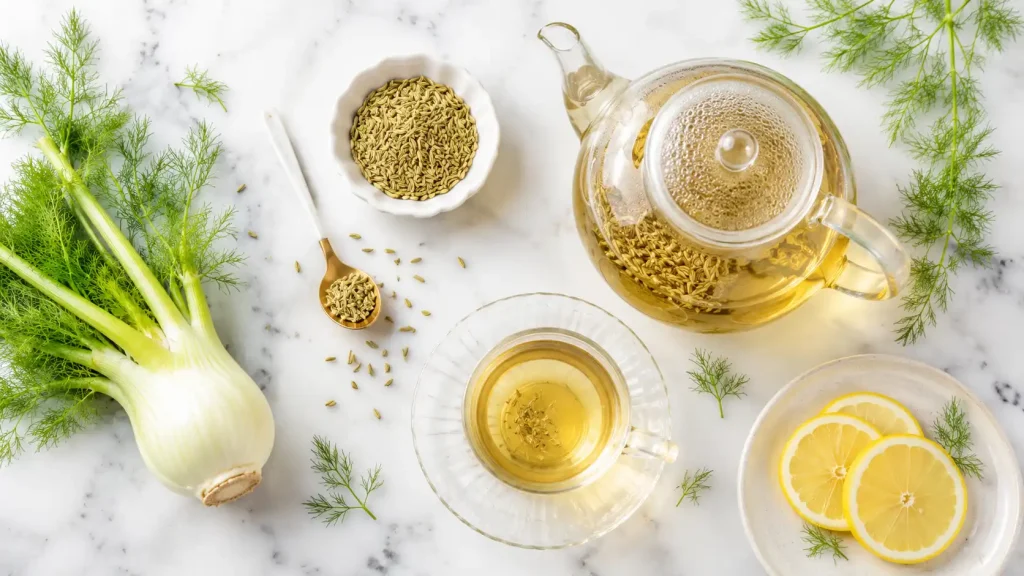
Fennel tea benefits have made this gentle herbal brew a beloved staple in culinary and folk medicine traditions across Europe, the Middle East, and South Asia for thousands of years. Made from the dried seeds (technically the fruits) of Foeniculum vulgare, fennel tea has a warm, naturally sweet, anise-like flavor that is refreshing and easy to enjoy. In fact, fennel seed tea is one of the most commonly recommended digestive teas in Italian, Indian, and Mediterranean culinary herbalism.
Furthermore, fennel is a plant with deep cultural roots. Ancient Greek athletes chewed fennel seeds to control their appetite before competitions. Roman soldiers reportedly ate fennel to maintain their vigor during long marches. Today, fennel seeds are chewed after meals throughout South Asia as a traditional digestive aid and breath freshener.
What Are the Traditional Fennel Tea Benefits?
Herbalists and folk medicine traditions around the world have used fennel tea for a consistent set of traditional benefits. Here is what traditional use and folk herbalism most commonly associate with fennel tea:
- Digestive support: Fennel is one of the most widely traditionally used carminative herbs — herbs thought to ease bloating, gas, cramping, and digestive discomfort. It is a staple after-dinner tea in Italian and Indian households for this reason.
- Breath freshening: Fennel seeds have been traditionally chewed for breath freshening in South Asian cultures for centuries. The same benefit applies to fennel tea.
- Mild antispasmodic: In folk herbalism, fennel has been traditionally recommended for intestinal cramping and colic, including as a gentle traditional remedy for infant colic in some European traditions.
- Appetite and digestion stimulation: Fennel has been traditionally used as a digestive tonic before or after meals in Mediterranean herbal traditions.
- Lactation support: Fennel is one of the herbs historically listed in folk medicine as a galactagogue — an herb traditionally used to support breast milk production. This is a traditional use only.
These are traditional uses rooted in folk herbalism and do not represent medical claims.
What Does Fennel Tea Taste Like?
Fennel tea has a warm, sweet, licorice-like flavor that is softer and more delicate than star anise or licorice root. There is a pleasant freshness to fennel seed tea that makes it clean and refreshing rather than heavy. The natural sweetness means it often needs no added sweetener.
The aroma is equally appealing — herbaceous, subtly spicy, and faintly sweet. Fennel tea has a quality that feels simultaneously warming and refreshing, which is why it works well both as a hot post-meal tea and as a chilled summer drink.
How to Brew Fennel Tea
Fennel seeds benefit from light crushing before brewing. This breaks open the seed coat and releases the aromatic essential oils more readily into the water:
- Lightly crush the seeds. Use a mortar and pestle, the flat side of a knife, or the bottom of a heavy mug to crack the seeds gently. You do not need to grind them — just break them open slightly.
- Measure your fennel. Use 1–2 teaspoons of lightly crushed organic fennel seeds per 8 oz of water.
- Use fully boiling water. Pour boiling water (212°F) directly over the crushed seeds. Fennel seeds are robust and benefit from full boiling temperature to extract their essential oils effectively.
- Steep for 7–10 minutes. Cover the cup during steeping to trap the aromatic oils. For a stronger, more concentrated cup — especially for digestive purposes — steep for up to 15 minutes.
- Strain and taste. Remove the fennel seeds and taste before sweetening. The tea should be fragrant, warm, and pleasantly sweet with a clean anise finish.
Fennel Tea Blends: Best Pairings
Fennel tea benefits are amplified in several classic herbal combinations. Here are some of the most popular and effective pairings:
- Fennel and ginger: A warming digestive blend popular in Ayurvedic tradition. Ginger cut and sifted adds warming spice and pungency that complements fennel’s sweet anise quality beautifully. Simmer both together for 8–10 minutes for the best result.
- Fennel and peppermint: Peppermint leaf adds a cooling, bright freshness to fennel’s warmth. This is a classic European digestive blend, widely used after rich meals.
- Fennel and licorice root: Both herbs share anise-like sweetness. Combined, they create an extremely sweet, deeply soothing herbal infusion that needs no sweetener whatsoever.
- Fennel and chamomile: A gentle, soothing combination used in folk herbalism for children and adults alike. The sweet chamomile softens fennel’s assertive flavor.
- Fennel and cardamom: An Ayurvedic-inspired blend with a complex, spiced sweetness that is wonderful after a large meal.
Fennel Powder vs. Fennel Seeds
Both fennel seeds and fennel powder can be used for tea, but they behave differently. Fennel seeds produce a clear infusion with a clean, aromatic flavor. Fennel powder brews faster and creates a more turbid liquid that requires careful straining through a cloth filter or coffee filter to remove fine particles. The flavor of powder-brewed tea can be slightly more intense and slightly more bitter.
For most everyday fennel tea, whole seeds are preferable. Fennel powder is more useful for cooking — adding to breads, sausages, spice blends, and baked goods — while the seeds are better suited to tea.
Iced Fennel Tea
Fennel tea is surprisingly refreshing when served cold. Brew a batch using double the normal amount of seeds, allow it to cool, and pour over ice. The cool temperature softens the anise note and makes the natural sweetness more prominent. Adding a squeeze of lemon or lime and a few fresh mint leaves creates an exceptionally refreshing iced herbal drink.
Moreover, iced fennel tea makes an excellent post-meal digestive drink in summer when a hot cup feels too warming. Keep a pitcher in the refrigerator for up to 2–3 days.
Culinary Uses for Fennel Seeds
Fennel seeds are a versatile pantry staple. Beyond tea, they are used in:
- Italian sausage and meatball seasoning
- Indian spice blends like panch phoron
- Bread and flatbread recipes
- Roasted vegetable seasoning
- Pickles and brined vegetables
- Digestive-focused spice mixes
Consequently, keeping a good supply of organic fennel seeds on hand is practical — they serve your tea ritual and your cooking equally well.
Safety and Usage Notes
Fennel tea is generally considered safe for most healthy adults in normal amounts. However, fennel contains anethole, the compound responsible for its anise flavor, which can cause reactions in people with sensitivities to plants in the Apiaceae family (celery, carrots, parsley). Very large amounts of fennel tea are not recommended during pregnancy, as fennel has traditionally been classified as a uterine stimulant in large doses. Those on certain hormone-affecting medications should consult a healthcare provider. This content is educational and does not constitute medical advice.
Frequently Asked Questions
How many cups of fennel tea can I drink per day?
Most herbal tea guidelines suggest 2–3 cups per day as a typical intake for fennel seed tea. Drinking it after meals is the most traditional approach, particularly for digestive support. Very large daily quantities over extended periods are not recommended, especially for pregnant individuals.
Can I use fennel fronds or bulb for tea?
The seeds are by far the most commonly used part for tea due to their concentrated flavor and essential oil content. Fennel fronds (the feathery green tops) can also be used to make a lighter, more delicate herbal infusion, but they are much milder than the seeds. The bulb itself is primarily a culinary vegetable and not typically used for tea.
Is fennel tea the same as anise tea?
No, though the two taste similar. Fennel (Foeniculum vulgare) and anise (Pimpinella anisum) are different plants in the same family. Both contain anethole, which gives them their shared flavor profile, but fennel has a slightly sweeter, fresher quality while anise is sharper and more intensely licorice-like. Star anise (Illicium verum), despite its name, is from an entirely different plant family.
Does fennel tea help with bloating?
In folk herbalism and traditional medicine traditions across multiple cultures, fennel seed tea has been traditionally recommended for bloating and gas. This is one of its most consistent traditional uses across Italian, Indian, and Middle Eastern herbal practices. These are traditional uses and are not medical claims.
Explore the classic fennel tea benefits with our organic fennel seeds — your digestive tea ritual starts here.