Bulk Herbs Botanicals: Build a Blending Pantry for Tea Brands
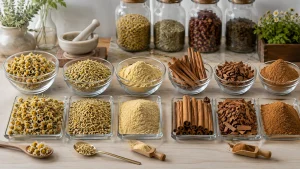
If you are launching or scaling a tea brand, the single most important investment you will make is your blending pantry. Stocking the right bulk herbs botanicals gives your product development team the raw palette it needs to create signature blends that stand apart on crowded retail shelves. A well-organized pantry also shortens your formulation cycles, because every base, accent, and finishing botanical is already on hand when inspiration strikes. In this guide, we walk through the categories every serious tea blender should stock, the quality benchmarks that protect your brand reputation, and practical storage strategies that preserve potency from the moment a shipment arrives to the day it enters a blending batch. Whether you are a cottage brand filling 50 pouches a week or a mid-size operation running continuous production, these principles scale with you.
Why a Dedicated Blending Pantry Matters
Plenty of small tea companies order ingredients on a per-recipe basis. That approach works until your third or fourth SKU, at which point lead times start dictating your launch calendar instead of creativity. A dedicated pantry stocked with bulk herbs botanicals flips that dynamic. You always have core ingredients ready for R&D trials, and you can respond to seasonal demand without waiting weeks for a single botanical to arrive. The efficiency gains compound: fewer purchase orders, consolidated shipping costs, and volume pricing that improves your margins on every pouch you fill.
Beyond logistics, a physical pantry changes how your team thinks about blending. When jars of chamomile flowers, peppermint leaf, and hibiscus sit side by side, combinations reveal themselves through aroma and visual contrast. That sensory proximity is something no spreadsheet can replicate.
Essential Categories for Your Bulk Herbs Botanicals Pantry
Think of your pantry in five functional tiers. Each tier plays a distinct role in blend architecture, and skipping one leaves gaps that limit your product line.
Base Botanicals
These are the high-volume ingredients that form 40 to 60 percent of most blends. Classic examples include chamomile, peppermint, rooibos, and green tea. They provide the dominant flavor profile and the familiar body that consumers expect. Stock them in the largest quantities, because they move fastest. Organic Rooibos Red is a versatile caffeine-free base that pairs with fruits, spices, and florals alike.
Accent Herbs
Accent botanicals represent 15 to 30 percent of a blend. They introduce complexity: the citrus lift of lemongrass, the earthy depth of dandelion root, or the gentle sweetness of stevia leaf. Keep eight to 12 accent botanicals on rotation so you can pivot between wellness, dessert, and classic tea profiles without new procurement.
Finishing Florals and Fruits
Cornflowers, rose petals, calendula, and citrus peels serve as the visual and aromatic finishing layer. They rarely exceed five to 10 percent of a blend by weight, yet they drive the “unboxing moment” that earns social media shares. A sprinkle of blue cornflower or rose petals transforms an ordinary pouch into something gift-worthy.
Spice Notes
Cinnamon, ginger, cardamom, cloves, and star anise anchor chai blends and seasonal collections. They carry intense flavor at low inclusion rates, so a little inventory goes a long way. When sourcing bulk herbs botanicals in the spice category, whole-form options preserve essential oils better than pre-ground alternatives.
Functional Botanicals
Adaptogens and traditional wellness herbs (ashwagandha, tulsi, elderberry, nettle) are driving the fastest-growing segment in specialty tea. Keeping a small functional tier lets you develop wellness-forward SKUs that command premium pricing.
What Buyers Should Know Before Stocking Up
Purchasing bulk herbs botanicals is not the same as buying retail quantities. At wholesale volumes, several factors demand closer attention. First, request a Certificate of Analysis (COA) for every lot. A reputable supplier will provide documentation covering microbial counts, heavy metals, pesticide residues, and moisture content. Hatton Naturals, for instance, maintains a searchable COA database for all current lots.
Second, evaluate cut size and grade. A “cut and sifted” chamomile behaves differently in a tea bag than a whole flower. Specify your format requirements upfront so your supplier ships the right grade for your packaging. Third, discuss minimum order quantities and reorder lead times. Building a reliable supply chain matters more than chasing the lowest price on a single order.
Sourcing and Quality Indicators
When evaluating a supplier of bulk herbs botanicals, look beyond price per kilogram. Aroma intensity is the first checkpoint: open a sample bag and inhale. Chamomile should smell distinctly of sweet apple and honey. Peppermint should hit your sinuses with clean menthol. Faded or musty aromas signal age or poor storage.
Color retention matters too. Dried hibiscus should be deep burgundy, not brown. Calendula petals should glow orange-gold. Visual vibrancy correlates with phytochemical integrity, which translates directly into cup color and flavor strength for your end customer. The Bulk Organic Herbs collection at Hatton Naturals is curated with these benchmarks in mind, offering USDA-certified organic botanicals in tea-cut and whole-leaf formats.
Traceability is another quality signal. Suppliers who can name the growing region, harvest season, and processing method for each lot demonstrate the kind of supply-chain transparency that protects your brand if a customer or retailer ever asks questions.
Building Your First Pantry Order
For a brand launching with four to six blends, a practical first order might look like this. Choose two base botanicals (perhaps chamomile and rooibos), three accent herbs (lemongrass, peppermint, ginger), two spice notes (cinnamon and cardamom), and three finishing florals (calendula, cornflower, rose petals). That gives you a 10-ingredient palette capable of producing dozens of unique combinations.
Order your bases in the largest quantity your storage allows, because they form the bulk of every blend. Accent and spice tiers can start at moderate volumes. Finishing florals are lightweight, so even small packages last through many batches. As you refine your recipes and identify best-sellers, shift your reorder ratios to match actual usage. The Wholesale Herbs and Spices page offers volume tiers that accommodate this kind of gradual scaling.
Storage and Shelf-Life Best Practices
Your blending pantry is only as good as your storage protocol. Dried botanicals degrade through exposure to light, heat, moisture, and oxygen. Keep all containers in a cool, dark space with ambient humidity below 60 percent. Glass jars with airtight lids work well for small batches. For larger volumes, food-grade poly-lined kraft bags sealed with clip closures are standard across the industry.
Label every container with the botanical name, lot number, supplier, and date received. Most dried herbs maintain peak quality for 12 to 18 months when stored properly, but highly volatile botanicals like peppermint and lavender benefit from faster rotation. Implement a first-in, first-out system so older stock gets blended before newer arrivals.
Blending Workflow Tips for Production Efficiency
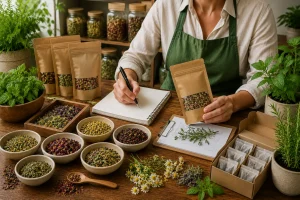
Once your pantry is stocked, establish a repeatable workflow. Start each blending session by weighing ingredients on a calibrated scale accurate to at least 0.1 grams. Record every recipe in a batch log with weights, lot numbers, and sensory notes. This documentation is essential for consistency and for meeting regulatory requirements if you sell across state lines or internationally.
Use separate scoops for each botanical to prevent cross-contamination. Blend in small trial batches (50 to 100 grams) before committing to full production runs. Brew a test cup from every trial batch and note steep time, water temperature, color, aroma, and taste. Adjust ratios in increments of two to three percent until the profile matches your target. Purchasing bulk herbs botanicals in consistent grades makes this calibration process far more predictable, because the raw material performs the same way batch after batch.
Scaling from Pantry to Production
A blending pantry grows with your business. At the cottage level, a single shelving unit may hold your entire inventory. As order volume climbs, you may graduate to a dedicated blending room with climate control, a ribbon blender, and bulk storage bins. The transition is smoother when your pantry habits are already professional: labeled containers, batch records, FIFO rotation, and established supplier relationships.
At higher volumes, request bulk pricing and scheduled deliveries from your supplier. Many brands find that quarterly standing orders reduce per-unit costs by 10 to 20 percent compared to ad-hoc purchasing. This is where a partner like Hatton Naturals adds tangible value, offering bulk herbs botanicals with transparent pricing, reliable lead times, and the documentation your production workflow demands.
Safety Considerations for Blending Operations
Working with dried botanicals in volume raises a few practical safety points. Dust from fine-cut herbs can irritate airways during extended blending sessions. Wear a dust mask when handling powders or when pouring large quantities of cut material. Ensure adequate ventilation in your blending area.
From a product safety perspective, never make therapeutic claims on your packaging unless your product has been reviewed under the appropriate regulatory framework. Phrases like “traditionally used for relaxation” or “herbalists often recommend this blend for evening use” are safer than direct health claims. Keep allergen awareness in mind as well: botanicals from the Asteraceae family (chamomile, calendula, echinacea) may trigger reactions in individuals with ragweed sensitivities. Note this on your labels when applicable.
Frequently Asked Questions
What are the most versatile base botanicals for a tea brand?
Chamomile, peppermint, rooibos, and green tea (such as sencha) cover the widest range of blend styles. They pair well with florals, fruits, spices, and wellness herbs, making them indispensable in any blending pantry stocked with quality bulk herbs botanicals.
How much inventory should a new tea brand keep on hand?
Start with enough base botanicals for 60 to 90 days of projected production. Keep accent herbs and florals at 30 to 45-day levels. This balances freshness against the risk of running out mid-production cycle.
Do I need organic certification to sell organic tea blends?
In the United States, any product labeled “organic” must comply with USDA National Organic Program standards. If your gross organic sales exceed $5,000 annually, you need USDA organic certification. Below that threshold, you may label ingredients as organic without certification, but you cannot use the USDA organic seal.
What cut size works best for tea bags versus loose-leaf?
Tea bags typically require a finer cut and sifted (CS) grade so particles flow through filling machines and steep efficiently in the bag. Loose-leaf products benefit from whole or large-cut formats that showcase the botanical visually and allow controlled steeping.
How do I evaluate a new botanical supplier?
Request samples, COAs, and references. Assess aroma, color, and cut consistency. Ask about lead times, minimum order quantities, and traceability. A trial order before committing to large volumes protects your brand from supply-chain surprises.
Can I blend herbs at home, or do I need a licensed facility?
Regulations vary by state and country. Many U.S. states allow cottage food production for dried tea blends, but some require a commercial kitchen or food handler certification. Check your local health department rules before selling.
What is the shelf life of dried botanicals?
Most dried herbs retain peak quality for 12 to 18 months when stored in airtight containers away from light, heat, and moisture. Highly aromatic herbs like peppermint and lavender may lose potency faster and benefit from six to 12-month rotation.
How do I keep blends consistent across production batches?
Use a calibrated scale, document every recipe with exact weights and lot numbers, and source from suppliers who deliver consistent grades. Brewing a test cup from each batch before packaging catches drift early.
Building a blending pantry stocked with premium bulk herbs botanicals is the foundation of every successful tea brand. When your raw materials are fresh, well-documented, and stored with care, every blend you create reflects that quality in the cup. Explore the full Bulk Organic Herbs and Wholesale Herbs and Spices collections to source the botanicals your pantry needs, with bulk pricing and documentation built for brands that take quality seriously.