Bay Leaf Tea: How to Make It and What to Know
Bay leaf tea is a warm and fragrant herbal drink. Most people know bay leaves from soups and stews. However, the same leaves also make a gentle cup of tea. This guide shows you how to brew it, which leaves to choose, and how to adjust the flavor.
What Is Bay Leaf Tea?
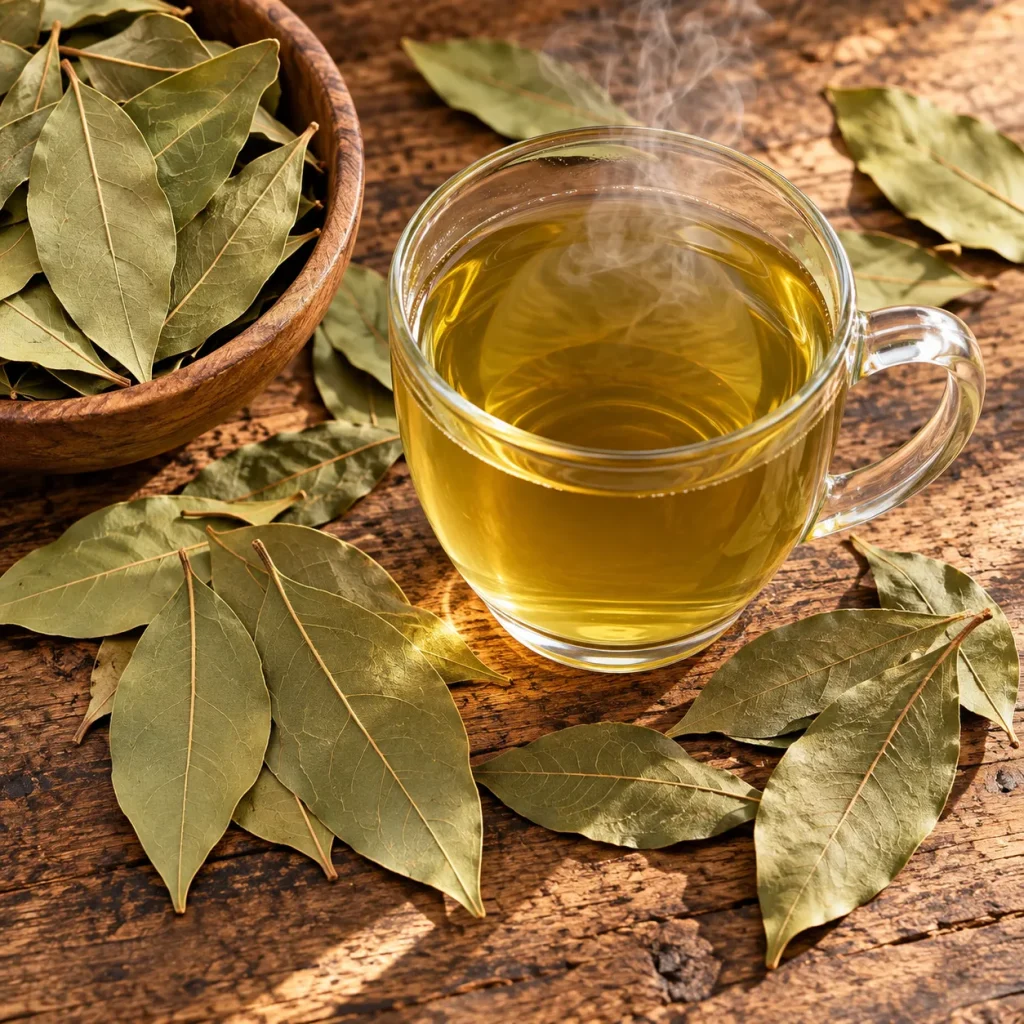
Bay leaf tea is an infusion made by steeping dried bay leaves in hot water. The leaves come from the bay laurel tree, Laurus nobilis. This evergreen tree grows around the Mediterranean. People there have used its leaves in cooking and folk traditions for centuries.
The finished tea has a pale golden color. It tastes herbal and slightly woody, with hints of pine and clove. Some people also notice a light, minty note.
Choosing the Right Leaves for Bay Leaf Tea
Not every plant called “bay” is the same. For tea, look for true bay laurel leaves. California bay leaves have a much stronger, sharper flavor. They can taste harsh in a cup.
Dried leaves are easy to store and brew. In addition, they have a milder taste than fresh leaves. Our organic bay leaves are whole, dried bay laurel leaves that work well for both tea and cooking.
How to Make Bay Leaf Tea
Making this tea takes about 15 minutes. Follow these simple steps:
- Bring 2 cups of water to a boil.
- Add 3 to 4 dried bay leaves to the pot.
- Lower the heat and simmer for 5 minutes.
- Turn off the heat, cover the pot, and steep for another 5 to 10 minutes.
- Strain out the leaves and pour the tea into a mug.
- Add honey or a slice of lemon if you like.
Want a stronger cup? Simply steep it longer. For a lighter taste, use only two leaves. Always remove the leaves before drinking, since whole bay leaves are tough and hard to chew.
Tasty Bay Leaf Tea Variations
Bay leaves blend well with many other herbs and spices. Here are a few popular ideas:
- Bay leaf and cinnamon: add one stick of Ceylon cinnamon for a sweet, warm cup.
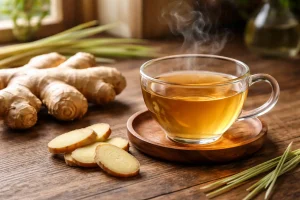
- Bay leaf and ginger: simmer a spoonful of cut ginger root with the leaves for extra spice.
- Bay leaf and cloves: two or three whole cloves give a deep, aromatic flavor.
- Bay leaf and lemon: fresh lemon juice brightens the woody taste.
- Evening blend: mix bay leaves with chamomile flowers for a soft, floral cup.
If you enjoy spiced drinks, you may also like our clove tea guide or our homemade chai recipe.
Traditional Uses of Bay Leaves
In many cultures, people drink bay leaf tea after a large meal. Mediterranean, Latin American, and Caribbean households have enjoyed it for generations. Some families serve it as a calm, caffeine-free drink in the evening.
Keep in mind that these are traditional customs. Research on bay leaves is still limited. Therefore, enjoy this tea as a flavorful herbal drink rather than as a remedy.
What to Keep in Mind
Bay leaf tea is usually enjoyed in modest amounts. Still, a few points are worth knowing:
- Stick to one or two cups a day.
- Always strain out the leaves before you drink.
- If you are pregnant, nursing, or take medication, talk with your doctor first.
- Buy leaves from a trusted source that labels the plant species clearly.
How to Store Bay Leaves
Store dried bay leaves in an airtight container. Keep them in a cool, dark cupboard. Stored this way, they keep their aroma for one to two years. Learn more in our guide to dried herbs shelf life.
Bay Leaf Tea FAQ
What does bay leaf tea taste like?
It tastes mild, woody, and herbal. You may also notice light notes of pine, clove, and mint. Honey or lemon makes it a little sweeter and brighter.
How many bay leaves should I use for one cup of tea?
Two dried leaves per cup is a good start. Use three or four leaves for a pot of about two cups. Adjust the amount to suit your taste.
Can I drink bay leaf tea every day?
Many people enjoy one cup a day as part of their routine. Even so, moderation is key. Check with a healthcare provider if you have any health concerns.
Final Thoughts
Bay leaf tea is easy to make with just water and a few dried leaves. It offers a warm, woody flavor that pairs well with spices and citrus. Try the basic recipe first, then experiment with your favorite add-ins.