Ginger and Ginger Tea at Home: Easy Herbal Methods
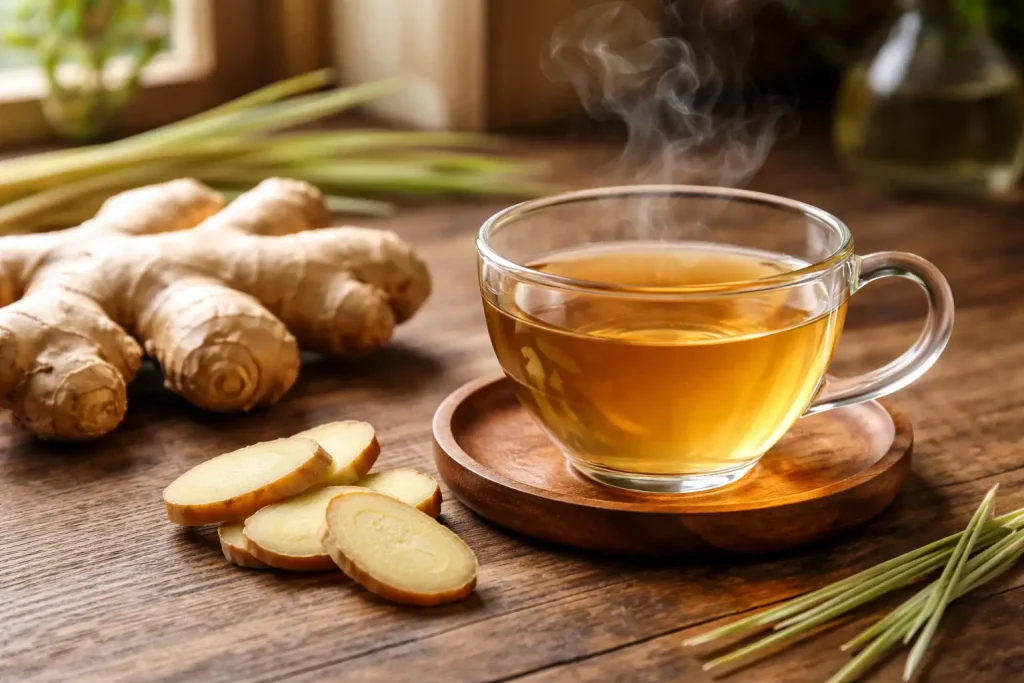
There is a reason herbalists and home tea makers keep returning to ginger and ginger tea. Ginger offers warmth, brightness, and a gentle fire that can feel both grounding and lively in the cup. It works beautifully on its own, but it also plays well with fragrant leaves, roots, and grasses that round out its sharper edges. At home, that gives you options. You can slice fresh rhizome for a vivid kitchen brew, steep cut and sifted ginger for consistency, or build a balanced daily blend that feels polished enough to serve guests.
For tea makers, ginger is especially satisfying because small changes in cut size, steep time, and temperature produce clearly different results. A short infusion feels brisk and citrusy. A longer one pulls more depth, warmth, and body. In this guide, you will learn simple methods, exact ratios, flavor-building ideas, and practical handling tips so you can enjoy ginger in more than one form without wasting material or flattening its aroma.
Why ginger belongs in both the pantry and the teapot
Ginger is versatile because it can act as the star ingredient or as the structural base of a blend. In the kitchen, fresh ginger root brings juicy heat, brightness, and a lively top note that feels immediate. In dry tea making, cut and sifted ginger gives you something else: steadiness. It is easier to measure, easier to blend, and easier to repeat.
That repeatability matters if you want the same cup on Monday that you liked on Saturday. Organic Ginger Root C/S is especially useful for this because the cut size allows water to move through the material evenly. You get a clean infusion without the fibrous mess that often comes from hand-grated fresh root.
If you want a softer, more rounded aromatic profile, blend it with organic lemongrass c/s. The grassy citrus note lifts ginger without hiding it. Together, they make an everyday cup that feels bright, clean, and gently warming rather than aggressive.
Herbalists often think in terms of balance. Ginger brings warmth and motion. Lemongrass brings lightness and freshness. That is why ginger and ginger tea work so well across seasons, from a hot morning mug to a chilled afternoon infusion over ice.
Ginger and ginger tea brewing basics
For a clear, balanced cup, start with good water and disciplined measurements. A lot of home brews go wrong because the maker uses too much ginger, steeps too long, or tries to force intensity from low-quality material.
Here is a reliable base formula for one generous mug:
Basic hot infusion
4 grams Organic Ginger Root C/S
2 grams Organic Lemongrass C/S
300 ml water
Water temperature: 95 to 100°C (203 to 212°F)
Steep time: 8 to 10 minutes
Approximate spoon measure: 2 teaspoons ginger + 1 teaspoon lemongrass
This produces a lively, aromatic cup with a clear ginger backbone and a fresh finish.
For a stronger solo ginger brew:
5 to 6 grams Organic Ginger Root C/S
300 ml water
10 to 12 minutes
Approximate spoon measure: 2 1/2 to 3 teaspoons
For a lighter daily tea:
3 grams Organic Ginger Root C/S
1.5 grams Organic Lemongrass C/S
300 ml water
6 to 8 minutes
Approximate spoon measure: 1 1/2 teaspoons ginger + 3/4 teaspoon lemongrass
If you want a cooling top note over ginger’s warmth, try organic peppermint leaf c/s in small amounts. It freshens the finish without turning the cup into mint tea.
Fresh ginger versus cut and sifted ginger
Many people assume fresh ginger is always better. It is not always better. It is simply different.
Fresh ginger has water, juice, and a bright, almost sparkling immediacy. It is excellent when you want a vivid kitchen-style infusion or when you are making a quick stovetop decoction. Thin slices release flavor fast, especially if lightly bruised before brewing. The cup can feel more aromatic at first sip, but it is also less predictable because each root differs in age, moisture, and pungency.
Cut and sifted ginger is more practical for blending and batch brewing. It stores better, measures cleanly, and tends to give a more even extraction. For people who enjoy ginger and ginger tea several times a week, this consistency is valuable.
Use fresh ginger when:
You want a bright, juicy brew
You are simmering on the stove
You enjoy stronger kitchen aromas while brewing
Use Organic Ginger Root C/S when:
You want repeatable flavor
You are blending with other herbs
You are making several servings at once
You want less prep and less waste
For a rounder, slightly sweeter impression in dry blends, herbalists often pair ginger with organic licorice root c/s. A small amount gives body and softness, especially in winter-style cups.
How to build a more complete home blend
A good ginger blend has shape. It is not just heat. It has an opening note, a middle, and a finish. Think like a tea maker rather than just a steeper of herbs.
Start with ginger as the base. Then choose what role the second herb should play.
- If you want brightness, use lemongrass.
- If you want lift and coolness, use peppermint or spearmint.
- If you want body, use licorice root.
- If you want a more resinous, sacred, green note, use tulsi.
- If you want an aromatic kitchen-spice direction, use fennel in small amounts.
Try these simple blending templates for 100 grams total:
Bright daily blend
65 g Organic Ginger Root C/S
35 g Organic Lemongrass C/S
Cooling finish blend
60 g Organic Ginger Root C/S
25 g Organic Lemongrass C/S
15 g Organic Peppermint Leaf C/S
Soft and rounded blend
70 g Organic Ginger Root C/S
20 g Organic Lemongrass C/S
10 g Organic Licorice Root C/S
Herbalist pantry blend
55 g Organic Ginger Root C/S
25 g Organic Lemongrass C/S
10 g Organic Tulsi Leaf C/S
10 g Organic Fennel Seeds
If you want a sweet green note that stays refreshing, try organic spearmint in place of part of the peppermint. If you want a more temple-like aromatic profile, add organic tulsi leaf c/s in modest amounts so it complements rather than dominates the ginger.
Hot methods, iced methods, and concentrate
Once you understand the base, ginger and ginger tea become easy to adapt to different parts of the day.
Mug method
Use the basic hot infusion for a direct cup. Cover while steeping so the volatile aromatics stay in the brew instead of escaping into the room.
Teapot method
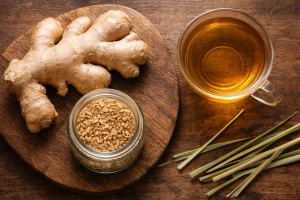 For 1 liter:
14 g Organic Ginger Root C/S
6 g Organic Lemongrass C/S
1 liter water
10 minutes, covered
Strain fully before holding in the pot too long. Ginger can become harsher if the plant material sits in hot liquid for extended periods.
Iced method
Make the tea slightly stronger than usual because ice will dilute it:
16 g Organic Ginger Root C/S
8 g Organic Lemongrass C/S
750 ml hot water
Steep 12 minutes
Strain over 250 g ice
This gives a clean liter of chilled herbal tea with enough structure to stay flavorful.
Concentrate method
For a simple concentrate:
25 g Organic Ginger Root C/S
10 g Organic Lemongrass C/S
500 ml water
Simmer very gently 12 to 15 minutes
Strain and cool
Use 60 to 90 ml concentrate in hot water, sparkling water, or over ice. For a layered finish in chilled drinks, add a little organic fennel seeds to the simmer. They bring a sweet aromatic lift that works surprisingly well with ginger.
Troubleshooting common ginger brews
Even simple herbal drinks can drift off course. Here is how to correct the most common issues without starting over blindly.
Flat flavor
Usually caused by stale material, too little herb, or water that was not hot enough. Increase the dose slightly before increasing steep time. Check aroma in the dry herb first. Good ginger should smell lively and warm.
Too tart
This usually happens when extra acidic ingredients are added or when the tea is chilled and tasted next to sparkling water. Soften it by adding a touch of organic licorice root c/s to the next batch rather than sweetening heavily.
Over-carbonation
If you are topping ginger tea concentrate with sparkling water or using it in a naturally fizzy beverage, leave more headspace and chill thoroughly before opening. Build carbonation outside the herbal steep itself, not inside a sealed container of still tea.
Sediment
Sediment comes from fine particles, broken leaf, or over-handling the dry herbs. Use a finer strainer, or let the brewed liquid settle for a minute before pouring. Cut and sifted herbs usually behave better than powders for this reason.
Aroma loss
Aroma escapes quickly if the cup or pot stays uncovered. Cover during steeping, store dry herbs away from heat, and strain on time. Long holding can dull the bright top notes that make ginger attractive in the first place.
These small corrections make a real difference when working with ginger and ginger tea, especially if you brew often enough to notice the details.
Storage + quality
Good storage is the difference between a lively herbal cup and a tired one. Ginger and companion herbs are aromatic materials, and they respond badly to moisture, light, and heat.
Keep dry herbs in airtight containers. Glass jars with tight seals work well if stored in a dark cabinet. If your kitchen is humid, avoid opening containers while steam is rising nearby. Humidity softens texture, shortens shelf life, and weakens the fragrance.
Check quality with your senses:
Color should look natural, not faded and dusty
Scent should be distinct when the jar opens
The cut should look clean, not overly powdered
There should be no musty, cardboard-like odor
Organic Lemongrass C/S should smell bright and grassy. Organic Ginger Root C/S should smell warm, spicy, and fresh. Leaves like peppermint and tulsi should still carry a recognizable lift, not a flat hay-like smell.
For cleaner daily blending, keep a small working jar and refill it from your main storage. If you enjoy sweeter aromatic profiles, keep organic peppermint leaf c/s or organic spearmint nearby as finishing herbs for fast adjustments.
Safety
Ginger is a culinary and tea herb with a long traditional history, but it still deserves thoughtful handling. Use clean utensils, fresh water, and properly stored herbs. If a material smells stale, dusty, or damp, do not brew with it.
Keep your language practical and compliant too. Herbalists often describe ginger as warming, lively, and traditionally used in daily preparations. That is very different from making medical claims. A home tea article should stay with flavor, preparation, and traditional use.
If you are serving others, label your blend clearly, especially when multiple botanicals are involved. For tea makers producing gifts or small-batch beverage projects, consistency matters. Write down your ratios, steep times, and source materials. That way you can improve with each batch rather than guessing from memory.
Conclusion: making ginger part of your daily tea rhythm
The beauty of ginger and ginger tea is that they reward both simplicity and attention. You can enjoy a quick single-herb mug, or you can shape a more refined blend with lemongrass, peppermint, tulsi, fennel, or licorice. Fresh ginger has its place for vivid stovetop brews, while Organic Ginger Root C/S gives tea makers the consistency needed for daily use and repeatable blending. Start with careful ratios, cover while steeping, store herbs well, and adjust one variable at a time. Before long, your ginger tea stops feeling random and starts feeling crafted.
FAQ
What is the easiest way to start making ginger and ginger tea at home?
Start with 4 grams of Organic Ginger Root C/S and 2 grams of Organic Lemongrass C/S in 300 ml near-boiling water for 8 to 10 minutes.
Is fresh ginger better than dried ginger for tea?
Fresh ginger is brighter and juicier. Dried cut and sifted ginger is more consistent, easier to measure, and better for blends.
How much ginger should I use per cup?
For most people, 3 to 6 grams per 300 ml works well, depending on how bold you want the tea.
What herbs pair well with ginger in tea?
Lemongrass, peppermint, spearmint, tulsi, licorice root, and fennel all pair well with ginger in different ways.
Can I make iced ginger tea without losing flavor?
Yes. Brew it slightly stronger than usual, then strain over ice. Cover the infusion while steeping to preserve aroma.
Why does my ginger tea taste dull?
The herbs may be old, the water may not be hot enough, or the ratio may be too weak. Check scent, freshness, and dose.
How should I store dried ginger and herbs?
Use airtight containers and keep them away from light, humidity, and kitchen heat. Aroma is one of your best freshness cues.
Can I blend ginger tea for everyday use?
Yes. Pre-mixing a dry blend with lemongrass or mint is a practical way to make daily brewing easier and more consistent.