Psyllium Husk Fiber: A Natural Bulk Source
Psyllium husk fiber is one of the most studied and widely used natural fiber supplements available today. Derived from the seed husks of Plantago ovata, a plant native to India and Pakistan, psyllium has been used for centuries in traditional medicine as a gentle, bulk-forming aid for digestive regularity. Today it is a staple ingredient in commercial fiber products and a popular standalone supplement for people who want to increase their daily fiber intake naturally.
This guide explains what psyllium husk fiber is, how it works, how to use it effectively, and what to look for when buying it.
What Is Psyllium Husk Fiber?
Psyllium comes from the crushed seeds of Plantago ovata, a small herb that produces thousands of tiny gel-coated seeds. The outer husk of each seed contains a highly absorbent soluble fiber called mucilage. When this fiber contacts water, it swells dramatically — absorbing up to ten times its own weight in liquid — forming a thick, viscous gel.
This gelling property is what makes psyllium husk fiber unique among dietary fibers. Unlike insoluble fibers such as wheat bran, which add bulk mainly by passing through the gut largely unchanged, psyllium forms a gel that softens stool, slows digestion slightly, and supports the movement of waste through the intestines.
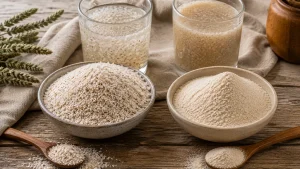
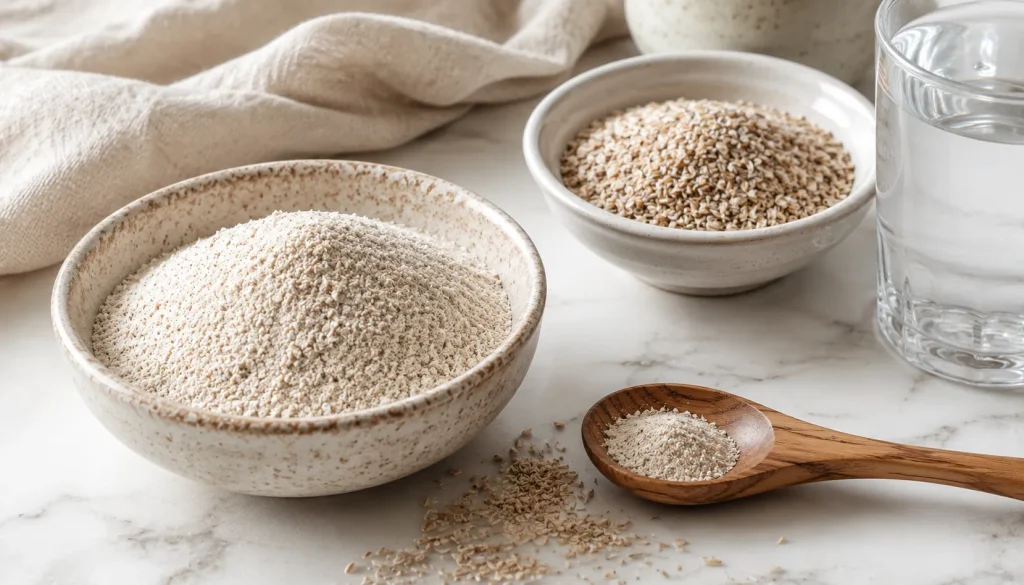
Psyllium is available in two main forms: whole husks and powder. The powder is ground from the whole husks and dissolves more easily in liquids. Both forms offer the same core fiber, but the powder is easier to mix smoothly into drinks and foods. Hatton Naturals carries organic psyllium husk powder in bulk for those who use it regularly.
How Psyllium Husk Fiber Supports Digestion
Psyllium husk fiber works as a bulk-forming agent. When you consume it with adequate water, it expands in the digestive tract and adds volume to the stool. This increase in bulk stimulates the natural muscular contractions of the intestines, supporting regular bowel movements without the harsh effects associated with stimulant laxatives.
The soluble fiber in psyllium also slows the transit of food through the small intestine. This gentler, more gradual movement can support steadier digestion. The gel forms a barrier between digestive enzymes and food particles, moderating the pace at which nutrients enter the bloodstream.
Research published in peer-reviewed journals has consistently shown that psyllium is effective for improving stool consistency and frequency in adults with occasional constipation or loose stools. It is one of the few fiber supplements that is well-tolerated on both ends of the digestive spectrum, making it a broadly applicable option.
It is important to note that psyllium fiber is not a treatment for any medical condition. If you have a diagnosed digestive disorder or are experiencing persistent symptoms, consult a qualified healthcare provider before using fiber supplements.
Psyllium and Cholesterol: What the Research Says
The FDA allows a qualified health claim for psyllium husk and heart disease risk. Specifically, diets that include seven grams of soluble fiber per day from psyllium and that are also low in saturated fat and cholesterol may reduce the risk of heart disease. This claim is based on peer-reviewed clinical research showing that psyllium can help lower LDL cholesterol levels when consumed regularly.
The mechanism appears to be related to the gel’s ability to bind bile acids in the small intestine. Bile acids are made from cholesterol. When psyllium captures them and carries them out of the body, the liver draws on circulating cholesterol to replace them, which can lower LDL levels over time.
This effect requires consistency. Clinical trials typically use psyllium doses of around ten grams per day, split across two or three servings, over several weeks. Results vary by individual, and dietary context matters significantly.
How to Use Psyllium Husk Powder
Psyllium husk powder is easy to incorporate into a daily routine. The most straightforward method is to stir one tablespoon — about seven to nine grams of fiber — into eight ounces of water or juice. Drink it immediately, before it has a chance to gel fully. Then follow with another full glass of water.
The “drink it fast” rule is important. Psyllium powder begins gelling within seconds of contacting liquid. If you let it sit too long before drinking, it becomes very thick and difficult to swallow. Keep a glass of water nearby and drink the mixture promptly.
You can also add psyllium powder to smoothies, oatmeal, yogurt, or baked goods. In smoothies, it thickens the blend noticeably — which some people prefer. In baked goods, it acts as a binder, especially useful in gluten-free recipes. A teaspoon in muffins or quick breads adds fiber without significantly changing the flavor.
Start with a small dose — half a tablespoon — and increase gradually over one to two weeks. This allows your digestive system to adjust to increased fiber intake without excessive gas or bloating.
Dosage and Hydration Guidelines
Adequate hydration is essential when using psyllium husk fiber. The fiber needs water to form its gel properly. Without enough fluid, it can cause bloating or, in rare cases, contribute to blockage. Most guidelines recommend drinking at least eight ounces of water with each serving and maintaining good general hydration throughout the day.
Typical daily doses range from five to fifteen grams, depending on individual fiber needs and tolerance. For digestive regularity, one to two tablespoons per day in divided doses is a common starting point. For the cholesterol-related FDA-qualified health claim, the studied dose is approximately ten grams per day.
Take psyllium at least two hours apart from medications, as the fiber can interfere with absorption. This is particularly important for people taking thyroid medications, diabetes drugs, or certain heart medications. When in doubt, consult your pharmacist or healthcare provider.
What to Look For When Buying Psyllium
Quality varies among psyllium products. Look for powder made from high-purity psyllium husk, ideally with a husk content of ninety-five percent or higher. Lower-purity products contain more seed material and less of the active fiber, which reduces effectiveness per serving.
Organic certification matters for those concerned about pesticide residue. India is the world’s largest producer of psyllium, and organic farming practices ensure the husk is grown without synthetic pesticides or herbicides.
Avoid products with added sweeteners, artificial flavors, or excessive fillers. Pure psyllium powder has very little flavor on its own — a mildly earthy, slightly nutty taste that disappears in most beverages. Simple ingredient lists are a good sign of quality.
Storing Psyllium Husk Powder
Store psyllium husk powder in a sealed container away from moisture, heat, and light. The main concern is humidity — even a small amount of moisture can cause the powder to begin gelling prematurely, creating clumps. A glass jar with a tight lid in a cool, dry pantry is ideal.
Properly stored psyllium powder stays fresh for up to two years. Check the texture periodically. Fresh powder should flow freely and feel silky. Clumped or hardened powder has likely absorbed moisture and may not dissolve as easily in liquids.
Note: Psyllium husk fiber is a dietary supplement, not a treatment for any medical condition. Always consult a qualified healthcare provider before starting a new supplement, especially if you have a diagnosed health condition or take prescription medications.
Frequently Asked Questions About Psyllium Husk Fiber
How quickly does psyllium husk work?
Most people notice results within twelve to seventy-two hours of taking psyllium husk, depending on their starting digestive transit time. Consistent daily use produces more reliable results than occasional use. It typically takes one to two weeks of regular use to see the full benefit on stool consistency.
Can you take psyllium husk every day?
Yes, daily use is common and well-supported by research. Most clinical studies showing digestive and cholesterol benefits use psyllium daily for eight to twelve weeks or longer. Start with a lower dose and increase gradually to allow your digestive system to adapt.
What is the difference between psyllium husk and psyllium husk powder?
Psyllium husk refers to the whole outer seed coat, which has a coarser texture. Psyllium husk powder is the same material finely ground. The powder dissolves more easily in liquids and is often preferred for mixing into drinks and recipes. Both forms contain essentially the same fiber content by weight.
Is psyllium husk gluten-free?
Yes, psyllium husk is naturally gluten-free. It is derived from the Plantago ovata plant, not from wheat or any grain. It is a popular binder in gluten-free baking, where it helps hold doughs and batters together in the absence of gluten. Always check that the specific product you purchase is processed in a gluten-free facility if cross-contamination is a concern.
Ready to add more fiber to your routine? Shop organic psyllium husk powder at Hatton Naturals — available in bulk, certified organic, and shipped directly to your door.