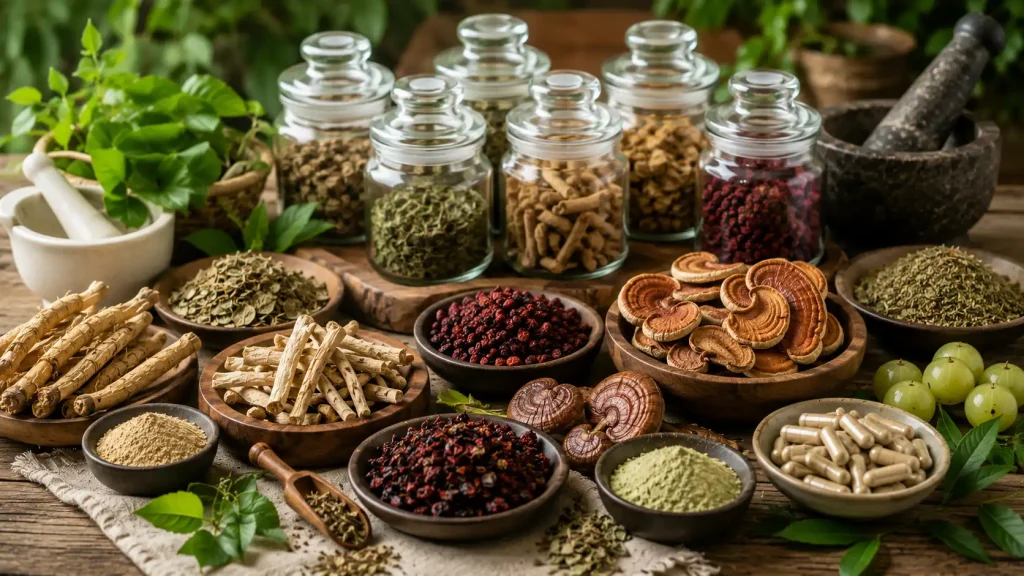
Organic Adaptogens in Bulk: Ashwagandha, Tulsi, Reishi
The market for organic adaptogens wholesale bulk has grown significantly as wellness brands, supplement companies, tea blenders, and functional food manufacturers seek reliable supplies of these time-honored botanicals. Adaptogens are a category of herbs and mushrooms traditionally used in Ayurvedic, Chinese, and other holistic systems to support the body’s ability to handle occasional stress. Ashwagandha, tulsi, reishi, schisandra, gotu kola, moringa, and amla represent some of the most sought-after adaptogens in today’s marketplace. For buyers, sourcing these ingredients in bulk requires careful attention to quality, certification, and supplier transparency. Not all adaptogen products are equal. Origin, processing method, cut style, and organic certification all influence the final product you deliver to your customers.
In this guide, we provide a comprehensive overview of the leading adaptogenic botanicals, what makes each one distinctive, and what professional buyers should evaluate before placing wholesale orders. Whether you are formulating capsules, blending teas, or developing wellness powders, this resource will help you make informed sourcing decisions for organic adaptogens wholesale bulk.
Botanical Profile: Ashwagandha
Ashwagandha (Withania somnifera) is the cornerstone of Ayurvedic adaptogenic practice, with a documented history spanning thousands of years. The root is the primary part used, valued for its earthy, slightly bitter flavor and its role in traditional wellness formulations. For buyers sourcing organic adaptogens wholesale bulk, ashwagandha is available in two main formats. Organic Ashwagandha Root Cut and Sifted is ideal for tea blending, tincture making, and decoction preparations. Organic Ashwagandha Powder serves capsule filling, smoothie blends, functional food formulation, and Ayurvedic preparations. Demand for ashwagandha has surged across North American and European markets, making it one of the most commercially important adaptogens for wholesale buyers. When evaluating suppliers, look for root-only products without stem or leaf filler, consistent particle size, and certification that confirms organic growing practices.
Botanical Profile: Tulsi (Holy Basil)
Tulsi (Ocimum tenuiflorum) holds a revered place in Indian tradition, where it is grown in household gardens and used in daily wellness rituals. Several varieties exist, each with a distinctive flavor profile. Organic Tulsi Krishna Cut and Sifted offers a peppery, clove-like intensity with a dark leaf color. Organic Tulsi Vana Cut and Sifted delivers a lighter, more aromatic character with lemony undertones. For powder applications, Organic Tulsi Krishna Powder is available for encapsulation and formulation work. Tulsi is one of the most versatile organic adaptogens wholesale bulk products because it works equally well as a standalone herbal tea, a blend ingredient, and a supplement component. Its pleasant taste profile makes it consumer-friendly, which translates to strong sell-through rates for retail products.
Traditional and Modern Uses of Adaptogens
Adaptogenic herbs have been central to traditional wellness systems for centuries. In Ayurveda, ashwagandha is classified as a rasayana, or rejuvenating tonic, used to support vitality and resilience. Tulsi is considered sattvic, a plant that promotes clarity and balance. In Traditional Chinese Medicine, reishi mushroom (Ling Zhi) has been used as a longevity tonic for over two thousand years, while schisandra berry is classified among the elite “superior herbs” in the Chinese pharmacopoeia. Modern interest in adaptogens has brought these traditional ingredients into mainstream wellness. They appear in functional beverages, protein powders, supplement capsules, herbal teas, energy bars, and skincare products. The global adaptogen market continues to expand as consumers seek plant-based approaches to stress management and general wellness. For businesses sourcing organic adaptogens wholesale bulk, this sustained demand creates meaningful commercial opportunity across multiple product categories.
Reishi and Other Mushroom Adaptogens
Reishi (Ganoderma lucidum) is perhaps the best-known adaptogenic mushroom, prized in East Asian traditions for its role in supporting calm and overall wellness. While Hatton Naturals specializes in certified organic herbs and botanicals rather than mushroom products, reishi deserves mention in any comprehensive adaptogens guide because buyers frequently source it alongside herbal adaptogens. When purchasing reishi, look for fruiting body extracts rather than mycelium-on-grain products, as fruiting bodies contain higher concentrations of the bioactive compounds associated with reishi’s traditional reputation. For the herbal side of your adaptogen product line, pair reishi with botanicals like ashwagandha and tulsi that Hatton Naturals does supply in certified organic bulk quantities.
Schisandra Berry: The Five Flavor Adaptogen
Organic Schisandra Berry is a remarkable adaptogenic fruit that contains all five basic flavors: sweet, sour, salty, bitter, and pungent. This complexity makes it fascinating as both a functional ingredient and a flavor component. In Traditional Chinese Medicine, schisandra is used to support mental clarity and physical endurance. For wholesale buyers, schisandra is available as a whole dried berry that works in tea blends, tinctures, and decorative wellness products. Its tart, fruity flavor pairs well with sweeter herbs like licorice root or stevia leaf. Schisandra is growing in popularity among organic adaptogens wholesale bulk buyers who want to offer something distinctive beyond the more common ashwagandha and tulsi products.
Gotu Kola: The Herb of Longevity
Gotu kola (Centella asiatica) is an adaptogenic herb used in both Ayurvedic and Southeast Asian traditions. Organic Gotu Kola Cut and Sifted is well suited for tea blending and tincture production, while Organic Gotu Kola Powder works in capsules and powder blends. Gotu kola has a mild, slightly bitter, grassy flavor that blends easily with other herbs. It is traditionally associated with cognitive support and has been used in Ayurvedic practice as a meditative aid. For buyers building an adaptogen product line, gotu kola adds variety and appeals to customers interested in cognitive wellness. It is also popular in the natural skincare ingredient market, making it a dual-purpose inventory item for businesses that operate across categories.
Moringa and Amla: Nutrient-Dense Adaptogens
While not always classified strictly as adaptogens in the traditional sense, moringa and amla are frequently grouped with adaptogenic herbs in the modern wellness market due to their nutrient density and traditional use in resilience-building formulations. Organic Moringa Powder and Organic Moringa Cut and Sifted offer a mild, earthy green ingredient that is rich in naturally occurring vitamins and minerals. Organic Amla Powder (Indian gooseberry) provides a tart, fruity flavor and is one of the most vitamin-C-dense botanicals available. Both ingredients work well in supplement formulations, smoothie blends, and wellness teas. For wholesale buyers assembling an organic adaptogens wholesale bulk catalog, moringa and amla broaden your offering and attract health-conscious consumers who prioritize nutritional value.
What Buyers Should Know
Purchasing organic adaptogens wholesale bulk requires more diligence than buying retail products. Here are the critical factors professional buyers should evaluate. Volume pricing and minimum order quantities vary by supplier and by ingredient. Ashwagandha and tulsi, being widely cultivated, typically offer lower per-kilogram costs than rarer botanicals like schisandra. Lead times for organic certified products can be longer than conventional equivalents, so plan your purchasing calendar accordingly. Request samples before committing to large orders. Evaluate samples for aroma intensity, color consistency, cut uniformity, and absence of foreign material. Confirm that the supplier holds current organic certification and can provide documentation for each lot. Verify the product’s country of origin, as this affects both quality perception and regulatory compliance in your market. Finally, assess the supplier’s capacity to fulfill repeat orders consistently. A supplier who delivers excellent product once but cannot maintain inventory is a liability, not a partner.
Sourcing and Quality Indicators
Quality in organic adaptogens wholesale bulk comes down to measurable and observable factors. Certificates of analysis should accompany every lot, confirming identity, purity, moisture content, and the absence of heavy metals, pesticides, and microbial contaminants beyond acceptable limits. Hatton Naturals provides COA documentation for its products, allowing buyers to verify quality independently. Visual inspection remains important: ashwagandha root should appear cleanly cut with a characteristic tan-brown color and earthy aroma. Tulsi leaves should be green to dark green with intact leaf structure, not crumbled to dust. Schisandra berries should be plump and deeply colored. Beyond the product itself, evaluate the supplier’s certifications, including USDA Organic and any relevant food safety certifications. A transparent supplier profile that details sourcing practices, quality testing protocols, and customer support capabilities distinguishes professional wholesale partners from commodity resellers.
Safety Considerations
Adaptogenic herbs have long histories of traditional use, but responsible sourcing and communication require awareness of safety considerations. Ashwagandha belongs to the nightshade family, and individuals with nightshade sensitivities should exercise caution. Tulsi may interact with blood-thinning medications according to some traditional references. Schisandra is generally well tolerated but should be used conservatively by individuals with liver conditions. If you manufacture consumer products containing adaptogens, your labeling should include appropriate disclaimers advising customers to consult a healthcare provider before use, especially if pregnant, nursing, or taking medications. Follow FDA guidelines for dietary supplement labeling and avoid structure-function claims that have not been reviewed or substantiated. Responsible marketing builds long-term consumer trust and protects your brand from regulatory complications. Source your organic adaptogens wholesale bulk from suppliers who can provide safety data sheets and regulatory guidance as part of their service.
Frequently Asked Questions
What is the minimum order for organic adaptogens wholesale bulk?
Minimum orders vary by supplier and product. Many specialty suppliers offer wholesale pricing starting at one to five kilograms per item, making it accessible for small brands and tea blenders. Contact your supplier directly for current minimums and volume pricing tiers.
Are all adaptogens safe to combine in a single product?
Most traditional adaptogenic herbs blend safely. However, each combination should be evaluated for potential interactions, particularly if your product will be marketed as a dietary supplement. Consult a qualified herbalist or regulatory advisor when developing multi-ingredient formulations.
What is the difference between cut-and-sifted and powdered adaptogens?
Cut-and-sifted material retains visible leaf or root structure and is ideal for tea blending and tincture making. Powdered material is ground fine and suits capsule filling, smoothie additions, and functional food recipes. Both forms are available as organic adaptogens wholesale bulk from quality suppliers.
How should I store bulk adaptogenic herbs?
Store in airtight containers in a cool, dark, dry location. Ideal conditions are 15 to 22 degrees Celsius with humidity below 60 percent. Properly stored, most dried adaptogenic herbs maintain peak quality for 12 to 24 months.
Does Hatton Naturals sell reishi mushroom?
Hatton Naturals specializes in certified organic herbs, spices, and botanical products. Reishi mushroom is not currently part of the product catalog. However, a wide range of herbal adaptogens including ashwagandha, tulsi, schisandra, gotu kola, moringa, and amla are available in bulk.
How do I verify that adaptogenic herbs are truly organic?
Request the supplier’s current USDA Organic certificate and ask for lot-specific certificates of analysis. Reputable suppliers like Hatton Naturals make these documents readily available and can trace each product back to its certified organic source.
What adaptogenic herbs are most popular for tea blending?
Tulsi, ashwagandha, and schisandra are the most commonly used adaptogens in tea blends. Tulsi works as a standalone tea, while ashwagandha and schisandra are typically blended with complementary herbs like ginger, cinnamon, or lemongrass for a balanced flavor profile.
Can I use organic adaptogens wholesale bulk in skincare products?
Yes. Several adaptogenic herbs, notably gotu kola, moringa, and amla, are used in natural skincare formulations. Ensure that the products you purchase are suitable for your intended application and that your formulations comply with cosmetic safety regulations in your market.
Sourcing organic adaptogens wholesale bulk is a strategic investment for any wellness-focused brand. With ashwagandha, tulsi, schisandra, gotu kola, moringa, and amla available in certified organic bulk quantities, you have the building blocks for a compelling adaptogen product line. Prioritize quality, verify certifications, and partner with suppliers who share your commitment to transparency and purity.