Buying Spices Online: Tips for Quality
Buying spices online has become the preferred method for serious home cooks, professional chefs, and herbal enthusiasts who want access to a broader selection at better prices than most local retail options provide. However, shopping for spices online comes with its own set of considerations. Knowing what to look for — in terms of supplier reputation, documentation, sourcing, and freshness indicators — ensures that every order delivers genuinely high-quality product.
Why Buy Spices Online?
The case for buying spices online is compelling on several fronts. Supermarket spice brands typically stock small quantities of pre-ground spices that may have been sitting in a distribution warehouse for months before even hitting the shelf. By the time the jar reaches your pantry, the spice may already be twelve to eighteen months old.
Online specialty suppliers, by contrast, often work directly with importers and can offer fresher, more recently dried material. Furthermore, online purchasing opens up access to specialty items — true Ceylon cinnamon, whole green cardamom, single-origin turmeric — that simply do not appear on most grocery store shelves. As a result, your cooking and blending options expand dramatically when you source spices from dedicated online suppliers.
Cost efficiency is another major advantage. Buying in larger quantities from online bulk suppliers typically costs significantly less per ounce than buying individual retail jars. Additionally, many online spice sellers offer transparent sourcing information that is simply not available on grocery store packaging.
What to Look for in an Online Spice Supplier
When buying spices online, supplier reputation and transparency are the most important criteria to evaluate. A quality spice supplier should be able to tell you the country of origin for each spice, the harvest year or approximate age of their current stock, and whether they perform any quality testing.
Organic certification is a strong positive signal, particularly for spices that are commonly associated with high pesticide residues, such as non-organic cinnamon, turmeric, and black pepper. However, organic certification alone does not guarantee freshness or quality. Moreover, certification should be confirmed by a recognized certifying body rather than self-declared.
Third-party testing documentation (COAs) for heavy metals, microbial counts, and pesticide residues is the gold standard for online spice purchasing. Reputable suppliers make this documentation available. Therefore, asking for COAs or checking whether a supplier posts them publicly is a quick way to assess their commitment to quality.
Key Spices Worth Buying Online
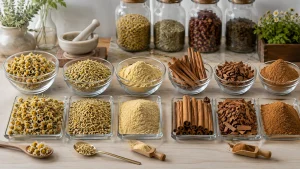
Several spices particularly reward the investment in quality sourcing when buying spices online. True Ceylon cinnamon (Cinnamomum verum) is one of the most compelling examples. Most grocery store “cinnamon” is actually cassia (C. aromaticum), a related but distinct species with a different chemical profile. True Ceylon cinnamon has a more delicate, complex flavor and lower coumarin content — a meaningful difference for those who use cinnamon frequently.
Whole green cardamom is another excellent online purchase. Whole cardamom pods retain their aromatic compounds far longer than pre-ground cardamom. When you grind the seeds immediately before use, the flavor is dramatically more vibrant than anything from a pre-ground spice jar. Similarly, whole cloves are far superior to ground cloves for both flavor intensity and shelf stability.
For turmeric powder, sourcing from a supplier who tests for curcuminoid content and heavy metals is particularly important, as turmeric has historically been one of the spices most frequently found to have elevated lead levels in some supply chains. Buying from a supplier with documented testing gives you confidence in what you are consuming.
Evaluating Freshness When Your Order Arrives
When buying spices online, you rely on the supplier’s quality control until the shipment arrives. Once you receive your order, evaluate freshness immediately. Open each package and smell the contents — fresh spices have a pronounced, characteristic aroma that should be immediately evident.
Whole spices should have intact structure without excessive breakage. Powders should flow freely without clumping (clumping suggests moisture exposure). Color should match what you would expect: turmeric should be deep orange-yellow, cinnamon should be warm tan-brown, and whole cloves should be a deep brown with intact buds.
If a spice arrives with an off smell, discoloration, moisture damage, or signs of insect activity, contact the supplier immediately. Reputable online spice vendors will replace damaged or substandard shipments. Consequently, choosing a supplier with a clear return and quality guarantee policy is worthwhile.
Storing Bulk Spices After Purchase
Buying in bulk online delivers value only if you store the spices properly. Transfer spices from their shipping bags to airtight containers — metal tins or dark glass jars — as soon as possible after receipt. Store in a cool, dark location away from heat sources. Ground spices are most vulnerable to degradation; use them within six to twelve months of purchase.
For large quantities you will not use quickly, divide the bulk purchase into portions. Keep one working portion in an accessible container and store the remainder vacuum-sealed or in Mylar bags with oxygen absorbers. As a result, you preserve the quality of your investment while keeping your daily-use supply conveniently accessible.
Safety and Precautions
When buying spices online in bulk, prioritize suppliers who test for heavy metals, mycotoxins, and pesticide residues. Certain spices — particularly turmeric, ginger, and paprika — have historically been associated with elevated lead levels in some supply chains. Purchasing from suppliers who provide documentation of testing for these contaminants reduces your risk significantly. Discard any spices that arrive with off odors, visible mold, or moisture damage. This content is for informational purposes only.
Frequently Asked Questions
Is buying spices online actually fresher than grocery stores?
It can be, depending on the supplier. Specialty online spice suppliers often have higher product turnover and more direct supply chains than supermarket brands, which can mean fresher material. The key is choosing a supplier who can provide sourcing dates and has strong quality control practices — freshness is never automatic simply because a product is sold online.
Should I buy whole or ground spices online?
Whole spices are almost always the better choice for long shelf life and maximum flavor. Whole spices like cardamom, cloves, and cinnamon retain their aromatic compounds much longer than ground versions. Grind them as needed using a spice grinder or mortar and pestle for noticeably better results.
What certifications should I look for?
USDA Organic is the most recognized certification for domestically sold products. For international sourcing, look for equivalent certifications from recognized bodies. Additionally, look for suppliers who provide third-party COAs for heavy metals, microbial testing, and pesticide residues — these documents go well beyond what any single certification covers.
How much should I buy at once?
Buy quantities that you will use within the herb’s peak freshness window. Ground spices: six to twelve months. Whole spices: twelve to twenty-four months. Bulk buying makes sense for spices you use frequently; for specialty spices used occasionally, smaller quantities ensure you use them before they age.
Buying spices online puts exceptional ingredients within reach at prices that make quality accessible. Browse our organic spice collection to explore whole and cut spices sourced with quality and transparency in mind.