Moringa Protein Content: A Plant-Based Powerhouse
Moringa protein content is one of the key reasons this leaf powder has attracted attention from the sports nutrition industry. Moringa oleifera, often called the “drumstick tree,” delivers impressive moringa protein content with a complete amino acid profile, which is rare among botanical ingredients.
Breaking Down the Moringa Protein Content
Dried moringa leaf powder typically contains 25% to 30% protein by weight. While this is lower than concentrated protein isolates like whey (80%+) or pea protein (85%+), it is remarkably high for a whole leaf powder. For context, spirulina contains about 60% protein, but moringa offers a broader nutritional profile beyond just protein.
What makes moringa protein particularly interesting is its amino acid completeness. It contains all nine essential amino acids, including leucine, isoleucine, and valine (the branched-chain amino acids, or BCAAs, that are central to muscle protein synthesis). This complete profile is uncommon in plant sources and positions moringa as a complementary protein ingredient.
Applications in Sports Nutrition Products
Brands do not position moringa as a primary protein source in supplements. Instead, it functions as a nutritional enhancer that adds protein alongside vitamins, minerals, and antioxidants. Common applications include:
- Protein blend powders: Added to whey or plant protein blends to boost the micronutrient profile. Organic moringa powder integrates smoothly into existing formulations.
- Green superfood blends: Combined with spirulina, chlorella, wheatgrass, and other green powders for comprehensive nutrition.
- Meal replacement shakes: Moringa adds protein, iron, calcium, and vitamins A and C, making meal replacements more nutritionally complete.
- Functional food bars: Ground moringa leaf can be incorporated into bar formulations for added nutrition and a green-food marketing angle.
Nutritional Profile Beyond Protein
The appeal of moringa for supplement brands extends beyond its protein content. Dried moringa leaf powder is also rich in:
- Iron (important for oxygen transport during exercise)
- Calcium (relevant for bone density in athletes)
- Vitamin A and beta-carotene
- Vitamin C (though heat-sensitive, so processing matters)
- Potassium and magnesium (electrolyte minerals)
As a result, this nutrient density makes moringa a multi-functional ingredient. Rather than adding separate vitamin and mineral premixes, brands can use moringa to contribute naturally occurring micronutrients. This aligns with the whole-food and clean-label trends driving consumer purchasing decisions.
Sourcing and Quality Factors
Moringa grows in tropical and subtropical regions, with India, Africa, and the Philippines being major producing areas. Moringa cut and sifted is also available for tea and infusion products.
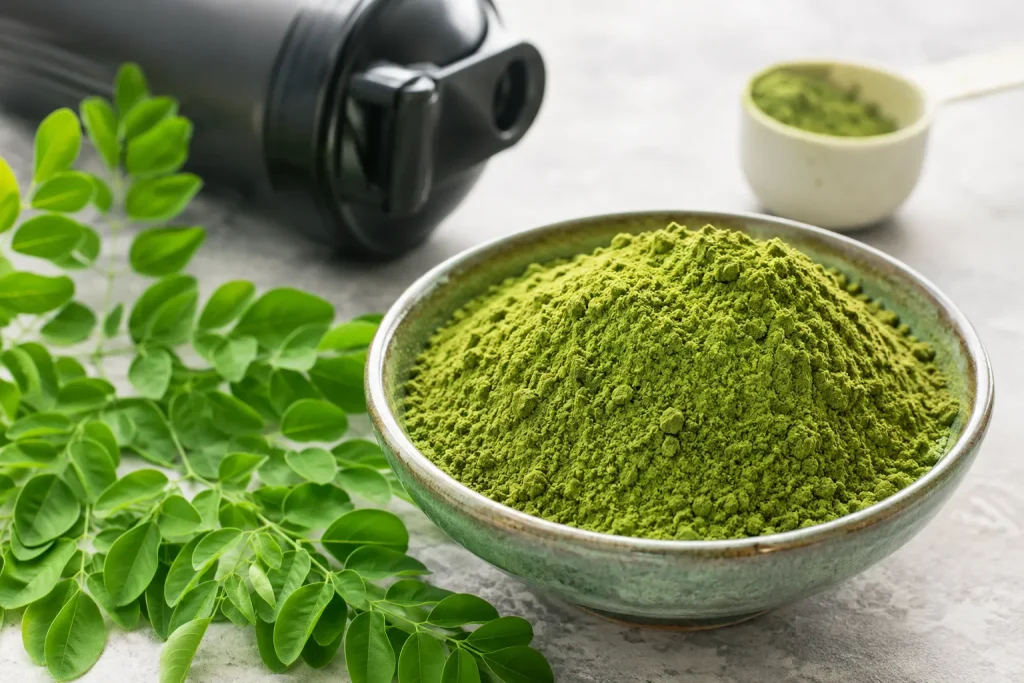
However, quality varies significantly based on harvesting and drying methods. Shade-dried moringa retains more nutrients than sun-dried or machine-dried alternatives. The color of the powder is a quick quality indicator: bright green suggests proper processing, while yellowish or brownish powder indicates degradation or poor drying practices.
Therefore, heavy metal testing is especially important for moringa. The plant acts as an efficient bioaccumulator, meaning it readily absorbs minerals from the soil, including potentially harmful heavy metals. Third-party lab testing for lead, arsenic, cadmium, and mercury should be standard for every batch.
Marketing Moringa Protein Content to Fitness Brands
Moringa occupies the intersection of superfoods and sports nutrition, making it attractive for brands that straddle both categories. It appeals to the growing segment of fitness consumers who want whole-food-based supplements rather than isolated synthetic nutrients.
Marketing moringa’s protein content works best when framed as “complete plant protein with whole-food nutrition” rather than competing directly with high-concentration protein powders. The story is about nutritional complexity, not protein density. Explore our botanical ingredient quiz to find the right superfood for your fitness product.
How does moringa protein compare to whey protein for muscle building?
Moringa and whey serve different roles in sports nutrition. Whey protein provides 80% or more protein by weight with a high leucine content optimized for muscle protein synthesis. Moringa at 25% to 30% protein functions more as a whole-food nutrient booster. They complement each other well in blended formulations but moringa should not be positioned as a direct whey replacement.
Does moringa powder blend well in protein shakes?
Yes, moringa powder blends readily into liquid formulations. It has a mild, slightly earthy and grassy flavor that pairs well with vanilla, chocolate, and berry flavoring systems. The green color is a consideration for product appearance. Some brands use moringa specifically for its green color as a natural alternative to synthetic colorants in green-themed products.
What serving size of moringa is typical in supplement products?
Supplement products typically include 1 to 5 grams of moringa powder per serving. Products focused specifically on moringa tend toward the higher end (3 to 5 grams), while multi-ingredient blends may use 1 to 2 grams as part of a broader formula. These amounts provide meaningful contributions of protein, iron, and other nutrients without overwhelming the flavor profile of the finished product.