What Does “Wildcrafted” Mean? A Buyer’s Perspective
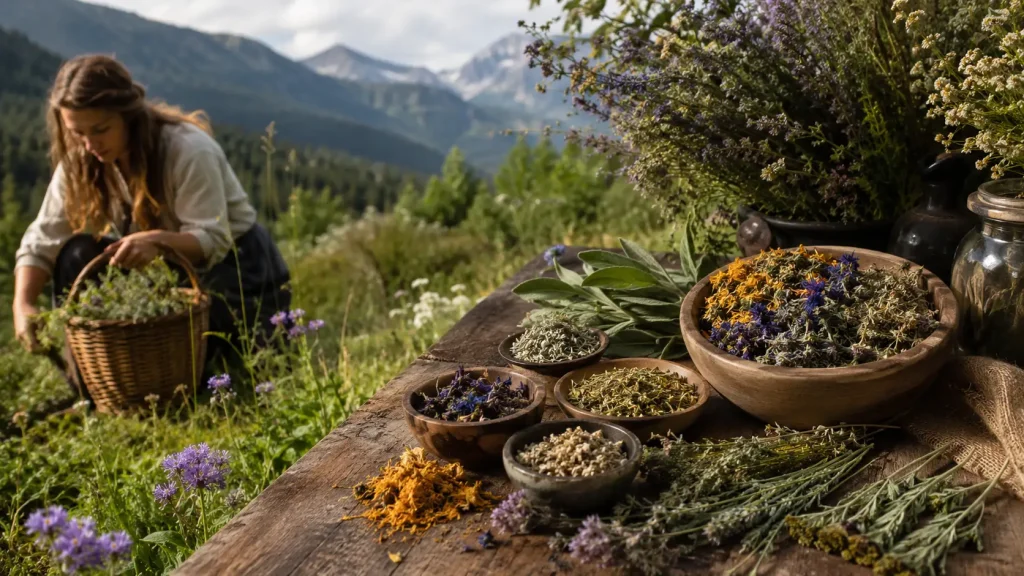
The term “wildcrafted” appears on product labels, supplier catalogs, and ingredient lists across the herbal industry, yet many buyers are unsure what it actually means or how it compares to organic certification. Understanding the wildcrafted herbs meaning is important for anyone sourcing botanicals, whether you run a tea company, a supplement brand, or a small apothecary shop. At its core, wildcrafting refers to the practice of harvesting plants from their natural, wild habitat rather than from cultivated fields or farms. These plants grow without human intervention in forests, meadows, mountainsides, and wetlands.
They are gathered by trained collectors who know the land, the species, and the sustainable harvest limits that allow plant populations to regenerate. For buyers, wildcrafted herbs represent a distinct sourcing category with its own advantages, limitations, and quality considerations. This guide explores the wildcrafted herbs meaning in practical detail, covering everything from how wild harvesting works to what you should look for when evaluating wildcrafted products from suppliers like Hatton Naturals. By the end, you will have the knowledge to make confident purchasing decisions about wild-harvested herbs and communicate their value to your own customers.
Botanical Profile: What Makes a Herb Wildcrafted
A wildcrafted herb is one that has grown in its natural environment without cultivation, irrigation, fertilization, or pest management by humans. The plant establishes itself through natural seed dispersal and thrives within its native ecosystem. Wildcrafted specimens often grow alongside diverse companion species, drawing nutrients from undisturbed soils and adapting to local climate conditions over generations.
This is fundamentally different from cultivated herbs, even organic ones. Organic farming still involves planting, tending, and harvesting crops in managed fields. The soil is amended, the rows are weeded, and the harvest is scheduled. Wildcrafting, by contrast, follows the plant on its own terms. The collector goes to where the plant grows naturally and harvests only what the population can sustain.
Common examples of wildcrafted herbs include passion flower, which thrives in wild meadows and forest edges, and red clover, which colonizes grasslands and field margins naturally. Nettle, dandelion, and elderflower are other herbs frequently sourced through wildcrafting.
Traditional and Modern Uses of Wild-Harvested Herbs
Wildcrafting is one of the oldest forms of human interaction with the plant world. For thousands of years, herbalists, healers, and foragers gathered plants directly from the wild. Traditional herbal medicine systems across every continent relied on this practice long before organized agriculture existed.
In modern commerce, the wildcrafted herbs meaning carries particular significance for several market segments. Herbalists and naturopaths often prefer wildcrafted ingredients because these plants have developed their full phytochemical profile in response to natural environmental stresses. Specialty tea blenders value wildcrafted herbs for their distinctive flavor profiles. Skincare and cosmetic brands use the wildcrafted designation as a marketing differentiator that signals purity and authenticity.
Products like sunflower petals and blue cornflower are popular in both tea blends and cosmetic formulations, where their natural growing conditions contribute to vibrant color and clean composition.
How Wildcrafting Works in Practice
Professional wildcrafting is a skilled trade. Collectors must identify species accurately, assess population health, determine optimal harvest timing, and follow sustainable harvest protocols. Most wildcrafting guidelines stipulate that no more than one third of any plant population should be harvested in a given season to allow full regeneration.
Harvest areas are typically mapped and monitored over multiple years. Collectors rotate between sites to prevent over-harvesting. The timing of harvest is critical because active compound levels fluctuate with season, weather, and growth stage.
After collection, wildcrafted herbs undergo the same drying and processing steps as cultivated herbs. They are sorted, cleaned, dried to appropriate moisture levels, and tested for quality. The difference lies entirely in how and where the living plant was grown and harvested.
Wildcrafted vs Organic: Key Differences Buyers Should Know
One of the most common questions around wildcrafted herbs meaning is how it compares to organic certification. These are related but distinct concepts.
Organic certification (USDA Organic, EU Organic, etc.) applies to cultivated crops grown according to specific standards that prohibit synthetic pesticides, herbicides, and fertilizers. The certification requires documented compliance, annual inspections, and paper trails. Bulk organic herbs carry this certification as a guarantee of farming practices.
Wildcrafted herbs, by definition, were never farmed at all. They were not sprayed, fertilized, or treated because they grew wild. However, “wildcrafted” is not a regulated certification in the same way organic is. Some third-party certifiers do offer wildcrafted verification programs, but there is no single mandatory standard.
This means buyers need to rely on supplier transparency and documentation. A reputable supplier will provide harvest region details, collector information, sustainability practices, and testing results. Wild-harvested herbs from Hatton Naturals come with certificates of analysis and clear sourcing data.
What Buyers Should Know Before Purchasing Wildcrafted Herbs
If you are considering adding wildcrafted herbs to your product line, there are several practical factors to evaluate.
Supply consistency: Wild plant populations fluctuate with weather, climate, and ecological conditions. A drought year can dramatically reduce the availability of a wildcrafted herb. This makes supply planning more challenging than with cultivated organic herbs. Build flexibility into your formulations so that temporary shortages do not halt production.
Pricing: Wildcrafted herbs often carry a premium over cultivated equivalents. The labor-intensive collection process, lower yields, and limited availability all contribute to higher costs. Factor this into your product pricing.
Regulatory labeling: If your products make claims about ingredients being wildcrafted, ensure you have documentation to support those claims. Consumer protection regulations require that label claims be truthful and substantiated. Keep supplier certificates and sourcing records on file.
Customer education: Many consumers do not know the wildcrafted herbs meaning, so you may need to explain the concept on your packaging or website. This is also an opportunity to tell a compelling sourcing story that differentiates your brand.
Sourcing and Quality Indicators for Wildcrafted Herbs
Evaluating wildcrafted herb quality requires the same sensory and analytical methods used for any botanical, plus additional sourcing verification.
Look for vibrant, natural color. Wild-harvested passion flower should display the characteristic green of dried aerial parts with visible flower fragments. Red clover should show its distinctive pink-purple flower heads against green foliage.
Aroma is another strong indicator. Wildcrafted herbs from healthy populations growing in their native range often exhibit robust, complex aromatic profiles. A weak or flat aroma may indicate improper drying, poor harvest timing, or excessive age.
Request documentation from your supplier: certificate of analysis with identity confirmation, heavy metals results, microbial testing, country of origin, and harvest method. A supplier that cannot provide this information may lack adequate traceability.
How to Use Wildcrafted Herbs in Your Products
Wildcrafted herbs can be used in any application where their cultivated counterparts are used. The processing and preparation methods are identical.
For tea blending, wildcrafted herbs like passion flower and red clover add both functional value and storytelling appeal to your blends. Combine them with certified organic ingredients from the bulk organic herbs catalog for blends that feature both sourcing methods.
For tinctures and extracts, wildcrafted herbs are processed using the same extraction ratios and methods as cultivated herbs. The wildcrafted designation adds value to the finished product without changing the manufacturing process.
For retail packaging, highlighting the wildcrafted origin on your label creates a premium positioning. Include the harvest region and a brief explanation of what wildcrafting means to help educate consumers and justify the price point.
Safety Considerations for Wildcrafted Botanicals
Wildcrafted herbs carry specific safety considerations that cultivated herbs do not. Because they grow in uncontrolled natural environments, they may be exposed to environmental contaminants such as heavy metals from soil, pesticide drift from nearby agricultural operations, or pollutants from roadways and industrial areas.
This makes testing especially important. Always verify that your supplier tests wildcrafted products for heavy metals (lead, arsenic, cadmium, mercury), pesticide residues, and microbial contamination. Herbs harvested near roads, agricultural fields, or industrial areas are at higher risk for contamination.
Correct botanical identification is another critical safety factor. Wild environments contain look-alike species, some of which can be harmful. Professional wildcrafters are trained in positive identification, but laboratory testing provides an additional safety layer.
Understanding the full wildcrafted herbs meaning includes recognizing these risks and ensuring your supply chain has adequate quality controls.
Frequently Asked Questions
What is the exact wildcrafted herbs meaning?
Wildcrafted means the herbs were harvested from wild plant populations growing in their natural habitat without human cultivation. The plants were not planted, irrigated, fertilized, or sprayed. They grew and were collected from forests, meadows, or other wild areas.
Is wildcrafted the same as organic?
No. Organic refers to cultivated crops grown under certified organic farming standards. While wildcrafted plants are typically free from synthetic inputs, the term is not interchangeable with organic certification.
Are wildcrafted herbs better than organic herbs?
Neither is inherently superior. Wildcrafted herbs offer unique phytochemical profiles from natural growing conditions. Organic herbs offer certified supply chain transparency and consistent availability. The best choice depends on your product requirements and customer expectations.
How can I verify that herbs are truly wildcrafted?
Ask your supplier for documentation including harvest region, collector information, sustainability protocols, and certificates of analysis. Some suppliers participate in third-party wildcrafted verification programs. Transparency and traceability are the key indicators of a legitimate wildcrafted claim.
Do wildcrafted herbs cost more than cultivated herbs?
Generally yes. The labor-intensive collection process, limited and variable supply, and specialized knowledge required all contribute to higher costs. However, the premium positioning they enable in finished products can offset the additional ingredient cost.
Are wildcrafted herbs sustainable?
When harvested responsibly by trained collectors who follow sustainable practices, wildcrafting can be a sustainable sourcing method. However, irresponsible wildcrafting can deplete wild populations. Always source from suppliers who can document their sustainability practices and harvest limits.
Which herbs are commonly available as wildcrafted?
Herbs that grow abundantly in the wild are most commonly available as wildcrafted. Examples include passion flower, nettle, dandelion, elderflower, red clover, and many forest herbs. Check the wild-harvested herbs category for current availability.
Can I label my products as wildcrafted if I use wildcrafted ingredients?
You can reference wildcrafted ingredients on your label, but ensure you have documentation to support the claim. Labeling regulations vary by region and product category. For supplements, the FDA requires truthful and non-misleading labeling. Keep supplier certificates on file for compliance verification.
Conclusion
The wildcrafted herbs meaning goes beyond a simple label term. It represents a distinct sourcing philosophy rooted in centuries of tradition and adapted for modern commerce. For buyers, wildcrafted herbs offer unique quality characteristics and compelling brand storytelling. Explore wild-harvested herbs alongside bulk organic herbs to build a product line that reflects both quality and authenticity in your sourcing.