
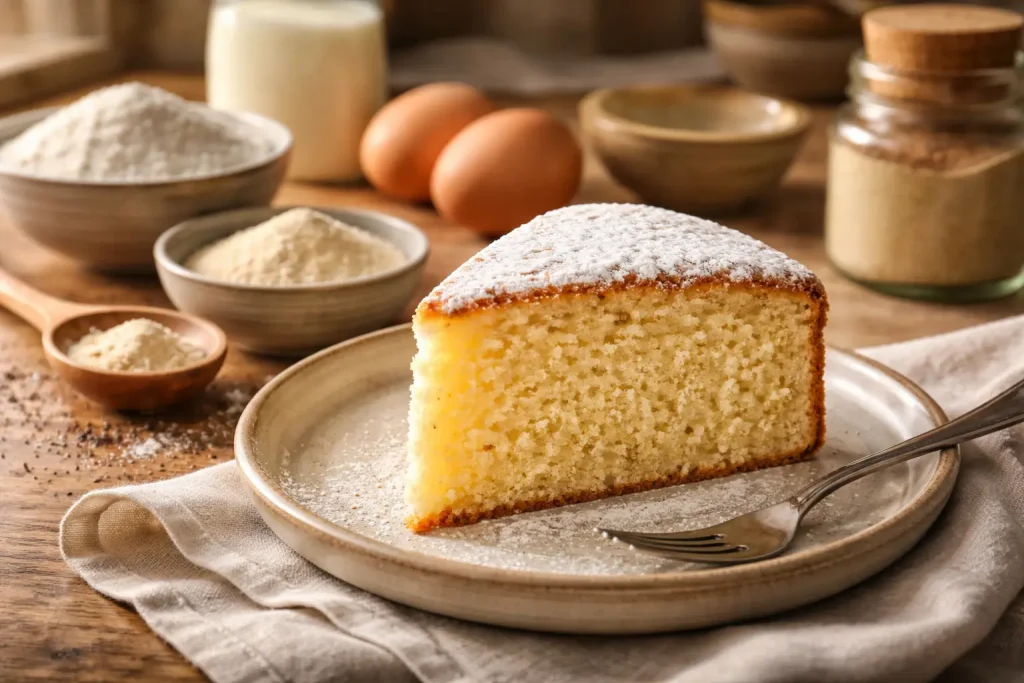
Vanilla Cake Recipe for a Soft Homemade Bake
A good vanilla cake recipe does not need to be flashy to feel special. In the herbal kitchen, vanilla is often treated with the same respect as a fine leaf or fragrant flower. It brings warmth, sweetness, and a rounded aroma that can make a simple cake feel comforting and elegant at once. This version is built for home bakers who want a soft crumb, steady structure, and a naturally fragrant finish using Organic Vanilla Powder and Organic Coconut Milk Powder rather than relying only on extract.
Vanilla powder gives a fuller, speckled flavor that feels closer to the pod itself. Coconut milk powder adds richness without making the batter heavy, and it helps create a tender texture that stays pleasant even a day after baking. The result is a cake that works beautifully on its own, with tea, or as a base for light glazes and fruit toppings. For herbal-minded bakers and tea makers, this recipe also leaves room for botanical accents that feel thoughtful rather than perfumed. A little organic chamomile flowers in a tea pairing or organic calendula petals as a garnish can make the whole table feel intentional and seasonal.
Why This Vanilla Cake Recipe Works So Well
This vanilla cake recipe is designed around balance. Many vanilla cakes lean too far in one direction. Some are fluffy but dry. Some are rich but dense. Some smell beautiful when warm, then lose their character once cooled. Here, the aim is softness with definition. You want a slice that holds together cleanly, tastes moist without being greasy, and carries vanilla all the way from first aroma to last bite.
Organic Vanilla Powder gives a deeper finish than a purely liquid flavoring because the pod solids remain in the batter. Organic Coconut Milk Powder supports body and tenderness at the same time. The fat content is helpful, but the real advantage is the soft dairy-free creaminess it lends to the crumb. The cake also benefits from a moderate baking temperature, which protects aroma and keeps the edges from setting too quickly.
For a warm spice variation, try a little organic cinnamon chips in the dry blend or in a light syrup brushed over the layers after baking.
Ingredient List and Exact Ratios
 This is a practical vanilla cake recipe for one 8-inch round cake or a small loaf pan. The measurements below are given in grams and teaspoons for accuracy and ease.
Dry ingredients
190 g all-purpose flour
12 g Organic Coconut Milk Powder (about 2 teaspoons)
6 g baking powder (about 1 1/2 teaspoons)
2 g fine sea salt (about 1/3 teaspoon)
Wet ingredients
170 g sugar
115 g unsalted butter, softened
3 large eggs
8 g Organic Vanilla Powder (about 3 teaspoons)
180 ml milk or plant milk
30 g plain yogurt or coconut yogurt (about 2 tablespoons)
Optional finishing ingredients
20 g butter for greasing the pan
10 g flour for dusting the pan
Powdered sugar for finishing
This ratio gives a batter that is thick but spoonable. It should fall from the spatula slowly, not pour like cream. If your flour is very dry or your kitchen air is low in humidity, one extra tablespoon of milk may help. If you enjoy a gently floral finish, serve the cake with a pale tea made from organic lavender flowers used very lightly so the vanilla remains the lead note.
Step-by-Step Method for a Tender Crumb
Set your oven to 170°C (340°F). Grease and line your pan. A lined pan matters here because this batter is delicate and fragrant. You do not want to lose the clean surface of the cake when unmolding.
In one bowl, whisk together the flour, Organic Coconut Milk Powder, baking powder, and salt. In another bowl, cream the softened butter and sugar for 3 to 4 minutes until light and slightly fluffy. This step builds structure. Do not rush it. Add the eggs one at a time, beating well after each addition. Then add the Organic Vanilla Powder.
Now alternate the dry ingredients and milk in three additions, beginning and ending with the dry mixture. Fold in the yogurt at the end. Mix only until smooth. Overmixing develops the flour too much and can make the cake tight.
Transfer the batter to the pan and smooth the top. Bake for 32 to 38 minutes, depending on the pan shape and your oven behavior. The surface should be lightly golden, and the center should spring back when touched. A skewer should come out with a few moist crumbs, not wet batter.
Let the cake rest in the pan for 12 minutes before turning it onto a rack. Cooling too fast can pull moisture away from the center. For a tea table finish, a sprinkle of organic vanilla powder over warm powdered sugar creates a lovely scent without a heavy frosting.
Flavor Building with Vanilla and Coconut Milk Powder
A thoughtful vanilla cake recipe depends on more than sweetness. Vanilla has woody, creamy, almost resinous notes when used well. Coconut milk powder does not make the cake taste strongly of coconut at this low level. Instead, it rounds the edges of the flavor and helps the vanilla feel fuller.
This is especially useful if you want a cake that pairs well with tea. Strong butter cakes can overpower lighter infusions, but this one stays soft enough to sit alongside white tea, chamomile, or a mild botanical blend. For a more layered serving idea, you can make a quick steeped milk before baking by warming the milk with a small pinch of [organic ginger root c/s], then straining it fully before mixing. That gives a quiet warmth beneath the vanilla without turning the cake into a spice cake.
You can also serve thin slices with a coconut-vanilla glaze made from powdered sugar, a spoonful of milk, and a pinch of Organic Coconut Milk Powder. Keep it loose and translucent rather than thick.
Herbal Pairings for Bakers and Tea Makers
One reason this vanilla cake recipe is so useful is that it welcomes quiet herbal accents. The best pairings are gentle and aromatic, not loud. Vanilla already occupies a sweet, rounded space, so the supporting herbs should either brighten or soften that profile.
Chamomile is one of the easiest companions. Its apple-like softness works beautifully in the cup beside the cake. A line such as this fits naturally into a baking guide because tea service matters just as much as the crumb: try brewing organic chamomile flowers for a mellow companion cup that lifts the vanilla without competing.
Calendula petals add color more than strong taste, which makes them useful for garnish on whipped topping or on a serving platter. Try scattering organic calendula petals over a simple glaze for a soft golden finish.
Lavender works best with restraint. Use only a little in tea or syrup. Try a light infusion with organic lavender flowers when you want a more perfumed afternoon tea mood.
For a greener, sweeter herbal note, organic lemon verbena leaves can be brewed and served chilled beside the cake. They bring freshness without the sharper edge of citrus peel.
Serving Ideas and Simple Variations
This vanilla cake recipe can be served plain, layered, glazed, or gently dressed with fruit. For everyday use, the simplest version is often the best: a clean slice with a dusting of sugar and hot tea. For guests, it also adapts well.
You can split the cake into two thin layers and fill it with softly whipped cream. You can top it with poached pears, roasted peaches, or a spoonful of berry compote. Keep the toppings restrained so the vanilla remains at the center.
For a bakery-style finish, brush the warm cake with a very light syrup made from 20 g sugar, 20 g water, and a small pinch of Organic Vanilla Powder. This helps preserve moisture and gives the top a faint sheen. For deeper warmth, try a touch of organic cinnamon chips in that syrup.
If you want a breakfast-style version, bake the batter in muffin tins and reduce the baking time to about 18 to 22 minutes. The same batter also works well in a tea loaf pan for neat slicing.
Troubleshooting
Even a reliable vanilla cake recipe can shift slightly depending on mixing, oven heat, and ingredient freshness.
Flat flavor
Increase the Organic Vanilla Powder slightly next time, but only by about 1 teaspoon. Also check your salt. A small amount of salt helps vanilla taste fuller rather than muted.
Too tart
This usually comes from yogurt with a sharper acidity or from pairing the cake with a very sour fruit topping. Reduce the yogurt slightly or choose a milder topping.
Over-carbonation
This does not come from the cake itself, but it can affect the overall serving if you pair the cake with sparkling vanilla drinks or kombucha. Choose a calmer pour so the vanilla aroma in the cake is not overwhelmed.
Sediment
Vanilla powder can leave tiny specks in glaze or syrup. That is normal and often desirable, but if you want a cleaner finish, whisk thoroughly and let the glaze rest for 2 minutes before pouring.
Aroma loss
Most aroma loss comes from overbaking or poor storage. Pull the cake as soon as the center is set, and cool it away from drafts. Strong refrigerator odors can also dull delicate vanilla.
Storage + Quality
Store the cake airtight once fully cool. This matters because vanilla is highly aromatic but also vulnerable. If left uncovered, the crumb dries first and the scent fades soon after. A cake dome or well-sealed container is best. If your kitchen is humid, let the cake cool completely before covering to prevent condensation.
At room temperature, the cake holds well for 2 days. Refrigeration extends it to about 4 days, though the crumb will firm slightly. Bring slices back to room temperature before serving for the best flavor release.
Quality cues are simple. The color should remain pale golden, not gray. The scent should stay warm, creamy, and rounded. Any stale smell, excessive dampness, or sharp fridge odor means the cake has passed its best point. Keep your baking ingredients fresh as well. [Organic coconut milk powder] should smell sweet and clean, never oily or dull.
Safety
This vanilla cake recipe is a culinary preparation, not a wellness formula. Herbs and botanicals mentioned here are included for flavor, aroma, garnish, and tea service. Keep proportions moderate and food-safe. Herbalists often value plants for their traditional character in the kitchen, but this is not medical advice and it is not meant to diagnose, treat, or prevent any condition.
When using flowers or leaves for garnish or tea, always use ingredients intended for culinary use and stored properly. If serving guests, mention any botanical additions clearly in case of sensitivities. With vanilla especially, more is not always better. A measured hand gives the most elegant result.
Conclusion
A good vanilla cake recipe is one of the most useful bakes in a home kitchen because it can stay simple or become beautifully refined with only a few careful choices. Organic Vanilla Powder brings depth, Organic Coconut Milk Powder helps create tenderness, and a few quiet herbal companions can make the experience feel richer without losing the comfort of a classic cake. Whether you serve it plain with tea or dress it lightly for guests, this is the kind of bake that rewards attention to aroma, texture, and timing.
FAQ
What makes this vanilla cake recipe especially soft?
The combination of butter, eggs, yogurt, and Organic Coconut Milk Powder helps create a tender crumb without making the cake heavy.
Can I use vanilla extract instead of vanilla powder?
Yes, but the flavor will be slightly different. Vanilla powder gives a deeper, more pod-like aroma and visible speckling.
Does coconut milk powder make the cake taste like coconut?
Not strongly. In this recipe it mostly adds softness and gentle richness.
Can I make this vanilla cake recipe dairy-free?
Yes. Use plant milk, coconut yogurt, and a good plant-based butter substitute.
Why does my cake feel dry the next day?
Usually it was baked a little too long or stored uncovered. Keep it airtight once fully cool.
Can I turn this into cupcakes?
Yes. Bake in lined muffin tins for about 18 to 22 minutes, checking early.
What tea goes best with this cake?
Chamomile, lavender used lightly, or lemon verbena all pair well with vanilla.
Can I add herbs directly to the batter?
Yes, but use a very light hand. Fine vanilla-forward cakes do best with subtle additions rather than dominant botanicals.


