USDA Organic Vanilla Beans: Wholesale Pricing & Sourcing
Few ingredients carry the mystique and market value of vanilla. For bakeries, extract producers, and specialty food brands, sourcing organic vanilla beans wholesale is both a strategic investment and a flavor decision that shapes every product on the shelf. Vanilla remains one of the most labor-intensive crops on earth, hand-pollinated and cured over months before it ever reaches a warehouse. That complexity drives pricing, but it also creates opportunity for buyers who understand grades, origins, and the paperwork behind genuine USDA certification. Whether you need plump gourmet pods for pastry work, lean extract-grade beans for tinctures, or fine vanilla powder for dry mixes, choosing the right supplier determines your cost per unit, your flavor consistency, and ultimately your customer satisfaction. This guide walks through the essentials of wholesale vanilla procurement, from grade distinctions and pricing factors to storage protocols and complementary botanicals that pair beautifully with vanilla in finished formulations.
Why Organic Vanilla Beans Wholesale Demand Keeps Growing
The clean-label movement has pushed vanilla demand to record levels. Consumers now scrutinize ingredient lists, and “natural vanilla” outperforms synthetic vanillin in brand perception studies year after year. Organic certification adds another layer of trust. Buyers who purchase organic vanilla beans wholesale position their products at the premium tier, where margins are healthier and customer loyalty runs deeper. Foodservice operators, artisan ice cream makers, and craft distillers have all accelerated their shift toward certified organic vanilla, creating steady demand that shows no sign of slowing.
Understanding Vanilla Bean Grades
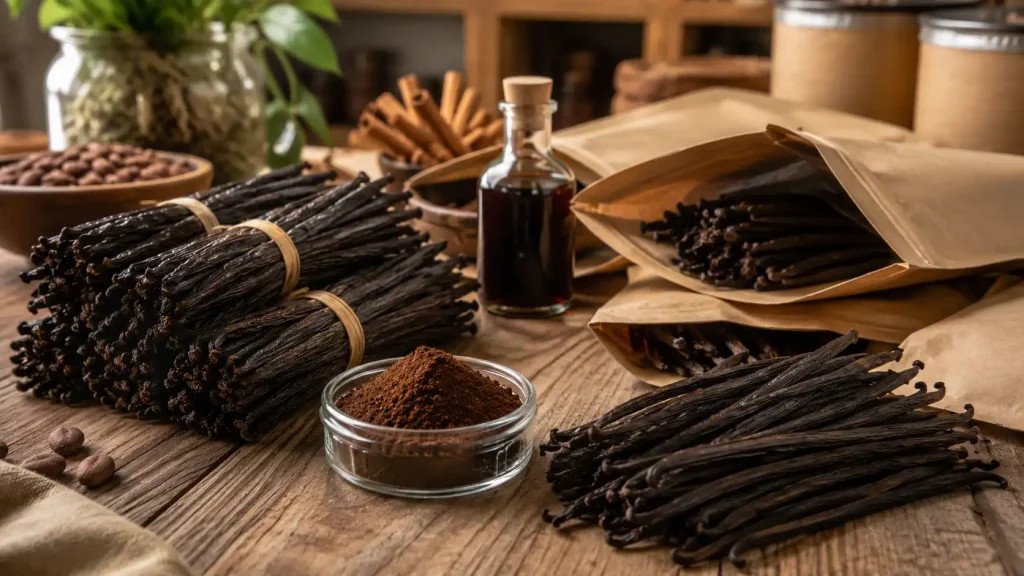
Vanilla beans are typically sorted into two primary commercial grades, each suited to different applications. Gourmet beans (sometimes labeled Grade A) are visually striking, with a high moisture content between 25 and 35 percent. They feel oily and pliable, release an intensely floral aroma when you split them open, and their caviar (the tiny seeds inside) scrapes out easily. These are the pods pastry chefs showcase in creme brulee, panna cotta, and buttercream. Hatton Naturals offers premium Gourmet Vanilla Beans that meet these exact specifications.
Extract-grade beans (Grade B) have lower moisture, typically 15 to 25 percent. They look drier and sometimes display surface wrinkling, but their vanillin concentration per gram of dry weight is actually higher. That makes them ideal for extract manufacturing, where you want maximum flavor extraction per dollar spent. The Organic Vanilla Beans Extract Grade B from Hatton Naturals are sourced specifically for this purpose, offering excellent extraction yield at a more accessible price point.
What Buyers Should Know About Vanilla Pricing
Vanilla pricing fluctuates more than almost any other spice on the global market. Cyclones in Madagascar, speculative buying, and multi-year crop cycles all contribute to price swings that can move 30 percent or more within a single season. When evaluating organic vanilla beans wholesale quotes, consider these factors carefully. First, origin matters: Madagascar Bourbon vanilla commands the highest prices due to its established flavor profile, while beans from Uganda, Papua New Guinea, and Indonesia offer distinctive notes at different price points. Second, certification costs are real. USDA Organic and EU Organic audits add overhead that legitimate suppliers pass through transparently. Third, volume commitments often unlock tiered pricing, so forecasting your annual usage and placing larger orders can reduce per-bean cost significantly.
Request a certificate of analysis (COA) with every lot. Vanillin content, moisture percentage, and microbial counts should all be documented. Reputable suppliers like Hatton Naturals maintain a searchable COA database so buyers can verify quality before committing to a purchase order.
Sourcing and Quality Indicators
Identifying high-quality vanilla beans before you buy a full case requires attention to sensory details and documentation. On the sensory side, look for beans that are uniformly dark brown to black, flexible enough to wrap around your finger without cracking, and aromatic even through the packaging. Avoid beans with mold spots, an ammonia-like smell, or a brittle texture. On the documentation side, confirm that the supplier holds a valid USDA Organic certificate with a current expiration date, and that lot traceability connects each shipment back to a specific curing facility and harvest season.
Packaging also signals quality. Vacuum-sealed pouches or nitrogen-flushed kraft bags protect beans from moisture loss and oxidation during transit. Once opened, store beans in airtight glass or food-grade containers at room temperature, away from direct light. Properly stored organic vanilla beans wholesale lots can maintain peak quality for 12 to 18 months.
Vanilla Powder: A Versatile Alternative
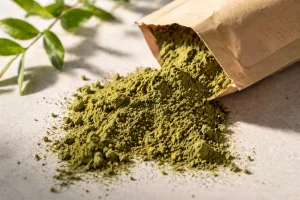
Not every application calls for whole pods. Organic Vanilla Bean Powder offers the full spectrum of vanilla flavor in a format that blends instantly into dry mixes, smoothie powders, protein bars, and baking premixes. Because the powder is made from ground whole beans (including the seeds and pod), it delivers both vanillin and the hundreds of secondary aromatic compounds that give real vanilla its complexity. For product developers working on clean-label formulations, vanilla powder eliminates the need for alcohol-based extracts while keeping “vanilla bean” on the ingredient list.
Complementary Products for Vanilla-Forward Formulations
Vanilla rarely works alone. Smart formulators pair it with ingredients that amplify its warmth and complexity. Ceylon Cinnamon Powder adds a gentle spice note without overpowering vanilla’s delicate floral character, making it ideal for chai blends and seasonal baked goods. Organic Cacao Powder creates the classic chocolate-vanilla combination that anchors countless dessert recipes and beverage formulations.
For tea and wellness brands, Organic Rooibos Red blends beautifully with vanilla in caffeine-free tisanes, while Organic Turmeric Powder pairs with vanilla in golden milk formulations that continue to gain popularity. Even Whole Green Cardamom works wonderfully alongside vanilla in Scandinavian-style baking blends and Middle Eastern dessert preparations. Sourcing all of these botanicals from a single organic vanilla beans wholesale supplier simplifies logistics and reduces shipping costs considerably.
Bulk Ordering and Packaging Considerations
When placing wholesale vanilla orders, packaging format impacts both cost and shelf life. Whole beans typically ship in vacuum-sealed pouches of 100 g, 250 g, 500 g, or 1 kg, with larger lots packed in food-grade tins or bulk bags. Vanilla powder ships in resealable kraft pouches or HDPE containers. For businesses that repackage for retail, requesting bulk packaging (1 kg or larger) without retail labeling reduces per-unit cost and gives you flexibility in your own branding.
Minimum order quantities vary by supplier. Some require full-kilogram commitments for vanilla beans, while others offer smaller trial lots so new buyers can evaluate quality before scaling up. Hatton Naturals supports both approaches, making it straightforward to sample before committing to production volumes. Visit the Bulk Organic Herbs page to explore available formats and request custom quotes.
Storage, Shelf Life, and Handling Best Practices
Vanilla is a living ingredient in the sense that its flavor compounds continue to evolve after curing. Proper storage preserves and even enhances those compounds over time. Keep whole beans between 59 and 77 degrees Fahrenheit in a dark, dry environment. Never refrigerate vanilla beans, as cold temperatures cause the natural vanillin to crystallize on the surface (sometimes mistaken for mold) and the low humidity desiccates the pods. If you do notice white crystals on your beans, that is actually a sign of high vanillin content, not spoilage. Those crystals, called givre, dissolve back into the bean when warmed gently.
Vanilla powder should be stored in the same temperature range but sealed more tightly, as its increased surface area makes it more susceptible to moisture absorption and aroma loss. Use powder within eight to 12 months of opening for optimal flavor. Rotate stock on a first-in, first-out basis, especially during warmer months when ambient temperature in storage facilities may fluctuate.
Safety and Regulatory Notes
Organic vanilla beans are generally recognized as safe (GRAS) for food use. However, buyers should be aware of several regulatory considerations. Ensure your supplier provides documentation confirming compliance with FDA food safety standards, including current Good Manufacturing Practice (cGMP) protocols. For organic vanilla beans wholesale destined for products labeled “USDA Organic,” verify that every handler in the supply chain holds valid organic certification. A single uncertified link breaks the chain and can result in costly relabeling or recalls.
Allergen cross-contamination is another consideration. Confirm that vanilla processing facilities do not handle tree nuts, dairy, or other major allergens on shared equipment, unless your finished product already accounts for those allergens. Microbial testing (total plate count, yeast and mold, coliforms, and Salmonella screening) should be standard on every lot COA.
Frequently Asked Questions
What is the difference between Grade A and Grade B vanilla beans?
Grade A (gourmet) beans have higher moisture, a plump appearance, and are best for culinary uses where the pod is visible. Grade B (extract grade) beans are drier with concentrated vanillin, making them more cost-effective for producing extracts, tinctures, and infusions.
How many vanilla beans are in a kilogram?
It depends on the grade and origin. Gourmet Madagascar beans typically count between 200 and 300 pods per kilogram. Extract-grade beans, being lighter, may count 350 to 500 per kilogram. Always confirm the approximate count with your supplier before ordering.
Can I use vanilla powder as a one-to-one substitute for extract?
Not exactly. Vanilla powder is more concentrated than liquid extract. A general guideline is to use half a teaspoon of powder in place of one teaspoon of extract, then adjust to taste. Powder works best in dry applications where adding liquid is undesirable.
How should I store vanilla beans after opening the package?
Wrap beans in wax paper, place them in an airtight glass jar, and store at room temperature away from sunlight. Avoid plastic wrap, which can trap moisture unevenly. Never refrigerate or freeze vanilla beans.
What makes USDA Organic vanilla more expensive than conventional?
Organic certification requires farmers to avoid synthetic pesticides and fertilizers, maintain detailed field records, and undergo annual audits. These requirements increase labor costs. Additionally, organic vanilla yields tend to be lower, and the certification fees themselves are passed through the supply chain, all of which contribute to the premium pricing of organic vanilla beans wholesale lots.
How do I verify that vanilla beans are genuinely organic?
Request the supplier’s USDA Organic certificate (issued by an accredited certifying agent) and cross-reference the certificate number on the USDA Organic Integrity Database. Every compliant lot should also carry a transaction certificate linking the specific shipment to the supplier’s organic status.
What is the typical lead time for wholesale vanilla orders?
Domestic shipments from a U.S. warehouse typically arrive within three to seven business days. International shipments or custom orders may require two to four weeks. Planning ahead during peak demand seasons (October through December) is strongly recommended.
Are there synthetic vanilla products that mimic organic beans?
Synthetic vanillin, derived from lignin or guaiacol, is widely available and far cheaper. However, it contains only one compound, whereas real vanilla beans deliver over 250 aromatic compounds. For clean-label products and organic certification, synthetic vanillin is not a permissible substitute.
Sourcing organic vanilla beans wholesale is a decision that touches every part of your product, from flavor depth and label claims to cost structure and customer trust. By understanding grades, verifying certifications, storing beans properly, and pairing vanilla with complementary botanicals, you position your brand for consistency and quality that customers notice in every bite, sip, and scent. Explore the full selection at Hatton Naturals and start building your next formulation on a foundation of genuine organic vanilla.