Senna Tea: How to Prepare It and Use It Safely
Senna tea is a traditional herbal preparation made from the dried leaves of the senna plant. Unlike most herbal teas, it is not something you sip for flavor. People use it for one specific purpose, and it works quite strongly. This guide explains what senna is, how to prepare it carefully and why moderation matters.
In addition, you will find dosing ratios, steeping methods, blending tips and storage advice. We also cover the most common mistakes people make. As a result, you can approach this herb with knowledge and respect rather than guesswork.
What Is Senna Tea?
Senna comes from plants in the Senna genus, mainly Senna alexandrina. The shrub grows in North Africa, the Middle East and India. Its leaves and pods have been used for centuries in Arabic, Ayurvedic and European herbal traditions.
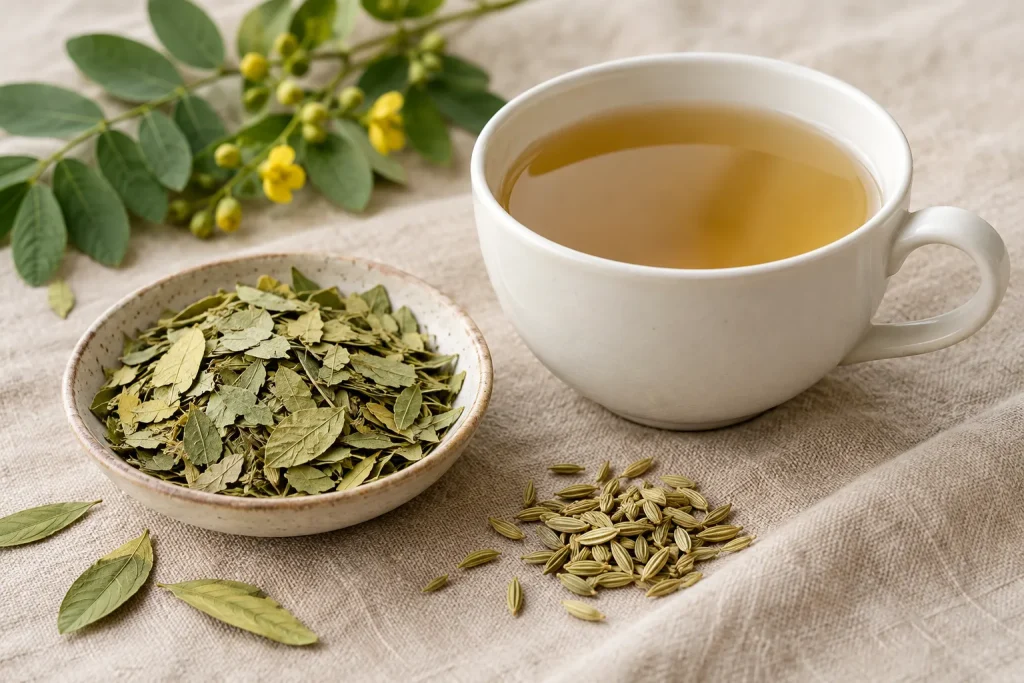
Senna contains natural compounds called sennosides. These compounds stimulate the bowel. For this reason, senna is widely known as a stimulant laxative, and it is a common ingredient in over the counter products for occasional constipation. Our organic senna leaves, cut and sifted are sold as a dried botanical for tea and blending.
A Short History of Senna
Arab physicians recorded senna as early as the ninth century. Traders then carried the leaves along caravan routes to Europe. In fact, the name “Alexandrian senna” comes from the Egyptian port that shipped it. Meanwhile, another type grew in southern India and was sold as “Tinnevelly senna.”
European apothecaries stocked senna for hundreds of years. Families often kept a small packet in the kitchen cupboard. Later, pharmacists turned the leaves into syrups and tablets. Today, the same plant still appears on store shelves, so it is one of the longest serving herbs in the Western world.
Why People Use Senna
Traditionally, people drink senna tea for short term relief of occasional constipation. It usually acts within 6 to 12 hours. Because of that timing, many people drink it in the evening.
However, senna tea is not a weight loss tool or a daily detox drink. Despite what some marketing suggests, it does not burn fat. It simply moves the bowels, and overuse can cause real problems. For this reason, it belongs in the occasional use category, not in a daily wellness routine.
How Senna Compares With Gentler Herbs
Senna sits at the strong end of the herbal spectrum. Many other kitchen herbs have a much milder traditional reputation. For example, fennel, peppermint and ginger are enjoyed daily as flavorful teas. Senna, in contrast, is a short term botanical with a clear and powerful effect.
| Herb | Traditional role | Typical use | Flavor |
|---|---|---|---|
| Senna leaf | Occasional stimulant laxative | Short term only | Earthy, bitter |
| Fennel seed | After meal digestive tea | Daily cup | Sweet, anise-like |
| Peppermint leaf | Refreshing after dinner tea | Daily cup | Cool, minty |
| Ginger root | Warming kitchen tea | Daily cup | Spicy, warm |
So if you want a pleasant everyday digestive tea, the milder herbs are the better choice. Keep senna for the occasional night when you truly need it.
How to Prepare Senna Tea Step by Step
Start with a small amount. Senna is potent, and a mild cup is usually enough. A kitchen scale helps, because leaf sizes vary from batch to batch.
- Place 1/2 to 1 teaspoon of dried senna leaves in a cup. That equals roughly 0.5 to 1 gram.
- Pour 8 ounces of hot water, just off the boil, over the leaves.
- Steep for 5 to 10 minutes. A shorter steep makes a milder cup.
- Strain the leaves out completely.
- Drink one cup, then wait to see how your body responds.
Some people prefer a cold infusion. To make one, soak the leaves in room temperature water for several hours, then strain. Many herbalists find this method gentler. Also, the cold method pulls out fewer of the resins that cause a harsh taste.
Strength Guide by Leaf Amount
The table below shows how leaf amount and steep time change the cup. First time users should stay in the mildest row.
| Leaf amount | Method | Steep time | Strength |
|---|---|---|---|
| 1/2 teaspoon | Cold infusion | 4 to 8 hours | Mildest |
| 1/2 teaspoon | Hot water | 5 minutes | Mild |
| 1 teaspoon | Hot water | 7 to 8 minutes | Moderate |
| 1 teaspoon | Hot water | 10 minutes | Strong |
Never go beyond the strong row. More leaf does not mean better results. In fact, it usually means more cramping.
Hot Infusion vs Cold Infusion
Hot water extracts the sennosides quickly. As a result, a hot cup works in a predictable way and is easy to time. However, heat also pulls out more bitter resins. That is why some people notice more cramping with a hot, long steep.
A cold infusion takes longer but tastes smoother. Many traditional herbalists preferred it for that reason. To try it, place 1/2 teaspoon of leaves in a jar with 8 ounces of cool water. Then cover and leave it on the counter for 4 to 8 hours. Finally, strain well and drink it in the evening.
Making It Taste Better
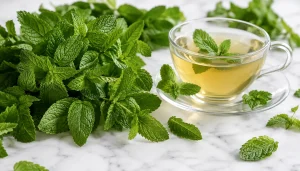
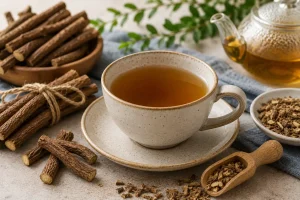
On its own, senna tastes earthy and somewhat bitter. Blending can help. For example, organic fennel seeds add a sweet, anise-like note. In addition, organic peppermint gives a cool finish. Traditional blends also add organic ginger root, which brings warmth and balance. For more ideas, see our guide to fennel tea.
Herbalists have paired senna with these aromatic herbs for centuries. The tradition held that warming spices made the cup gentler. Today, most people simply enjoy the better taste.
A Balanced Evening Blend
- 1/2 teaspoon senna leaves
- 1/2 teaspoon lightly crushed fennel seeds
- 1/2 teaspoon peppermint leaf
- 2 thin slices or 1/4 teaspoon cut ginger root
Steep everything in 8 ounces of hot water for 5 to 7 minutes. Then strain and add a little honey or lemon if you like. As a result, the cup tastes more like a mint and fennel tea than a bitter botanical.
Common Mistakes to Avoid
Most problems with senna come from using too much or using it too often. Here are the errors to avoid:
- Doubling the dose: Some people expect quick results and add extra leaves. Instead, start low and wait the full 12 hours.
- Drinking a second cup too soon: The tea takes time. So a second cup a few hours later often leads to cramping.
- Using it for weight loss: Any change on the scale is water, and it returns quickly.
- Skipping water: Senna pulls water into the bowel. Therefore, drink extra fluids during the day.
- Using it every day: Regular use for weeks can make the bowel rely on stimulation.
Safety Tips and Precautions
Senna is effective, so it deserves respect. Keep these points in mind:
- Use it only for short periods. Most guidance says no more than one week without medical advice.
- Drink plenty of water while using it.
- Expect possible cramping, especially with a strong cup.
- Stop using it if you have diarrhea, severe pain or nausea.
Long term use can upset electrolyte balance and make the bowel depend on stimulation. Do not give senna to children unless a doctor recommends it. Avoid it if you are pregnant or nursing, or if you have a bowel condition. Always talk with your healthcare provider before use, especially if you take heart medication, diuretics or blood thinners.
Also, senna tea can turn urine a darker yellow or reddish brown. This change is harmless and fades after you stop. Even so, mention it to your doctor if you feel unsure.
Who Should Skip Senna
Some people should avoid senna entirely unless a doctor approves it. This group includes anyone with abdominal pain of unknown cause, intestinal blockage or inflammatory bowel conditions. In addition, older adults and people with kidney or heart conditions need extra care, because fluid loss affects them more. Finally, never combine senna with other laxatives on your own.
How to Choose and Store Senna Leaves
Good senna leaves look pale green to yellow green. They should smell faintly grassy, not musty. In addition, avoid leaves with dark spots, dust or signs of moisture. Cut and sifted leaves are easiest to measure, because the pieces are uniform.
Organic certification matters with any herb you steep. It means the plant grew without synthetic pesticides. Beyond that, quality testing adds another layer of trust. Every lot we sell has its own Certificate of Analysis. You can search it by lot number on our COA lookup page and see the results for the exact batch in your bag.
Store senna in an airtight glass jar or a resealable pouch. Keep it in a cool, dark cupboard away from the stove. Under these conditions, the leaves keep good quality for one to two years. Finally, label the jar clearly. Senna looks like many mild herbs, so nobody should mistake it for a regular tea.
Frequently Asked Questions About Senna Tea
How long does senna tea take to work?
Senna usually works within 6 to 12 hours. That is why many people drink it before bed.
Can I drink senna tea every day?
No. Senna is meant for occasional, short term use. Daily use over long periods is not recommended without medical supervision.
Is senna tea good for weight loss?
No. Senna does not burn fat. Any change on the scale comes from water and bowel contents, and it returns quickly.
Are senna leaves and senna pods the same?
Both come from the same plant, and both contain sennosides. However, pods are often milder and more variable in strength. Most tea drinkers use the leaves, because they are easier to measure.
Can I mix senna with other teas?
Yes. Fennel, peppermint, ginger and chamomile are common partners. Just keep the senna portion small, and count it as your full dose.
Does senna tea expire?
Dried leaves slowly lose strength over time. For best results, use them within one to two years and discard any that smell musty.
Use This Herb Wisely
Senna has earned its place in herbal history for centuries, and it is a strong herb. So think of it as a tool, not a daily drink. Start small, steep briefly and give your body time. Then pair it with fennel, peppermint or ginger for a smoother cup.
Not sure which herb fits your routine? Take our quick digestive herb quiz. When you are ready, explore our organic senna leaves and our full range of organic tea herbs.