Schisandra Berry Dried: How to Brew Without Overdoing It
The best thing about schisandra berry dried is also the easiest way to overdo it. Those glossy red berries carry a whole spectrum of taste (sweet, tart, bitter, salty, and a little resinous) and they give it up fast when you push time, heat, or dosage too hard. Brewed with a steady hand, the cup is bright, cranberry-like, and complex, with a clean finish that feels “crafted” instead of “punishing.” Brewed carelessly, it can turn sharp, woody, and aggressive.
This guide is a practical, production-minded how-to for making schisandra behave in a home kettle or a small-batch tea kitchen. You’ll get a simple method for daily brewing, a stronger “infusion base” approach for blending, exact ratios in grams and teaspoons, and a reliable pairing with hibiscus for a vivid ruby cup that still stays balanced. Along the way, you’ll learn how to read the berries by aroma and color, how to manage sediment, and how to keep your finished brew fragrant instead of flat.
schisandra berry dried: flavor, strength, and extraction
Schisandra is one of those botanicals that rewards restraint. Think of it like a spice as much as a fruit: aromatic skins, firm interiors, and a “grip” that shows up if you simmer too long or grind too fine. With schisandra berry dried, extraction is mostly about surface area and heat management.
Three levers matter most. First is dosage. A small bump in berry weight can change the whole cup because the flavor is concentrated. Second is temperature. Near-boiling water extracts more tannic bite and a more resinous edge. Third is time. Long infusions can pull out an extra layer of bitterness that reads as “medicinal,” even when your ingredients are great.
A useful mental model for tea makers is to brew schisandra to a bright, fruity midpoint, then build depth with softer botanicals. For that, warm spice, gentle florals, and clean leaves are your friends. If you want a naturally vivid color and a tart backbone, the classic move is pairing with hibiscus flowers in a controlled ratio.
Choosing the right cut and prepping berries for a cleaner cup
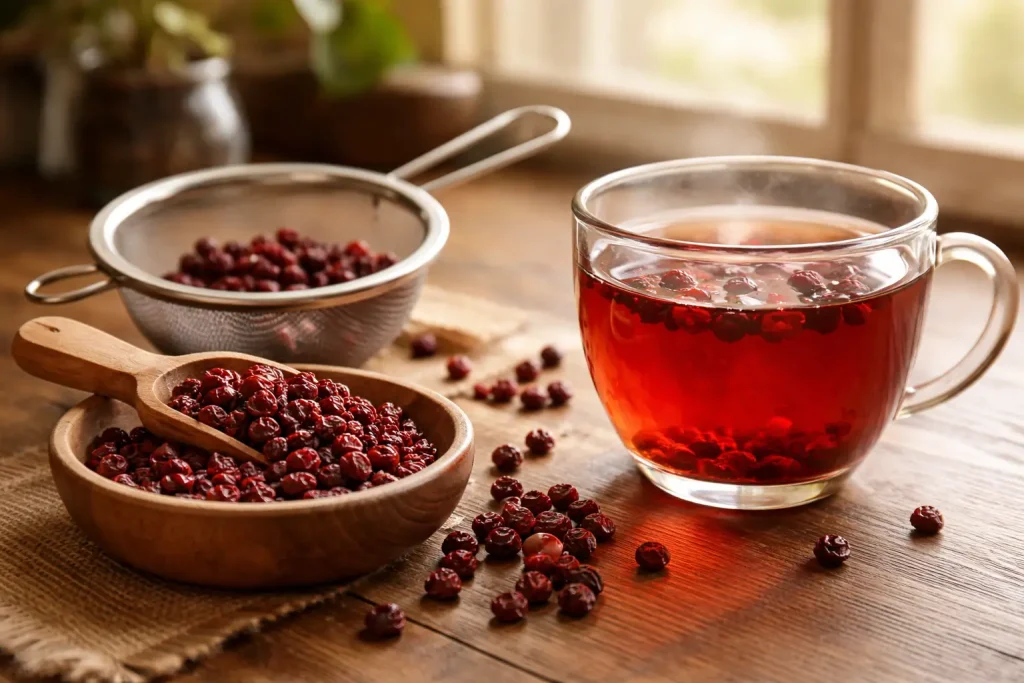
Most dried schisandra arrives as whole berries. Whole is ideal for control because it extracts slower and gives you a wider window before the brew becomes harsh. Crushed berries extract faster and can get intense quickly. Powder is the hardest to manage for clarity and can create heavy sediment.
For day-to-day brewing, lightly crack the berries instead of grinding. Use the back of a spoon or a mortar with one or two gentle presses. You’re aiming for a few split skins, not fragments. This increases aroma without dumping a storm of fine particles into your cup.
Rinse quickly only if needed. If your berries look dusty, a 2-second rinse in a fine strainer can reduce floating bits. Don’t soak, and don’t rinse if the berries are clean and fragrant. You’ll wash away some of the surface aroma that makes schisandra feel lively.
If you’re producing batches, standardize your “crack level.” Consistency matters more than perfection. A repeatable light-crack prep helps your steep times behave predictably, which is everything when you’re dialing in a blend.
Ratios that don’t punish you (grams and teaspoons)
Below are practical ratios that keep schisandra bright, not overbearing. Use a scale when you can. If you’re measuring by spoon, remember that dried whole berries vary in size, so teaspoons are approximate.
Everyday mug (12 oz / 355 ml)
1.0 to 1.5 g schisandra berry dried (about 1 to 1.5 teaspoons whole berries)
Water: 90 to 95°C (194 to 203°F)
Steep: 8 to 10 minutes
Result: tart-fruity, lightly complex, minimal bite
Stronger infusion (for blending or iced tea concentrate)
3.0 g schisandra berry dried per 12 oz / 355 ml (about 1 tablespoon whole berries)
Water: 85 to 90°C (185 to 194°F)
Steep: 10 to 12 minutes, then strain
Result: bold base, still smoother than a boil
Pitcher batch (1 liter)
4 to 6 g schisandra berry dried (about 4 to 6 teaspoons)
Water: 90°C (194°F)
Steep: 10 minutes
Result: shareable, clean, easy to sweeten lightly
If you taste “wood” or harshness, don’t assume you need sugar. First, reduce steep time by 2 minutes or drop temperature by 5°C. Schisandra responds dramatically to small process tweaks.
For a warmer frame around the berry’s tartness, try ginger root as a supporting note (thin slices or small chips steeped alongside, not boiled into oblivion).
Step-by-step brew method (tea-kitchen friendly)
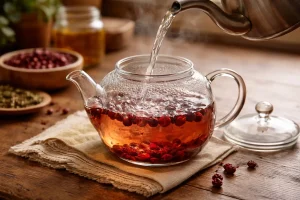
Warm your vessel. A quick rinse with hot water keeps the infusion stable and protects aroma.
Measure berries. Start low. You can always steep a second round.
Lightly crack (optional). One or two presses is enough.
Add water at the right temperature. If your kettle boils, let it sit 60 to 90 seconds before pouring.
Cover while steeping. A lid (or small plate) traps volatile aromatics.
Strain decisively. Use a fine strainer to reduce sediment, then don’t keep the berries swimming in the cup.
Taste, then adjust next time. If it’s too intense, change time or temperature before you change the ingredient list.
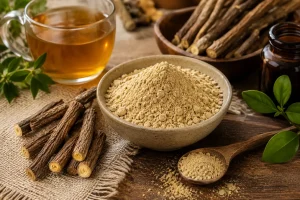
When you want a fuller, rounder finish without sweetness, licorice is a classic tea-maker’s tool. A tiny amount of licorice root can soften perceived tartness and give body. Keep it light so it doesn’t dominate.
Schisandra Berry Dried + Hibiscus: a bright blend that stays balanced
This pairing is popular for a reason: hibiscus gives clean, juicy tartness and a vivid ruby color, while schisandra adds complexity and a slightly “wild berry” edge. The trap is stacking too much tartness and ending up with a cup that feels sharp.
Start with a 2:1 ratio by weight:
2 parts hibiscus to 1 part schisandra berry dried
Example for a 12 oz / 355 ml mug:
2.0 g hibiscus flowers
1.0 g schisandra berry dried
Water: 90°C (194°F)
Steep: 7 to 9 minutes
Why slightly shorter than a solo schisandra brew? Hibiscus extracts quickly and can turn aggressively sour if held too long. If you want more aroma without extra acidity, add a small amount of a fragrant leaf or flower rather than increasing hibiscus.
Two gentle balancing options that fit well in this blend:
Try adding lemongrass for a clean citrus lift that reads as “fresh” instead of “sour.”
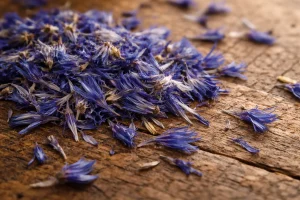
Try adding chamomile flowers to soften the edges and make the cup feel rounder.
For production: steep the blend, strain, then sweeten only after tasting chilled. Cold reveals acidity differently than hot. You can keep it dry and still get a “juicy” impression by leaning on aroma rather than sugar.
Building complexity without harshness (supporting botanicals)
Schisandra’s personality is strong, so pair it with ingredients that bring structure, aroma, or softness, not more aggression. Think in layers:
Aroma layer (top notes): lemongrass, peppermint, gentle florals
Body layer (mid-palate): chamomile, light spice
Finish layer (aftertaste): a hint of licorice, warming roots used sparingly
Practical pairings that tea makers use when they want the berry to stay the star:
Try adding:
- Peppermint leaf for a cooling lift that makes tart flavors feel cleaner.
- Cinnamon chips in a tiny amount for warmth and bakery-like depth (too much will take over).
- Ginger root when you want a sharper, brighter profile without increasing acidity.
Keep your total “supporting ingredients” modest. With schisandra berry dried, the best blends often feel simple but intentional. A three-part blend can taste more premium than a crowded ingredient list, because each note stays readable.
Troubleshooting (flat flavor, too tart, over-carbonation, sediment, aroma loss)
Flat flavor: Usually water temp is too low, steep is too short, or the berries are old and muted. Increase steep by 2 minutes first. If still flat, raise temperature slightly. If aroma is absent even at proper parameters, check storage and quality.
Too tart: Most often it’s too much hibiscus or too long a steep in a blend. Shorten time before reducing schisandra. If you’re brewing schisandra alone and it reads “sharp,” it may actually be bitterness amplifying the tart perception. Drop temperature and shorten steep.
Over-carbonation (if used in kombucha 2F): Don’t load too much fermentable sweetener plus acidic botanicals. Use a cooled, strained infusion (not berries left in the bottle). Start with smaller sugar additions and burp bottles during early tests. Strong hibiscus can accelerate perceived “bite,” making carbonation feel more aggressive.
Sediment: Comes from cracked berries, fine particles, or vigorous pouring. Use a finer strainer, avoid grinding, and pour slowly. If you’re batching, let the infusion settle 5 minutes and decant off the top.
Aroma loss: Usually caused by boiling, uncovered steeping, or long holding times. Keep steeping covered, avoid hard boils, and serve fresh. If you’re chilling for iced tea, cool quickly and store airtight.
If your cup feels “too intense” rather than simply tart, reduce berry dosage. With schisandra berry dried, dosage is the fastest path to balance, and it preserves your timing and workflow.
Storage + Quality: keeping berries vivid and brew-ready
Schisandra is aromatic. Treat it like you would a fine spice. Airtight storage is non-negotiable. Humidity is the enemy. Light and heat are slow thieves of fragrance.
Airtight: Use a tight-seal container. If you’re working in a tea kitchen, keep a small daily-use jar and refill it from a larger sealed bag to reduce repeated exposure.
Humidity: Store in a cool, dry cabinet. If your climate is humid, consider food-safe desiccant packs stored outside direct contact with the botanicals (in the container but separated).
Color and scent cues: High quality berries tend to be deep red to burgundy, not pale. Aroma should be fruity and slightly resinous, not dusty. If the scent is faint or cardboard-like, expect a flatter infusion and shorten your expectations, not just your steep time.
Sediment and breakage: Excessive crumbs can signal rough handling. It isn’t automatically “bad,” but it changes extraction speed. If your bag has a lot of fragments, reduce steep time and strain more carefully.
When you keep schisandra berry dried properly, you’ll notice it: the first pour smells alive, and the cup stays bright even at modest ratios.
Safety: practical, compliant guidance for responsible brewing
Schisandra is traditionally used by herbalists and is often enjoyed as a food-style botanical in teas. Still, this is a potent ingredient, and “more” isn’t automatically “better.” Keep servings moderate, especially if you’re new to it.
If you are pregnant or nursing, have a medical condition, or take medications, it’s smart to consult a qualified healthcare professional before using concentrated herbal preparations. Start with smaller amounts and pay attention to how your body responds. Avoid making strong, long-simmered decoctions as your default. The methods in this guide are designed for balanced beverages, not therapeutic dosing.
Most importantly, enjoy schisandra for what it is: a flavorful, complex ingredient that can be part of a thoughtful tea routine. Keep it food-forward, keep it measured, and keep it delicious.
Conclusion: a measured approach that keeps schisandra beautiful
Schisandra rewards the careful brewer. When you respect dosage, temperature, and time, schisandra berry dried becomes a bright, layered cup that tastes intentional and refined. Start with a modest ratio, keep your steep covered, strain cleanly, and adjust with small process changes instead of piling on sweeteners or extra tart ingredients.
If you want a vivid, crowd-pleasing blend, the Schisandra Berry Dried + Hibiscus pairing is a reliable path, especially when you keep hibiscus in check and add softness with a gentle supporting botanical. The goal is not maximum extraction. The goal is a cup you want to make again tomorrow.
FAQ
What does schisandra berry dried taste like?
It’s complex and fruity with tartness, subtle bitterness, and a lightly resinous edge, especially if steeped hot and long.
How much schisandra berry dried should I use per cup?
A practical starting point is 1.0 to 1.5 g per 12 oz (about 1 to 1.5 teaspoons whole berries), then adjust by taste.
Can I boil schisandra berries?
Boiling tends to pull harsher, woody notes and can flatten aroma. A covered steep at 85 to 95°C is usually smoother.
How do I blend schisandra with hibiscus without making it too sour?
Use a 2:1 ratio (hibiscus to schisandra by weight) and steep 7 to 9 minutes. Shortening time helps more than adding sugar.
Why is my tea cloudy or gritty?
Cracked berries and fine particles create sediment. Use whole berries when possible and strain with a finer mesh.
Can I reuse schisandra berries for a second infusion?
Yes. A second steep often tastes softer and less sharp. Use slightly hotter water or add 2 to 3 minutes.
How should I store schisandra berry dried for best quality?
Airtight, cool, dry, and away from light. If the aroma fades or turns dusty, the brew will taste flatter.
Is schisandra berry dried safe for everyone?
As a food-style tea ingredient it’s commonly used, but if you’re pregnant or nursing, have conditions, or take medications, check with a professional and keep servings moderate.