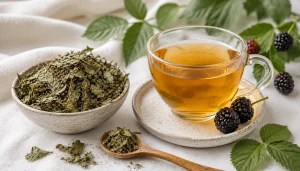
Sarsaparilla Tea: How to Brew Smilax Root at Home
Sarsaparilla tea is one of the most rewarding root brews you can make at home, and it rewards a little patience. Made from the dried root of Smilax plants, it has an earthy, gently sweet taste that many people link to old fashioned soda fountain drinks. However, a good cup is not a quick steep. Because the root is dense and woody, it needs a slow simmer to release its flavor. In this guide, you will learn what sarsaparilla actually is, how to brew it step by step, which herbs and spices blend well with it, and how to keep your dried root fresh for months.
What Is Sarsaparilla?
Sarsaparilla is the common name for several climbing vines in the genus Smilax. These plants grow in warm, humid regions of Central America, South America, the Caribbean and parts of Mexico. The vines are tough and often thorny, and they climb over shrubs and trees in tropical forests. The part used for tea is the long, slender root, which is dug up, cleaned, dried and then cut into small pieces.
The name itself comes from Spanish words that roughly describe a thorny vine. In addition, you may see the root sold under names such as Jamaican sarsaparilla, Honduran sarsaparilla or Mexican sarsaparilla. These names usually point to the region of origin or the specific Smilax species. For tea, the most practical form is a cut root, because the smaller pieces expose more surface area to the water. Our organic sarsaparilla root is cut to a size that works well in a saucepan, a tea ball or a large infuser.
It is also worth knowing that sarsaparilla is not the same as Indian sarsaparilla, which comes from a different plant called Hemidesmus. The two are often confused in shops, so always check the botanical name when you buy.
What Does Sarsaparilla Tea Taste Like?
The flavor is earthy first, then lightly sweet, with a soft bitterness at the finish. Some people also notice a faint vanilla or woody note. Brewed strong, the liquid turns a warm amber to light brown color.
Many people expect it to taste exactly like root beer. That is a natural assumption, because classic sarsaparilla sodas were popular in the 1800s and early 1900s. However, the bold, familiar root beer flavor most of us know actually came largely from sassafras root and birch bark, along with wintergreen, vanilla and molasses. Sarsaparilla itself is milder. So, if you want that soda fountain character, you will usually need to add other ingredients such as licorice, star anise or vanilla. We cover those blends below.
On its own, the root makes a calm, mellow drink. As a result, it is a good base for creative blends, because it does not overpower other flavors.
Traditional Uses in Folk Tradition
Sarsaparilla has a long history in the folk traditions of Central America, South America and the Caribbean. Indigenous communities and, later, local herbalists prepared the root as a decoction, often simmered for a long time in clay pots. In Jamaica and other Caribbean islands, it has traditionally been part of “roots tonics,” which are homemade brews of several roots and barks steeped together.
European traders brought the root to Europe in the 1500s, where it became a well known item in apothecary shops. Later, in North America, it was used as a flavoring in soft drinks and syrups. Herbalists have traditionally used sarsaparilla in spring tonic recipes, and it still appears in many traditional herbal blends today.
These uses are part of cultural history. We share them for context only, and they should not be read as claims about what the tea will do for you. Instead, think of sarsaparilla as a flavorful root with a rich story behind it.
How to Make Sarsaparilla Tea: The Decoction Method
Leaves and flowers release their flavor in a few minutes of steeping. Roots, on the other hand, need a decoction. That simply means simmering the root in water on the stove so the heat can break into the woody fibers. If you only pour hot water over sarsaparilla and wait five minutes, the result will be thin and watery.
Here is the basic ratio: use about 1 tablespoon of cut sarsaparilla root per 1.5 cups of cold water. The extra water accounts for evaporation during the simmer. For a stronger cup, increase to 1.5 tablespoons.
- First, measure 1 tablespoon of cut sarsaparilla root into a small saucepan.
- Then, add 1.5 cups of cold, filtered water. Starting cold lets the root hydrate as the water heats.
- Bring the water to a boil over medium heat.
- Next, lower the heat until you see only small, gentle bubbles. Cover the pan partly with a lid.
- Simmer for 15 to 20 minutes. A shorter simmer gives a lighter cup, while 20 minutes gives a deeper, earthier flavor.
- Turn off the heat and let the pot rest for 5 more minutes.
- Finally, strain through a fine mesh strainer into your mug. Add honey, maple syrup or a splash of milk if you like.
You can also make a larger batch. For example, use 4 tablespoons of root in 6 cups of water, simmer for 20 minutes, and store the strained tea in the refrigerator for up to 3 days. Reheat gently or drink it cold.
Sarsaparilla Tea Blends to Try
Because the flavor is mellow, sarsaparilla works very well with other roots and warming spices. Also, the decoction method suits most of these partners, since they are woody too. Here are some proven combinations.
- Sarsaparilla and licorice: Add 1 teaspoon of cut and sifted licorice root per cup. Licorice brings a natural sweetness and makes the blend taste closer to old fashioned soda.
- Sarsaparilla and ginger: Add 1 teaspoon of cut and sifted ginger for a warm, peppery edge. This is a great cold weather blend.
- Sarsaparilla and star anise: One whole star anise pod per pot adds a sweet, licorice like aroma.
- Sarsaparilla and cinnamon: A small piece of cinnamon stick gives a cozy, bakery style note.
- Sarsaparilla and vanilla: Add a split piece of vanilla bean in the last 5 minutes, or a drop of vanilla extract after straining.
- Roots blend: Combine sarsaparilla with organic burdock root and ginger, inspired by Caribbean roots tonics. Burdock adds a deeper earthy, slightly sweet character.
For a homemade “root beer style” tea, try this ratio for two cups: 1 tablespoon sarsaparilla, 1 teaspoon licorice, half a teaspoon of ginger, 1 star anise pod and a small piece of cinnamon. Simmer all of them together for 20 minutes, then add vanilla after straining. The result is not soda, of course; however, it has a clear family resemblance.
If licorice is new to you, our quiz can help you pick a form that suits your blends: Which licorice product should you try?
Iced Sarsaparilla Tea
Sarsaparilla makes an excellent iced drink, especially when blended with licorice and vanilla. The key is to brew it stronger, because ice will dilute it.
- Simmer 3 tablespoons of sarsaparilla root and 1 teaspoon of licorice in 4 cups of water for 20 minutes.
- Strain the tea and stir in honey or maple syrup while it is still warm, so it dissolves fully.
- Let it cool to room temperature, then chill in the refrigerator for at least 2 hours.
- Serve over ice with a splash of vanilla, or top with sparkling water for a fizzy, soda style drink.
Also, try adding a few strips of orange peel while the tea cools. The citrus brightens the earthy flavor in a very pleasant way.
Common Mistakes When Brewing Sarsaparilla
Most disappointing cups come from a few simple errors. First, steeping instead of simmering is the most common one. Roots need heat over time, so always use the stovetop method. Second, boiling too hard can make the tea taste harsh and can evaporate too much water. Keep it at a gentle simmer instead.
Third, using too little root gives a thin brew. Start with 1 tablespoon per cup and adjust from there. Finally, many people expect strong root beer flavor from sarsaparilla alone. As we explained, that classic taste came mostly from other plants, so add licorice, star anise or vanilla if you want it.
Precautions
Sarsaparilla is a traditional food and beverage ingredient; however, it is still a botanical and it deserves sensible care. Here are some general points to keep in mind.
- If you are pregnant or breastfeeding, talk with your healthcare provider before drinking herbal teas, including sarsaparilla.
- If you take prescription medications, ask your doctor or pharmacist before adding sarsaparilla tea to your routine, because herbs can interact with some drugs.
- Licorice root, a common blending partner, also has its own cautions. People with high blood pressure, heart or kidney conditions, or who take related medications should ask a healthcare provider before using licorice regularly.
- Enjoy it in moderate amounts, as you would any herbal tea.
How to Choose and Store Sarsaparilla Root
When you buy sarsaparilla, look for a clean, uniform cut with a light tan to brownish color. The pieces should smell earthy and woody, not musty or damp. Also, check the botanical name on the label so you know you are getting a true Smilax species rather than a substitute. Organic certification is a good sign that the root was grown and handled without synthetic pesticides.
Cut root is the most convenient form for tea. Whole root lasts slightly longer, but it needs to be chopped before brewing. Powder is less useful for tea, because it clouds the cup and is hard to strain.
To store your root, follow these simple rules:
- Keep it in an airtight glass jar or a resealable, opaque bag.
- Store it in a cool, dry, dark cupboard, away from the stove and sunlight.
- Avoid the refrigerator, because moisture can build up each time you open the container.
- Label the jar with the purchase date. Dried roots usually keep good flavor for 1 to 2 years when stored well.
As a result of good storage, your root will keep its aroma, and each batch will taste consistent.
Frequently Asked Questions
Does sarsaparilla tea contain caffeine?
No. Sarsaparilla is an herbal root, so the tea is naturally caffeine free. That makes it a nice choice for an evening cup.
Is sarsaparilla the same as root beer?
Not exactly. Sarsaparilla was a popular soda flavor, but the classic root beer taste came largely from sassafras and birch. Sarsaparilla on its own is milder and earthier.
Can I reuse sarsaparilla root for a second batch?
Yes, you can simmer the same root a second time. However, the second batch will be lighter, so simmer it a little longer or add some fresh root.
How long can I keep brewed sarsaparilla tea?
Store brewed tea in a covered jar in the refrigerator and drink it within 3 days. Discard it if it smells sour.
Can I sweeten sarsaparilla tea?
Yes. Honey, maple syrup and molasses all pair well with its earthy flavor. Licorice root also adds natural sweetness without any added sugar.
Sarsaparilla tea is a simple, cozy ritual: a pot on the stove, a gentle simmer and an earthy cup with a story that stretches across the Caribbean and the Americas. Start with our organic sarsaparilla root, then experiment with licorice, ginger and star anise until you find your favorite blend. Order your roots today and brew your first pot this week.