Organic Coconut Milk for Cooking: Easy Creamy Ideas
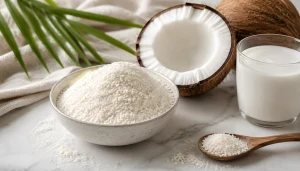
Organic coconut milk for cooking is one of those pantry ingredients that can quietly improve both sweet and savory dishes without much effort. Herbalists, tea makers, and practical home cooks often appreciate ingredients that do more than one job, and coconut milk fits that rhythm beautifully. It softens sharp spices, rounds out earthy roots, and brings a mellow, creamy body to broths, porridges, sauces, and warm drinks. When you keep a shelf-stable form on hand, especially coconut milk powder, it becomes easier to add richness in small, controlled amounts instead of opening a whole can when you only need a spoonful or two.
In traditional kitchen practice, coconut has long been valued for its texture as much as its flavor. It can carry aromatics like vanilla, ginger, cardamom, and cinnamon while still letting gentler notes come through. That makes it especially useful if you like building layered flavor instead of relying on heavy dairy or overly sweet creamers. For tea makers, it also offers a bridge between culinary and beverage work. A coconut base can become a soup, a breakfast bowl, a simmer sauce, or a warm spiced drink depending on how you season it. Used thoughtfully, it adds comfort without making a dish feel weighed down.
Why Coconut Milk Works So Well in the Kitchen
 The beauty of coconut milk in cooking is that it contributes both flavor and structure. It is creamy, but not neutral. It carries a soft tropical note, a gentle sweetness, and a silky mouthfeel that blends especially well with spices, herbs, roots, and floral ingredients. In a savory dish, it can calm heat and bitterness. In a sweeter preparation, it can deepen aroma and make textures feel more complete.
This is one reason herbalists often enjoy organic coconut milk for cooking when working with warm, layered flavors. Coconut can soften the sharper edges of ginger, steady the perfume of vanilla, and give body to ingredients that might otherwise feel thin in a liquid. It is particularly useful in dishes where you want richness without relying on butter, heavy cream, or cheese.
Another advantage is flexibility. A light dilution gives you something closer to a creamy broth. A stronger ratio creates a base suitable for sauces, puddings, and spoonable porridges. That means a single ingredient can support several cooking styles.
For a soft dessert-like finish in porridges or warm cups, try stirring in organic vanilla powder. For a brighter, warming edge in savory dishes, a little organic ginger root can help lift the creaminess.
How to Mix Coconut Milk Powder for Reliable Results
 If you are using powder, accuracy matters. Coconut milk powder is forgiving, but a rough guess can push the final texture too thin or too heavy. Start with warm water, not boiling water, so the powder dissolves smoothly and does not clump on contact.
Here are dependable starting ratios:
Light coconut milk
10 grams coconut milk powder to 120 grams warm water
About 2 teaspoons powder to 1/2 cup water
This works well for light soups, herbal broths, grain cooking, and mild creamy teas.
Medium coconut milk
20 grams coconut milk powder to 120 grams warm water
About 4 teaspoons powder to 1/2 cup water
This is a good all-purpose kitchen ratio for curries, creamy oatmeal, sauces, and vegetable braises.
Rich coconut cream-style base
30 grams coconut milk powder to 120 grams warm water
About 6 teaspoons powder to 1/2 cup water
Use this when you want a thicker finish for puddings, dessert sauces, or dense simmered dishes.
Whisk the powder into the water slowly. A small bowl and a fork work well for home use, while tea makers may prefer a milk frother or small whisk for quick, even blending. Let the mixture sit for 2 to 3 minutes, then whisk again. This brief resting time helps the powder hydrate fully.
Organic coconut milk for cooking is easiest to control when you mix only what you need for a recipe. That keeps texture fresh and reduces waste. For aromatic depth in sweeter kitchen blends, a pinch of cinnamon chips can be simmered into the liquid and strained before serving.
Best Ways to Use Organic Coconut Milk for Cooking
There are many practical ways to use organic coconut milk for cooking without turning every dish into a dessert or a curry. The key is restraint and proportion.
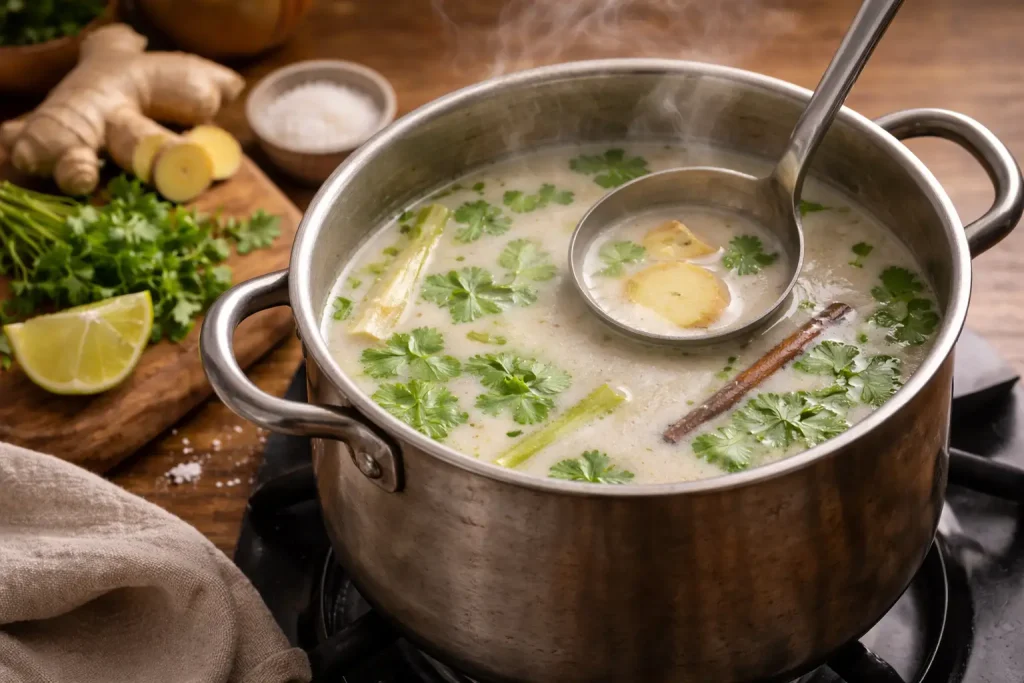
For soups, use a medium dilution and add it near the end of cooking. This keeps the flavor fresh and prevents over-reduction. Coconut works especially well with squash, carrot, sweet potato, and mild legumes. It also supports broths built with ginger, turmeric, or cardamom.
For grains and breakfast bowls, replace part of the cooking liquid with a light or medium coconut mixture. Oats, rice, millet, and chia all take well to a touch of coconut because it softens texture and makes spices bloom more fully.
For sauces, begin with a rich dilution and loosen it as needed. Coconut combines especially well with garlic, ginger, coriander, toasted spices, and vanilla. It can also be used in baked fruit fillings or simple stovetop compotes where you want a softer finish.
For warm beverages, whisk coconut milk into chai-style infusions, cacao drinks, or vanilla-root blends. It can make a cup feel complete without needing much sugar.
In floral blends, keep the hand light. Coconut can bury delicate aromas if used too heavily. A small amount beside chamomile flowers gives a quiet, rounded finish that feels soothing and kitchen-friendly rather than perfumed.
Flavor Pairings That Make Sense
Good coconut cooking depends on pairing, not just richness. Coconut naturally leans sweet, so it does best with ingredients that either echo that warmth or gently contrast it.
Vanilla is the most obvious partner, but also one of the most useful. It extends the creamy impression of coconut and makes simple preparations feel fuller. A spoonful of coconut and vanilla in a pot of oats, rice pudding, or baked pears can transform a plain base into something memorable without much extra work.
Organic coconut milk for cooking also pairs beautifully with warm roots and spices. Ginger adds movement. Cinnamon adds depth. Cardamom adds brightness and lift. Licorice, used carefully, can round the edges and make a blend feel more unified.
For floral or leaf-based notes, subtlety matters. Calendula brings a softly savory, golden tone that works well in broths, rice dishes, and light cream sauces. Mint can freshen richer blends, especially if you are making a cooling summer beverage or a coconut-herb syrup.
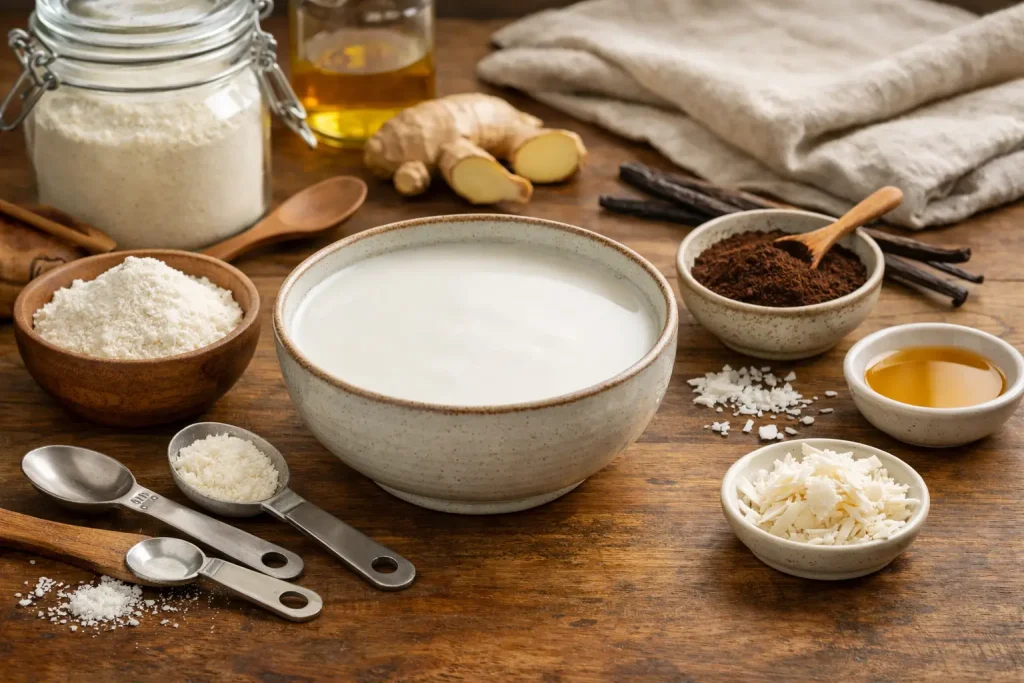
Try adding organic coconut milk powder to warm grain bowls when you want more body. In sweeter preparations, organic vanilla powder is the easiest companion. For spiced cooking, a small amount of cardamom pods or licorice root can create a more layered finish.
A Simple Coconut and Vanilla Kitchen Base
This base is useful because it can move in several directions depending on your needs. It works for breakfast bowls, poached fruit, rice pudding, creamy tea-style drinks, and even a mild dessert sauce.
Base formula
20 grams Organic Coconut Milk Powder
1 to 2 grams Organic Vanilla Powder
120 grams warm water
Pinch of sea salt
In teaspoons, that is roughly:
4 teaspoons coconut milk powder
1/4 to 1/2 teaspoon vanilla powder
1/2 cup warm water
Tiny pinch of salt
Whisk until smooth and let sit for 2 minutes. From there, you can adapt it.
For a breakfast bowl, pour it over oats or millet and simmer 3 to 5 minutes.
For a dessert sauce, reduce it gently over low heat until slightly thickened.
For a warm spiced drink, add a few slices of ginger or a pinch of cinnamon, then strain before serving.
For poached fruit, add pear or apple slices and cook until tender. The vanilla and coconut soften the fruit while making the cooking liquid fragrant enough to spoon over the top.
If you want a brighter aromatic profile, add cardamom pods. If you prefer something more golden and softly savory, a touch of calendula petals can be infused briefly and strained.
Troubleshooting Common Texture and Flavor Problems
Even simple ingredients can behave unpredictably depending on heat, dilution, and storage. Here are the most common problems and practical fixes.
Flat flavor
Usually this means the mixture needs either salt or aroma. Coconut often wakes up with a tiny pinch of salt, a little vanilla, or a warming spice. If a dish still feels dull, reduce it slightly to concentrate flavor.
Too tart
This can happen when coconut is mixed with strongly acidic ingredients too early. Add citrus, tamarind, or fermented elements near the end. A little extra coconut can also rebalance the sharpness.
Over-carbonation
This is more relevant when you use coconut in fermented beverages or sparkling kitchen drinks. Use less sugar, chill fully before opening, and leave enough headspace in the bottle. Open gradually over the sink if you suspect pressure has built up.
Sediment
Powder-based coconut can leave some settling if it is not fully hydrated. Mix with warm water first, rest briefly, then whisk again. In beverages, a quick strain can improve texture.
Aroma loss
Long boiling will flatten delicate notes, especially vanilla and floral ingredients. Add these later in the process, or infuse off heat and strain.
Organic coconut milk for cooking usually behaves best over moderate heat. Gentle simmering preserves aroma and keeps the texture smoother than rapid boiling.
Storage + Quality
Shelf-stable coconut powder is convenient, but it performs best when protected from air and humidity. Once opened, keep it in an airtight container away from heat and steam. A cupboard is better than a shelf above the stove.
Moisture is the main enemy. If the powder begins to cake hard, clump heavily, or smell dull, it may have absorbed too much humidity. Fresh powder should smell sweet, creamy, and distinctly coconut-like. The color should remain pale and even, without gray or darkened patches.
Mixed coconut liquid should be used promptly, especially if it contains vanilla or other delicate aromatics. Refrigerate leftovers in a sealed jar and stir before reuse, since natural separation can happen. For best flavor, use within 24 to 48 hours.
When working with herbs and spices, quality cues matter just as much. Vanilla should smell warm and rounded. Ginger should smell lively, not dusty. Calendula should still look vibrant. If a supporting ingredient is tired, the coconut base will not rescue it.
For pantry blends, keep organic coconut milk powder sealed tightly. For finishing notes, store organic vanilla powder the same way so its aroma stays full and clean.
Safety
Coconut is a food ingredient, but it still deserves thoughtful use. Keep recipes in the culinary lane and avoid making medical claims. If you are writing product descriptions, menus, or educational content, phrase benefits carefully. Herbalists often describe ingredients by taste, tradition, and kitchen function rather than promising outcomes.
When combining coconut with herbs, remember that strong botanicals can dominate quickly. Start small, taste as you go, and work toward balance. This is especially important with licorice, cardamom, and concentrated spice powders.
If serving guests, be mindful of dietary sensitivities and label ingredients clearly. Coconut may be used as a dairy alternative in many kitchens, but it is not neutral in flavor, so it should be introduced intentionally rather than as a hidden substitute.
Organic coconut milk for cooking is best presented as a versatile pantry ingredient that adds body, comfort, and aroma. That language is accurate, useful, and compliant.
Conclusion
Once you begin using organic coconut milk for cooking with a little precision, it becomes one of the most practical ingredients in a working pantry. It can enrich soups without heaviness, soften spice blends, turn simple grains into comforting meals, and support warm drinks with a smooth, rounded finish. Its strength is not just creaminess. It is adaptability.
For tea makers and herbal-minded cooks, that adaptability matters. Coconut invites you to work in layers. Vanilla, ginger, cardamom, calendula, and chamomile all change its expression in different ways. With the right ratio, gentle heat, and good storage habits, you can use it in both everyday meals and more aromatic specialty preparations.
A small spoonful can be enough to change the feel of a dish. That is what makes it worth keeping close at hand.
FAQ
What is the best way to start using organic coconut milk for cooking?
Begin with a medium ratio of 20 grams powder to 120 grams warm water. It is rich enough for most soups, grains, and sauces without feeling too heavy.
Can I use coconut milk powder instead of canned coconut milk?
Yes. It is often more flexible because you can mix only the amount you need and adjust thickness more precisely.
Does vanilla work well with savory coconut dishes?
In tiny amounts, yes. It can round the flavor quietly. Keep it subtle so the dish stays savory rather than sweet.
Why does my coconut mixture feel grainy?
It usually needs better hydration. Whisk with warm water, let it rest for 2 to 3 minutes, then whisk again.
Can I use coconut milk in herbal drinks?
Yes. It works especially well with vanilla, ginger, cinnamon, and cardamom, and it can soften sharper herbal edges.
How long does mixed coconut milk keep?
Store it sealed in the refrigerator and use it within 24 to 48 hours for the best flavor and texture.
What herbs pair gently with coconut?
Chamomile, calendula, and mild mint can all pair well when used lightly. Stronger roots and spices should be added with restraint.
Is organic coconut milk for cooking only for sweet recipes?
No. It is excellent in savory soups, broths, rice dishes, and spice-based sauces as well as breakfast bowls and desserts.